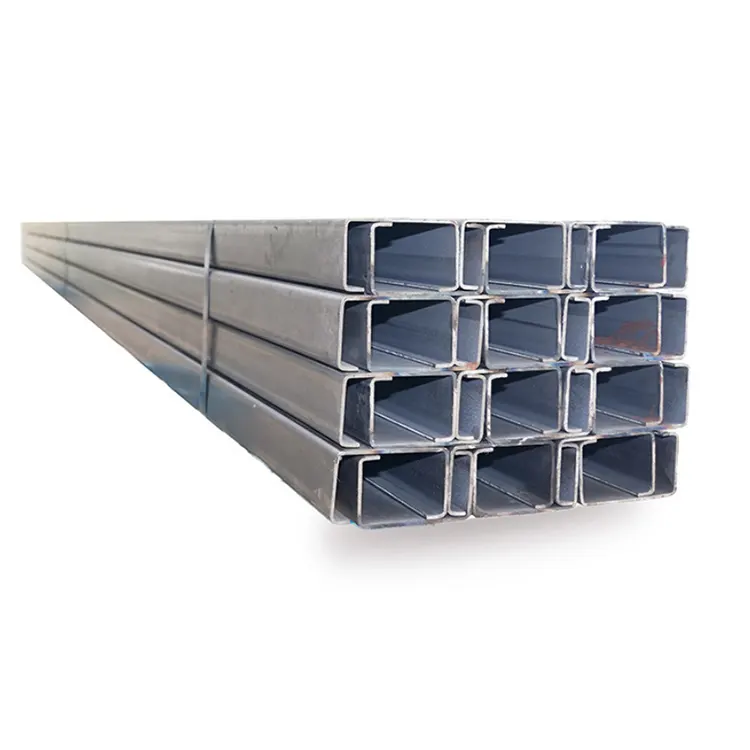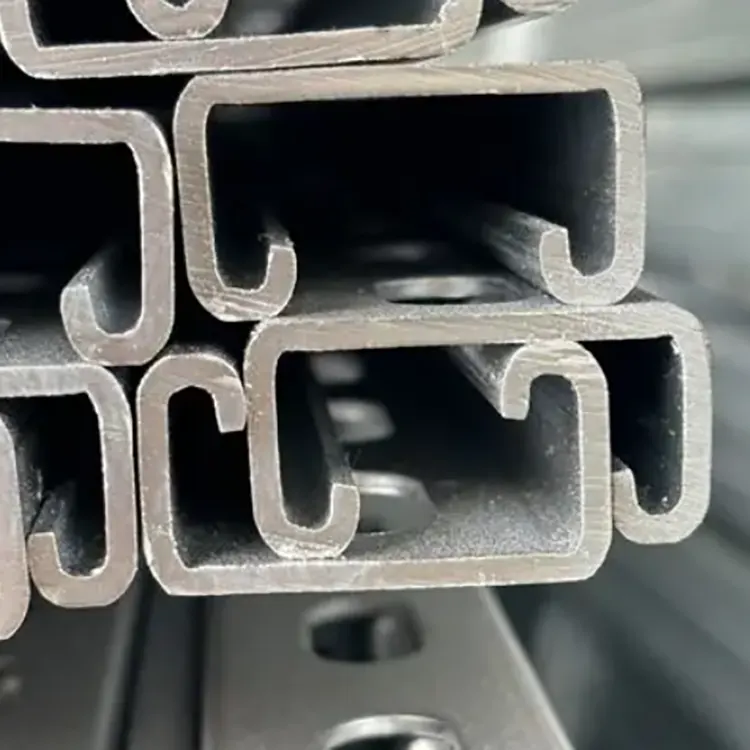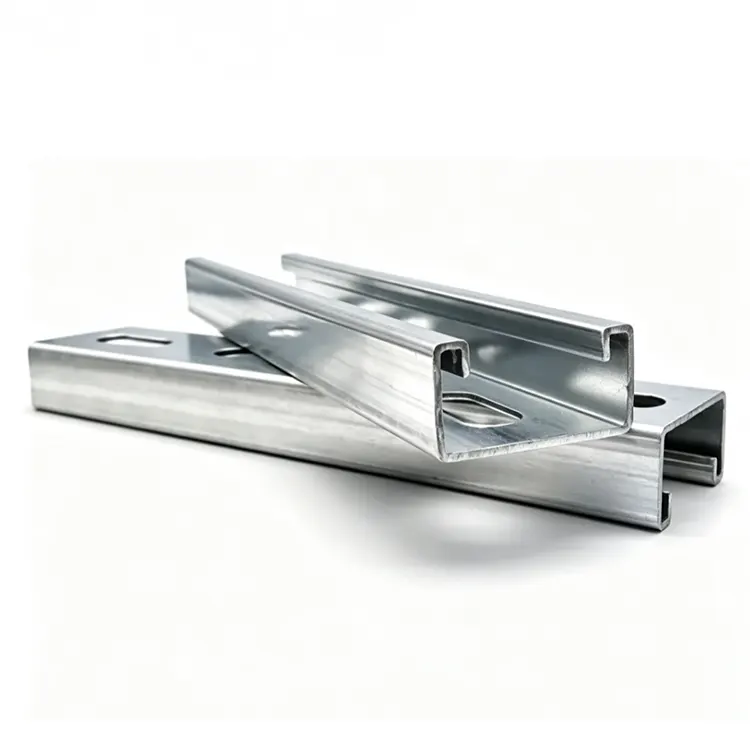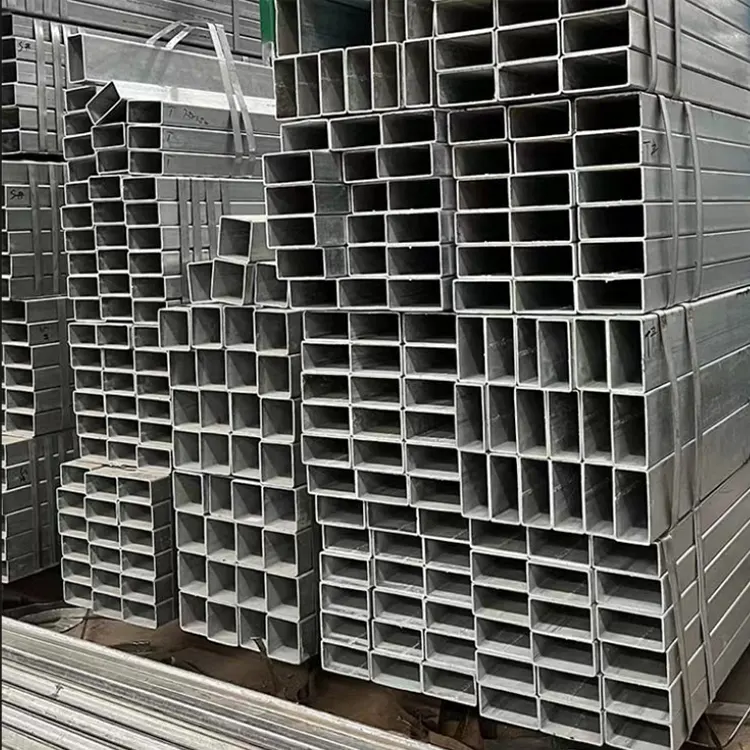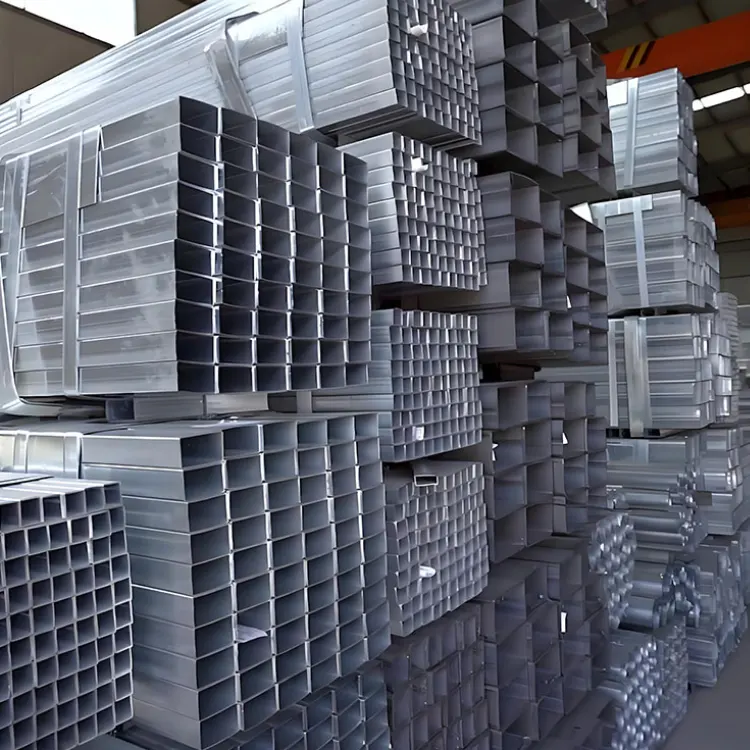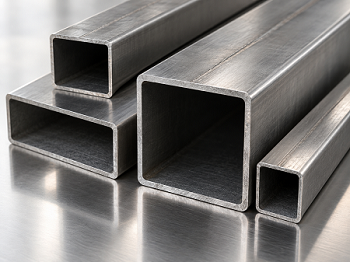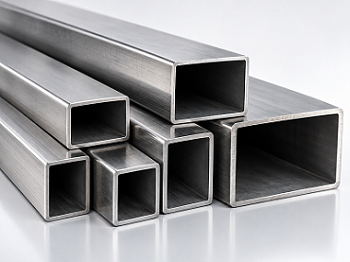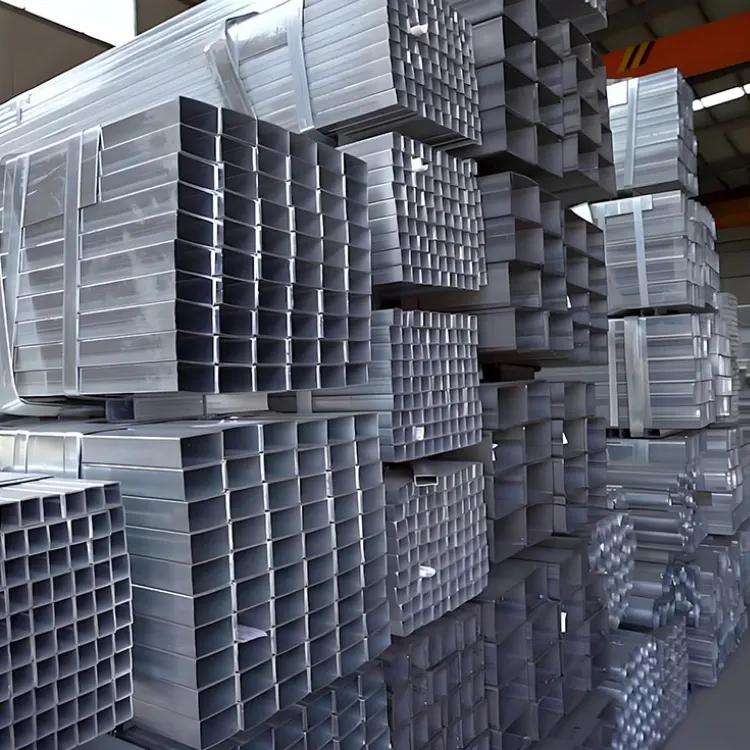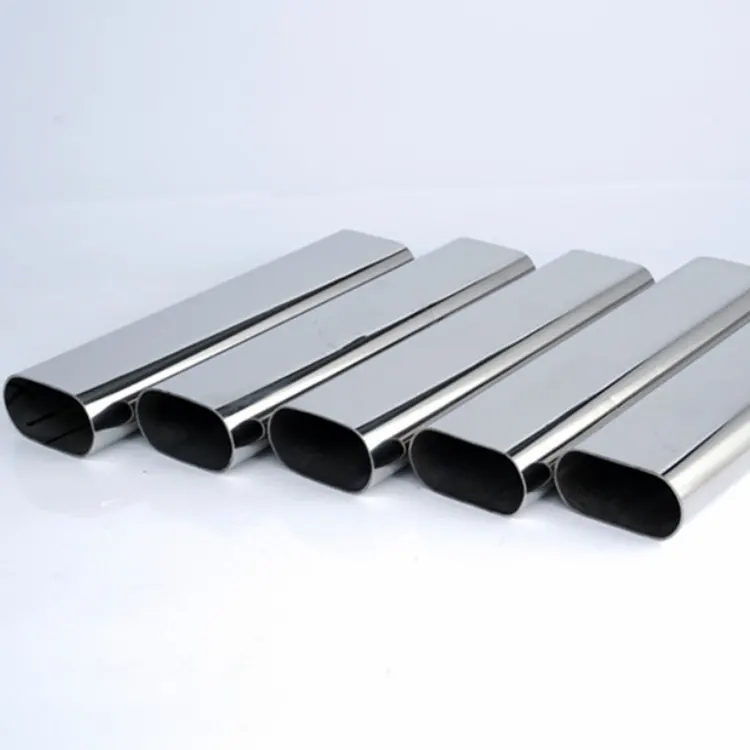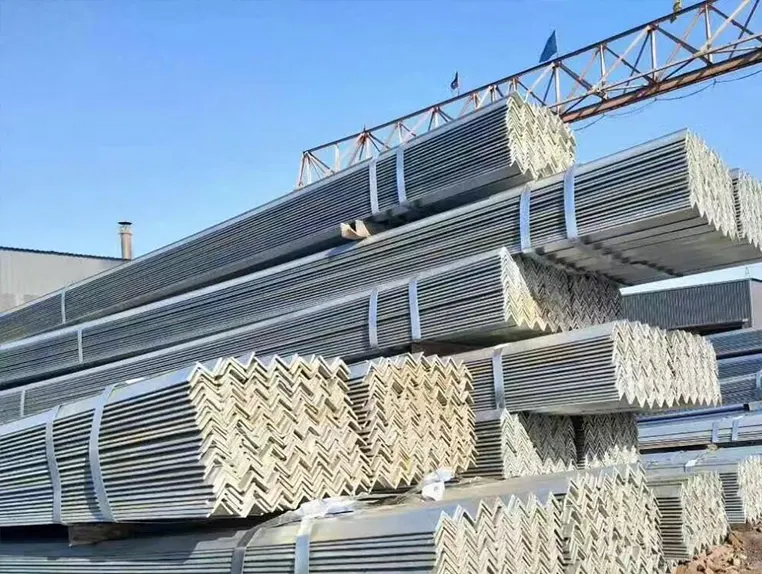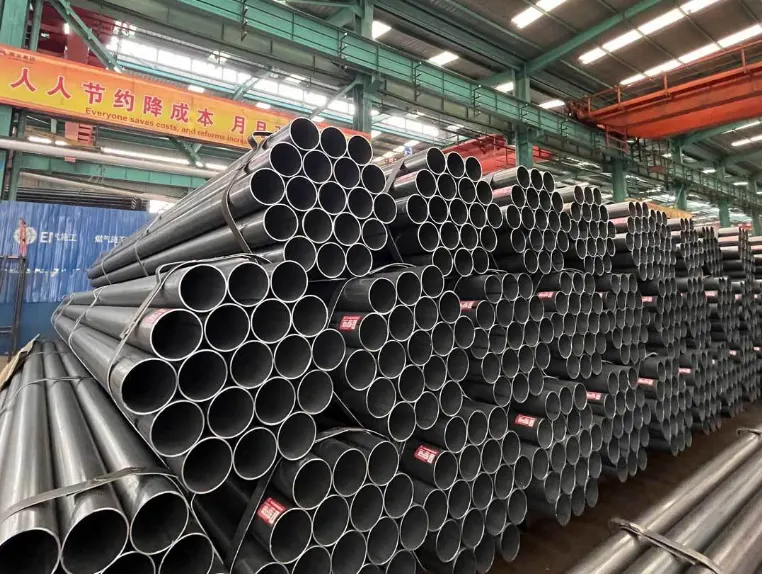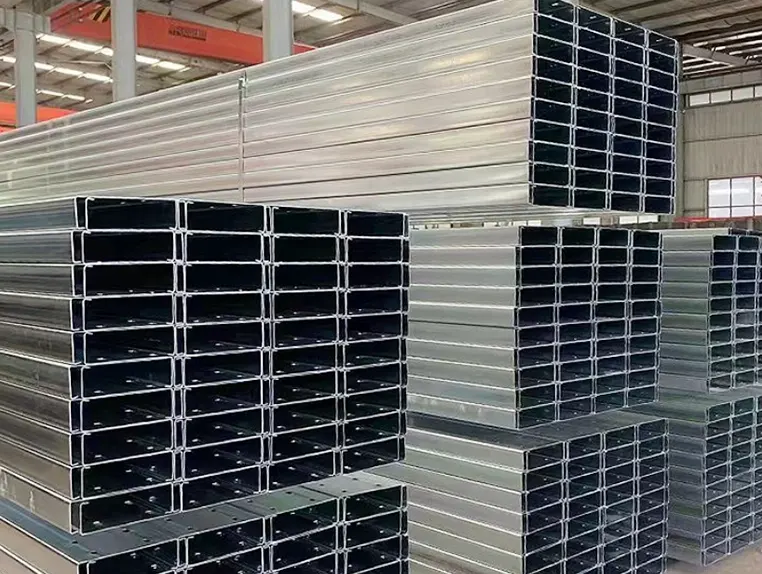
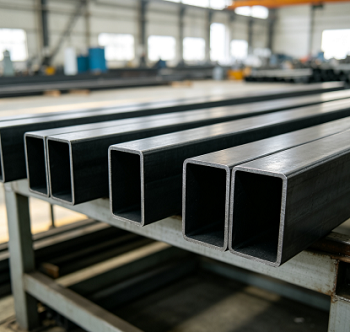
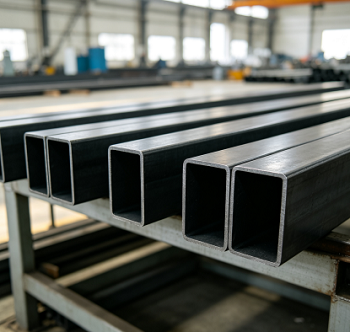
Cold drawing is the slowest method for producing square tubes, yet it is often the only way to ensure machinists do not need to cut new stock. The process of cold-drawn square and rectangular tubes begins with a round tube blank—either hot-rolled seamless or high-frequency welded (HFW). Material selection is the first priority, as the number of drawing passes depends on the steel's ductility—specifically, how much it can be stretched before cracking.
The tube blank is annealed first. Cold drawing causes work hardening; starting with a soft, stress-free blank ensures the cross-section can be drawn down over multiple passes without the corners cracking.
Mill scale is removed via acid pickling, followed by the application of phosphate and soap-based lubricant films. Without these layers, friction between the steel and the die would tear the surface and accelerate die wear.
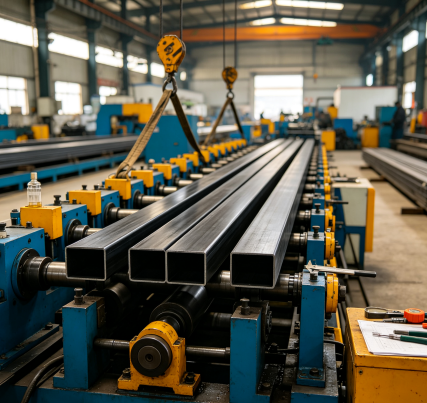
The end ofcold-drawn square and rectangular tubes is swaged (reduced in diameter) to fit through the die. It is then drawn through a square or rectangular die containing an internal mandrel—a critical component that prevents the tube walls from collapsing and the inner bore from becoming off-center.
Each pass typically reduces the cross-sectional area by 10% to 20%; exceeding this limit risks cracking the corners. Intermediate annealing is required to restore plasticity, which explains why tight-tolerance profiles often require two to four drawing passes and a production cycle spanning several weeks.
The finished tube undergoes multi-roll straightening, cut-to-length processing, and end deburring. If drawing is the final forming step, stress-relief annealing follows. Finally, each tube is measured, oiled, and bundled.
If it is simply to be cut and welded into a frame, standard precision is usually sufficient—money is better spent on wall thickness. However, if the tube requires machining, serves as a guide surface, or must mate with a machined flat surface, specify high-precision tolerances.
"Hard-drawn" offers the highest strength and lowest cost, as it eliminates the final annealing step. Annealing restores ductility, making the material suitable for bending, flattening, or extensive machining. Normalizing produces a uniform microstructure, ideal for parts that are welded first and subjected to loads later.
Many buyers default to Grade 20# steel and simply increase the wall thickness. Switching from 20# to 45# raises the yield strength from 245 MPa to 335 MPa; this often allows for a reduction in wall thickness, with the weight savings offsetting the difference in material cost.
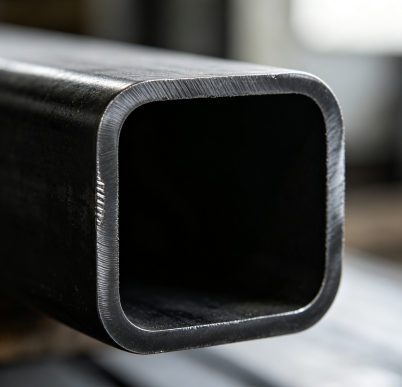
The radius of cold-drawn square and rectangular tubes increases with wall thickness—for wall thicknesses (S) ≤ 6 mm, the corner radius can be kept within 2.0S, whereas for 6–10 mm, it becomes 2.5S. If a small corner radius is mandatory, the wall thickness must remain within a thinner range; if a radius specified in the drawing is not technically feasible, we will inform you directly.
The dimension that determines assembly success—whether it is the inner bore, side length, or diagonal—should be the one we control most strictly; please mark it on the drawing when sending it to us.
Gantry crossbeams, linear guide mounts, robot bases, and workbench frames typically use sizes ranging from 50×50 to 120×120 mm, with materials commonly being 20# or Q345. Straightness and side-length tolerances directly determine whether guide rails remain parallel after installation; consequently, these orders usually require high-precision specifications.
Tie-rod spacers, valve block supports, and power unit frames utilize tubing sized 40×40 to 100×100 mm. Here, both the inner bore and wall thickness are functional dimensions, so we employ mandrel drawing rather than hollow sinking (diameter reduction without a mandrel).
Components such as roller shafts, slats, tension arms, and doctor blade holders typically range from 30×30 to 80×80 mm and often use 45# steel, as shaft journals must be machined to withstand continuous operation. These parts are typically ordered in an annealed state; the customer performs the machining and then hardens them.
Seat frames, roof racks, subframe components, and tow bars (sizes 25×25 to 60×60 mm; materials Q235 or Q345). Key factors here are weldability and maintaining uniform wall thickness at welded bracket locations.
Metal furniture, medical, and fitness equipment: Hospital bed frames, adjustable seats, fitness equipment frames, and telescopic handles (sizes 20×20 to 50×50 mm; wall thickness 1.0 to 2.0 mm). Wall thickness uniformity is crucial here because these parts are usually powder-coated; any step in wall thickness would show through the coating.
Railing posts, handrail profiles, curtain wall framing, and elevator car frames—using cold-drawn square and rectangular tubes where the corner radius is an integral part of the design.
Most buyers compare these three options. The right choice depends on which specific material property is most critical for your assembly's performance.
| Property | Cold-drawn (GB/T 3094-2012) | Cold-formed / roll-formed | Hot-finished hollow section |
| Side tolerance | +/-0.20 to +/-0.30 mm at high grade | About +/-1% of side | About +/-1% of side |
| Wall tolerance | +/-10% S or tighter at high grade | +/-10% S typical | +/-10% S typical |
| Corner radius | Set by the die, 2.0 S at thin wall | 2t to 3t from the forming rolls | Larger, less controlled |
| Surface | Burnished, pickled, smooth | Mill finish, light roll marks | Scaled, rougher |
| Strength | Raised by cold work through the wall | Raised only at the corners | As-rolled |
| Custom section | Needs a dedicated die | Needs a pass change | Needs a new roll set |
| Economic size range | Small to medium, thin to medium wall | Medium to large, long runs | Large, structural |
| Unit cost | Highest | Lowest | Middle |
Our facility is located in Daqiuzhuang, Tianjin, where tube blanking, pickling, drawing, heat treatment, and galvanizing are all available within a few kilometers. We can switch production to new specifications in days rather than weeks. We quote even small orders—there is no minimum order quantity (MOQ)—and trial orders follow the same production process as mass production. Documentation accompanies the shipment; every batch includes a material certificate (listing heat number, chemical composition, and mechanical properties) as well as our own dimensional and surface inspection records. If a project requires third-party inspection, simply inform us of the standards and the inspection agency when confirming the order, and we will arrange the inspection according to the required sampling plan.
A: For outdoor applications, we offer hot-dip galvanizing, standard galvanizing, or powder coating. Please tell us the operating environment—such as underground, marine, fertilizer contact, or wash-down areas—and we will select the appropriate coating.
A: In accordance with GB/T 3094-2012, we cold-draw grades 10#, 20#, 35#, 45#, Q195, Q215, Q235 (B, C, D), and Q345 (B, C, D, E). Delivery conditions include hard-drawn, annealed, or normalized.
A: Standard precision is usually sufficient for parts that are simply cut to length and welded into a frame. Specify high precision if the parts require machining, serve as guide surfaces, or are bolted to machined flat surfaces. The difference is significant: for a side length of 50 mm, it is ±0.40 mm vs. ±0.30 mm; for 100 mm, it is ±1% vs. ±0.8%. Please include the grade in your inquiry, and we will confirm it in the order.
A: Non-standard square tubes require specialized dies, and the cost of these dies must be covered by the order; therefore, rather than quoting a fixed minimum order quantity (MOQ), we require a reasonable order volume.
A: Cold-drawn square and rectangular tubes are supplied in a pickled, phosphated, and lightly oiled state, which is ideal for machining and painting.
A: These parameters are determined by the die and mandrel, not by the machine operator. The mandrel stabilizes the inner bore—crucial for uniform wall thickness—while the die's corner profile determines the radius. Measurements are taken at every pass, and finished products are verified against GB/T 3094-2012 standards for side length, wall thickness, side concavity/convexity, corner radius, and straightness; records are maintained by heat number.
Address
S213 Jinghai District, Tianjin City, China
Tel