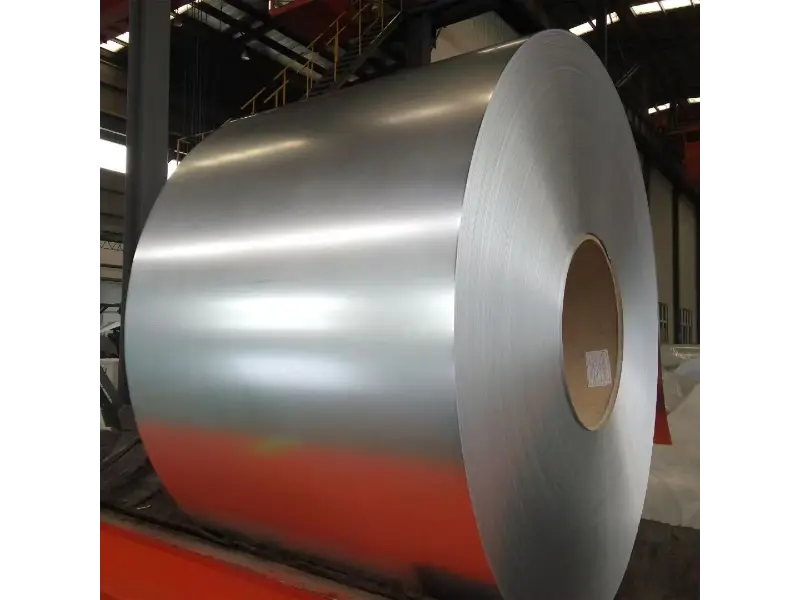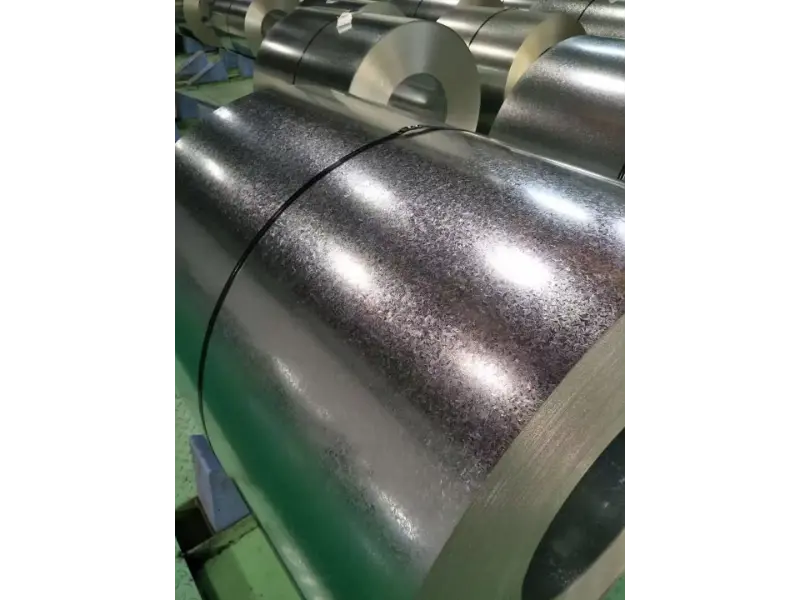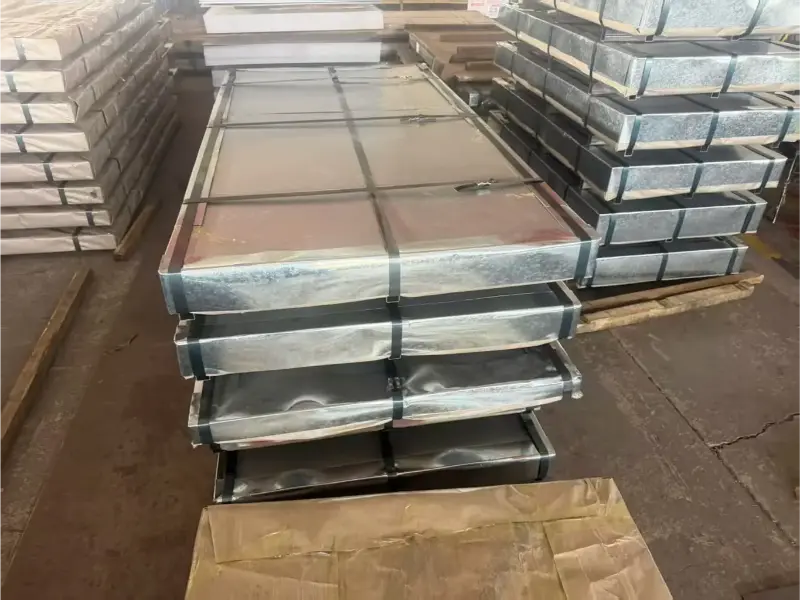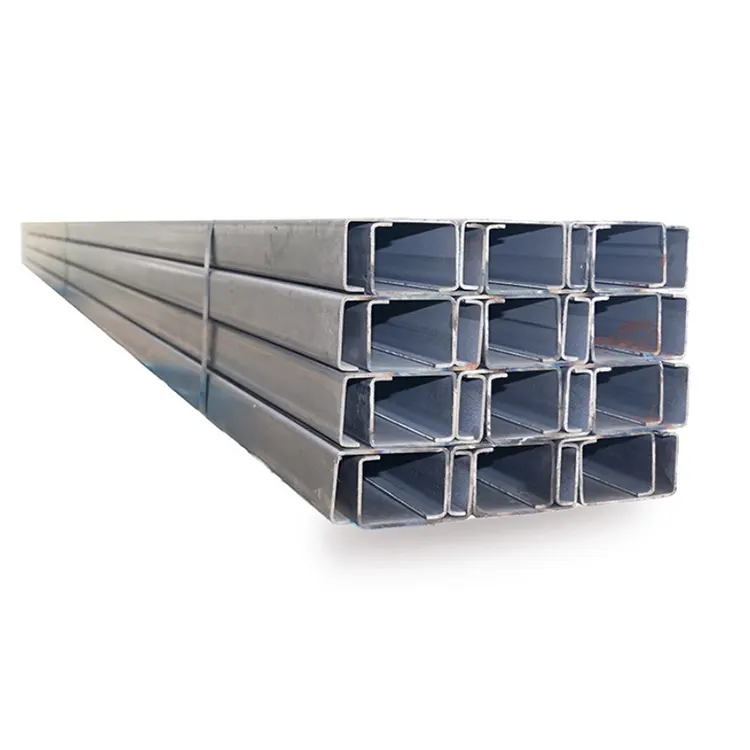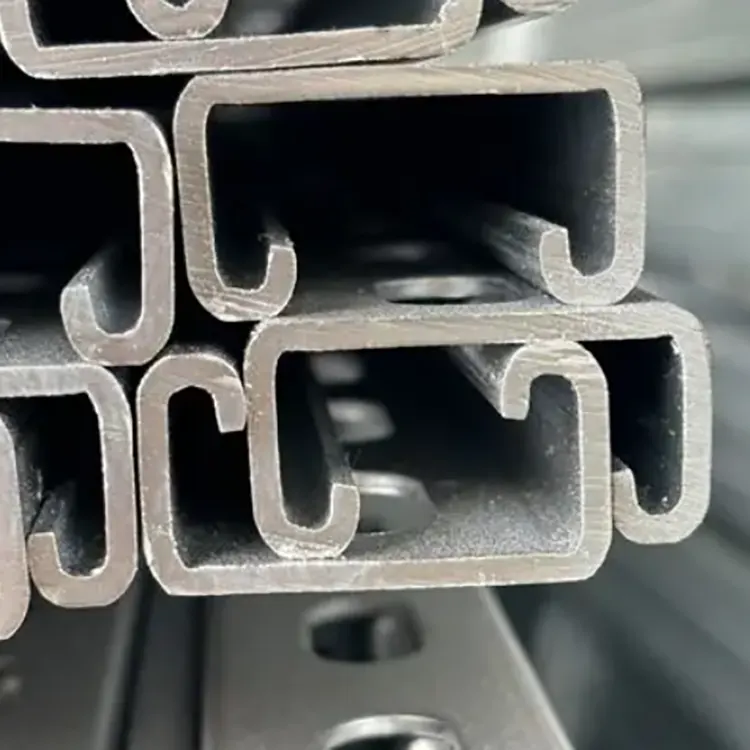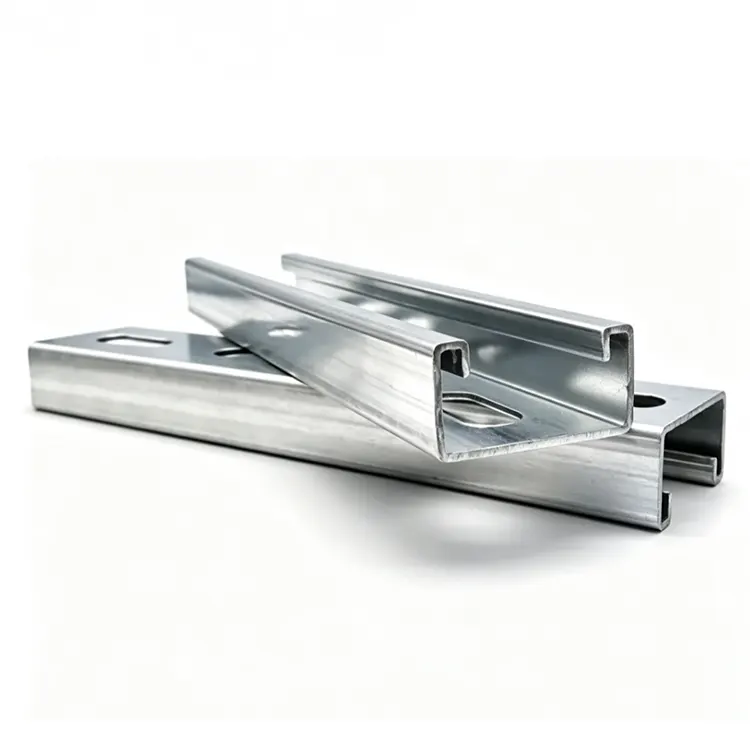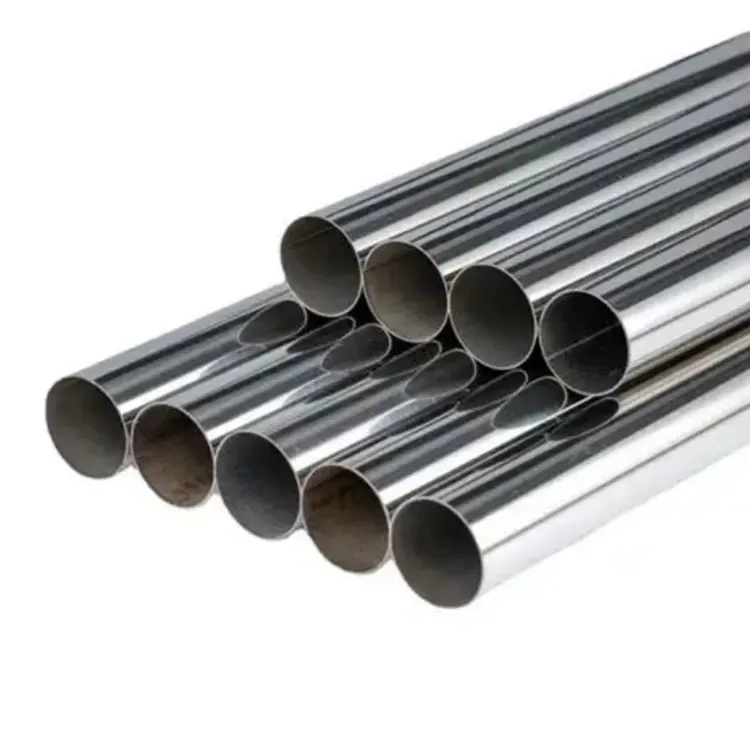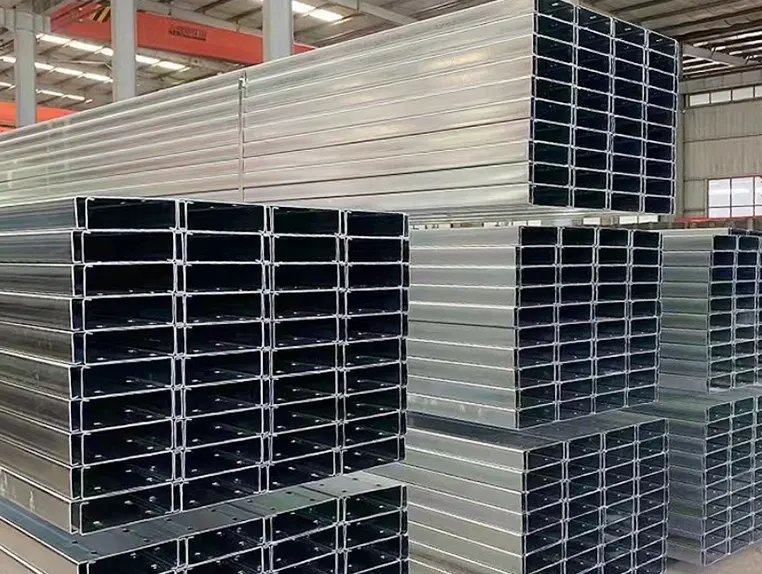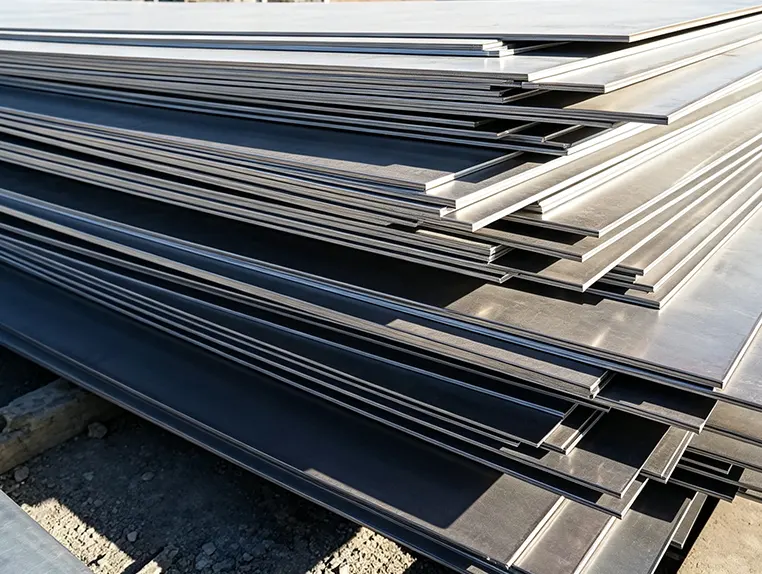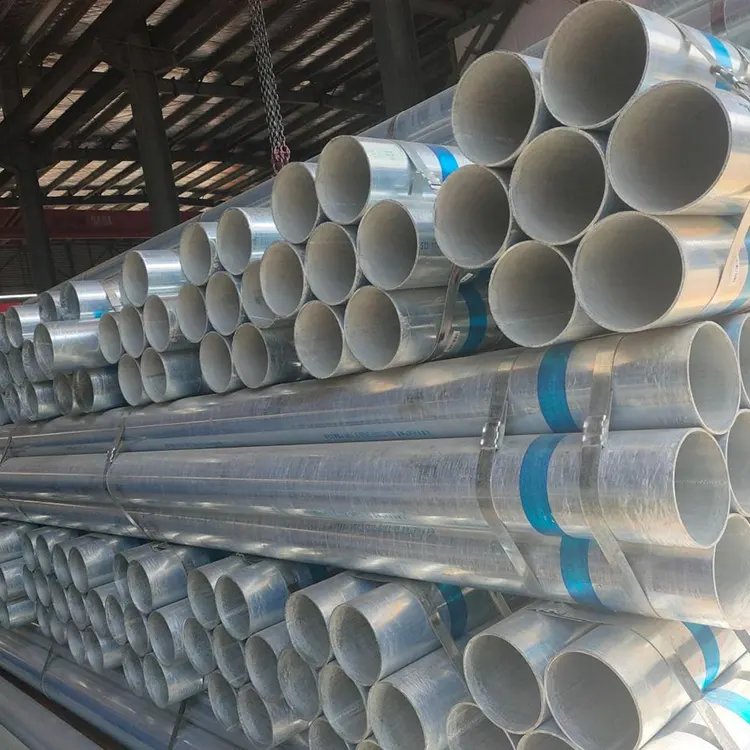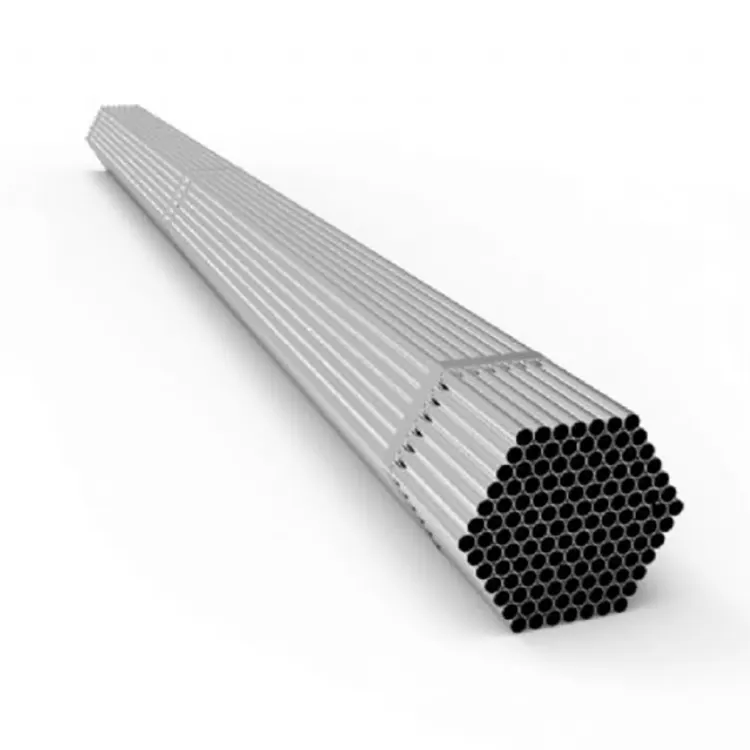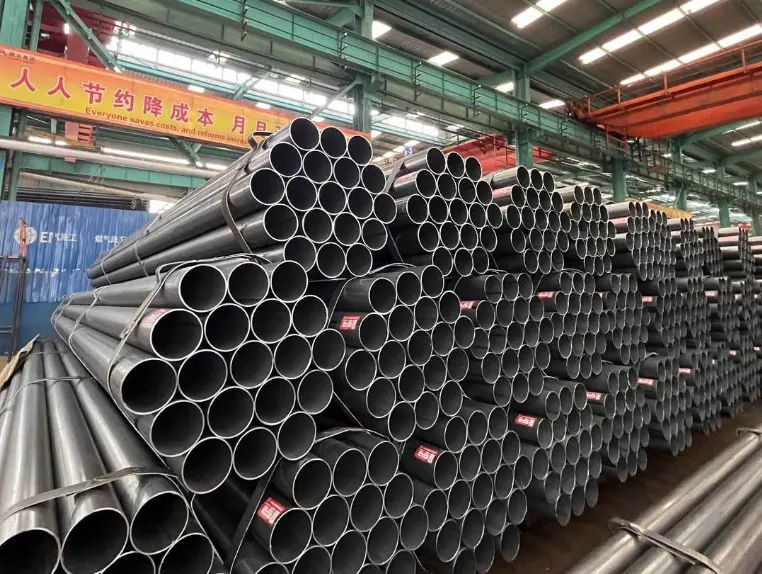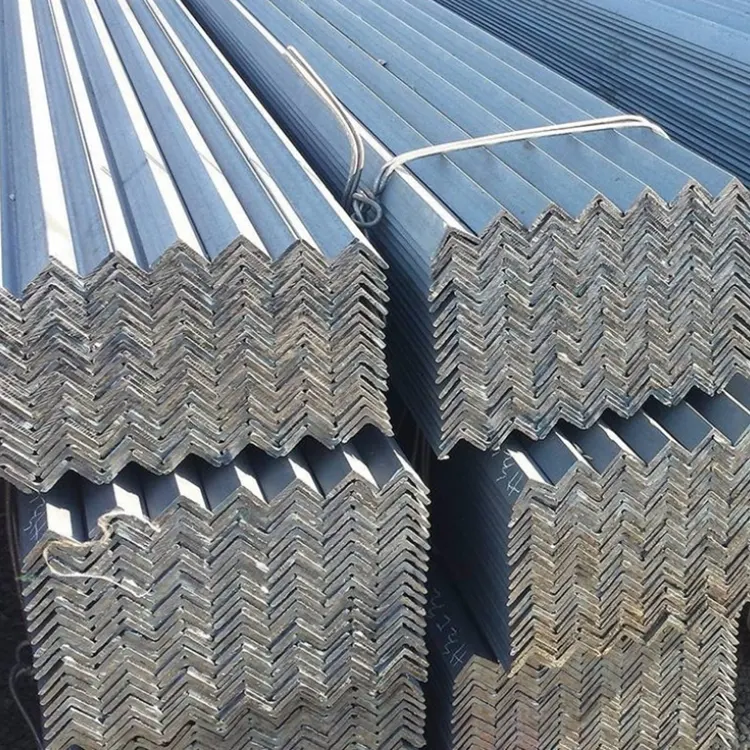
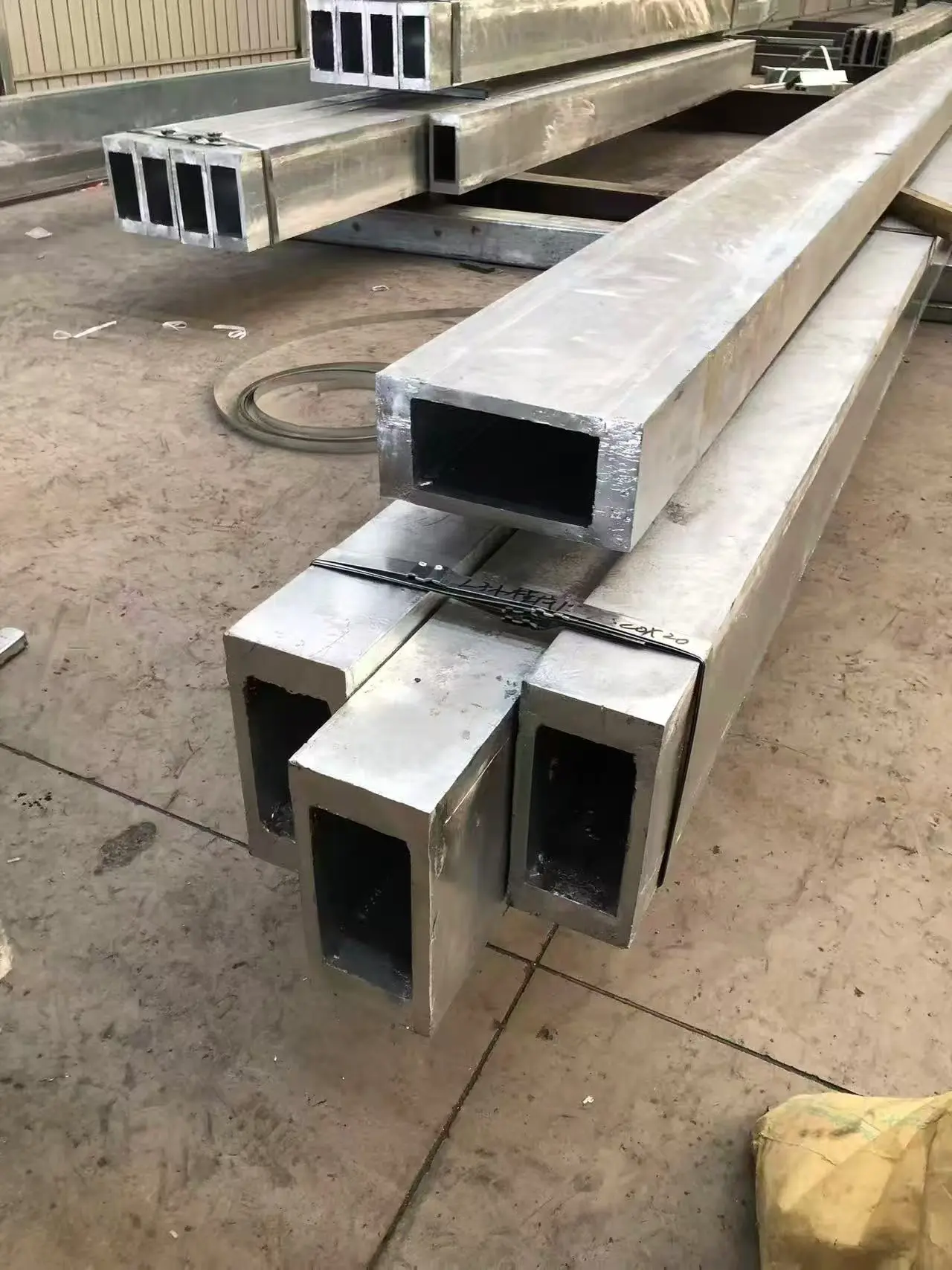
"Precision steel profile" refers to high-end, cold-formed steel profiles manufactured from base materials such as Q235B, Q355B, or 304 stainless steel. These profiles undergo a rigorous multi-step production process, including precision forming, cold-bending, laser welding, CNC straightening, weld grinding, and high-precision surface finishing. Characterized by extremely small corner radii (approaching a true 90° angle), a smooth, refined surface, and seamless, polished welds, these profiles serve both structural and decorative purposes. They can function as load-bearing mullions or transoms for curtain walls, or remain exposed as architectural design elements.
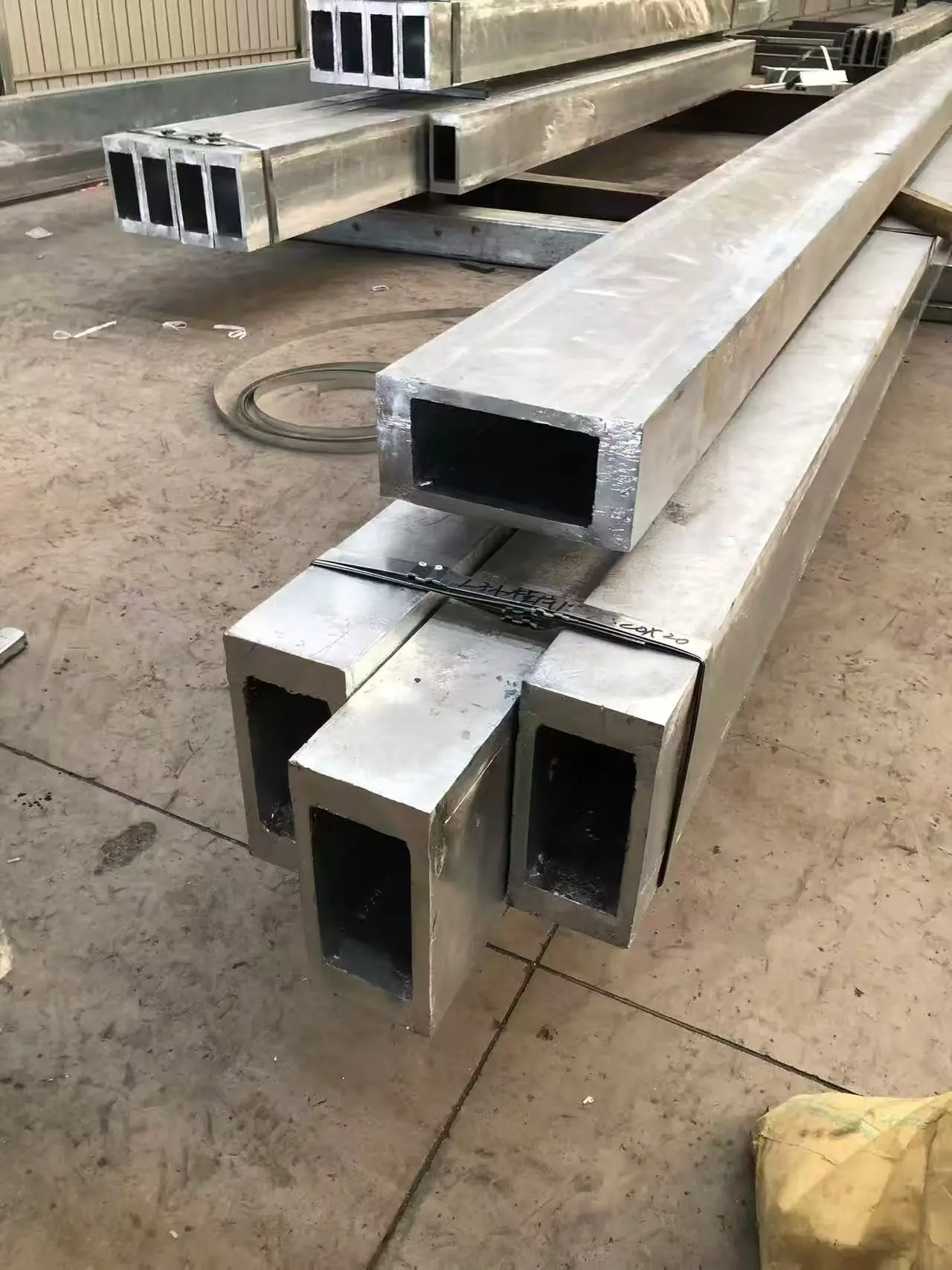
As a high-end precision profile designed specifically for architecture, precision steel profile offers significant advantages over traditional aluminum profiles or standard rectangular steel tubing. It delivers comprehensive benefits across structural safety, design realization, project costs, and long-term maintenance. Its core value is defined by three key aspects:
For a given cross-sectional dimension, precision steel offers a significantly higher load-bearing capacity than aluminum, allowing for narrower structural members while still meeting all load-bearing requirements. Steel possesses superior inherent fire resistance—retaining its structural strength longer than aluminum when exposed to high temperatures—making it an ideal choice for curtain walls and skylights that require high fire-rating standards. This enhances the structural safety margin of the building envelope and reduces the risk of structural collapse in the event of a fire.
With precisely controlled corner radii—resulting in sharp, near-90° edges—and meticulously ground, seamless welds, these profiles can be left exposed without the need for additional cladding or concealment. Designers can utilize slender structural elements to maximize the visible glass area and improve natural daylighting. This facilitates the realization of popular minimalist and "light luxury" architectural styles, overcoming the design limitations—such as the bulky appearance of traditional steel structures or the cross-sectional constraints of aluminum—to bring creative architectural visions to life.
Precision steel profile components are prefabricated in a factory setting, allowing for pre-cutting to specific lengths, drilling, and other preparatory processing. This minimizes the need for on-site cutting, grinding, and welding, significantly shortening the construction period and reducing on-site labor costs. These profiles can be treated with various anti-corrosion coatings, offering excellent weather resistance and durability; they are highly resistant to rust and fading, even with long-term outdoor use, which results in less frequent maintenance and lower long-term operational costs. Furthermore, the ability to customize based on technical drawings helps resolve discrepancies between design plans and on-site construction, thereby reducing additional expenses caused by project changes.
When requesting a quote for the first time, many clients make the mistake of putting the cart before the horse—starting by specifying the dimensions of the tubing. In reality, these dimensions are the final result of calculations, not the starting point for selection.
Start by measuring the mating surfaces of precision steel profile—such as those for pistons, bearings, or other components that the tubing will interface with. Determine the required tolerances based on these reference points; the final tubing dimensions should be derived from these measurements and calculations. Attempting to force-fit existing, off-the-shelf specifications often leads to designs that may appear compliant on paper but prove impossible to manufacture during actual machining.
When manufacturing cylinder barrels, the primary focus for precision steel profile control should be the inner bore, while requirements for the outer diameter can be more relaxed. For bearing seats, the outer diameter is the critical dimension to control. For welded frames, the focus should be on side lengths and the prevention of torsional deformation. Applying high-precision requirements to every single dimension will only inflate procurement costs without providing a corresponding improvement in part quality.
If the entire component requires turning (lathe work), you can opt for raw materials with wider tolerance ranges, as the turning process itself will eliminate initial material deviations. Specifying the machining allowance (the amount of material to be removed) in your request for quotation is a crucial detail.
Clearly state the intended clamping method for machining—such as using a collet, a three-jaw chuck, soft jaws, an expanding mandrel, or specialized custom fixtures. Different clamping methods accommodate different pipe wall thicknesses. For a given outer diameter, the choice between a 2mm and a 4mm wall thickness depends largely on the clamping method used.
Quotations for precision steel profile are based on the standards indicated in the drawings; different sub-standards within the EN 10305 series cannot be interchanged. "E235" is merely a material grade, not a product standard; the sub-standard number indicates the specific production process route, so you must ensure the process route aligns with your fabrication steps.
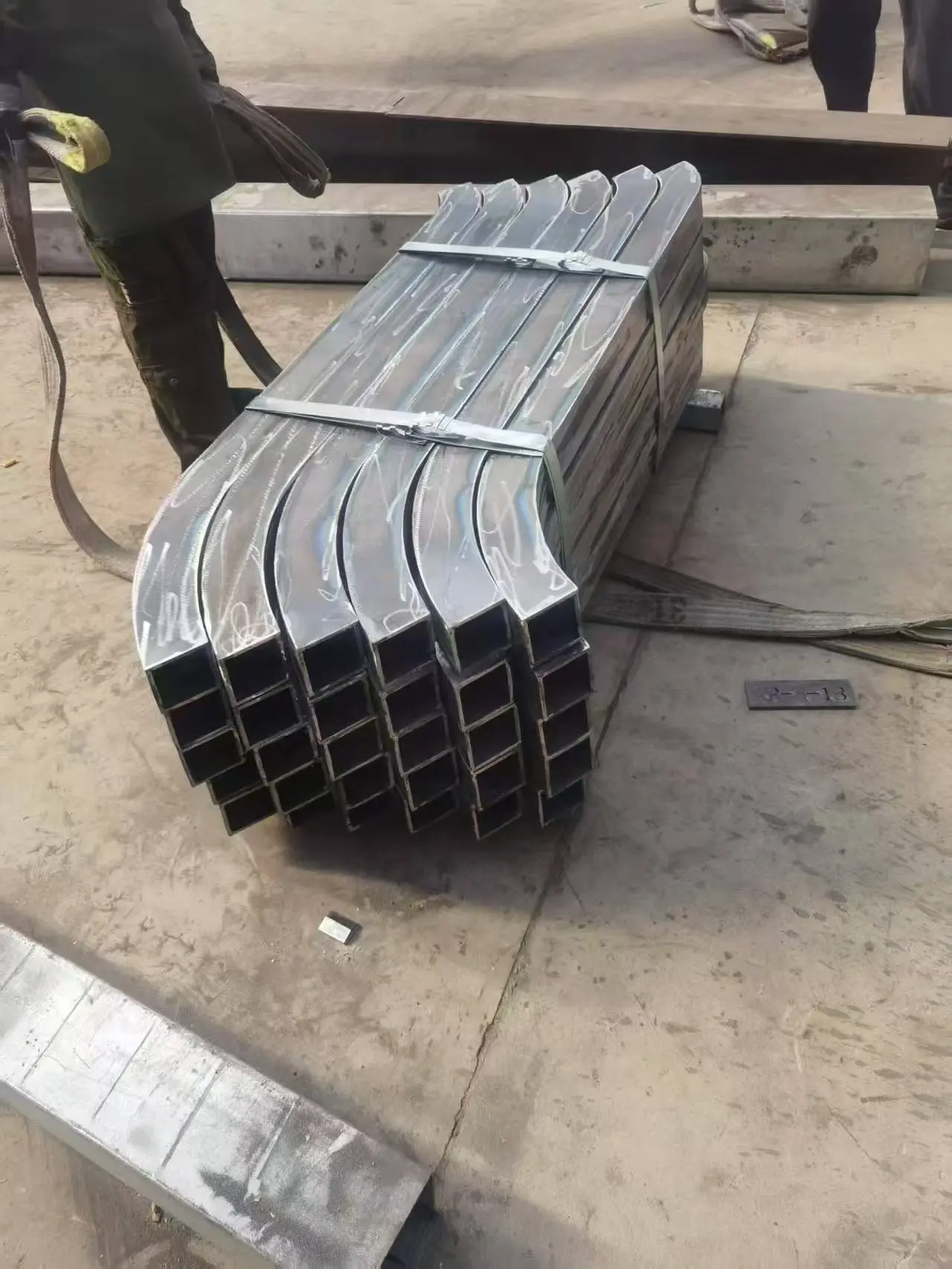
Shixinda offers end-to-end customization services for precision steel profile based on client construction drawings. We support the development of non-standard cross-sections and can adjust profile wall thicknesses and corner radii (R-values) to meet design specifications. Services include cut-to-length processing, hole punching, and pre-fabrication. A variety of anti-corrosion surface coating options are available to suit indoor, outdoor, and highly corrosive coastal environments. We provide material certificates and samples, collaborating on initial project testing and sample approval prior to mass production. We offer flexible order handling—accommodating both small-batch trials and large-scale project orders—and can coordinate production schedules to align with project timelines.
A: Standard tubes have visible weld seams, large corner radii, and rough surfaces, making them generally unsuitable for exposed applications. In contrast, precision steel profile features seamless, ground welds, sharp right-angle corners, and high dimensional accuracy, allowing it to be used directly as exposed decorative components in curtain walls.
A: Yes. At the same dimensions, precision steel offers higher strength, allows for slimmer cross-sections, and provides superior fire resistance. While slightly heavier than aluminum, it is ideal for projects prioritizing transparency and high fire-safety standards.
A: Custom colors are available for both powder coating and fluorocarbon (PVDF) coating. Hot-dip galvanizing and Zinc-Aluminum-Magnesium coatings retain their natural metallic finish; while offering excellent corrosion resistance, they have limited color options.
A: We recommend fluorocarbon coating or a zinc-aluminum-magnesium treatment; both offer superior salt-spray resistance, effectively mitigating corrosion caused by sea breezes.
A: Small-batch orders are available for standard specifications. For custom, non-standard profiles requiring new molds, a minimum order quantity applies—we can provide a specific figure based on your technical drawings.
A: Standard in-stock items are typically delivered within 7 days. For custom profiles or orders requiring coating, the lead time is generally 15–25 days, depending on the total order volume.