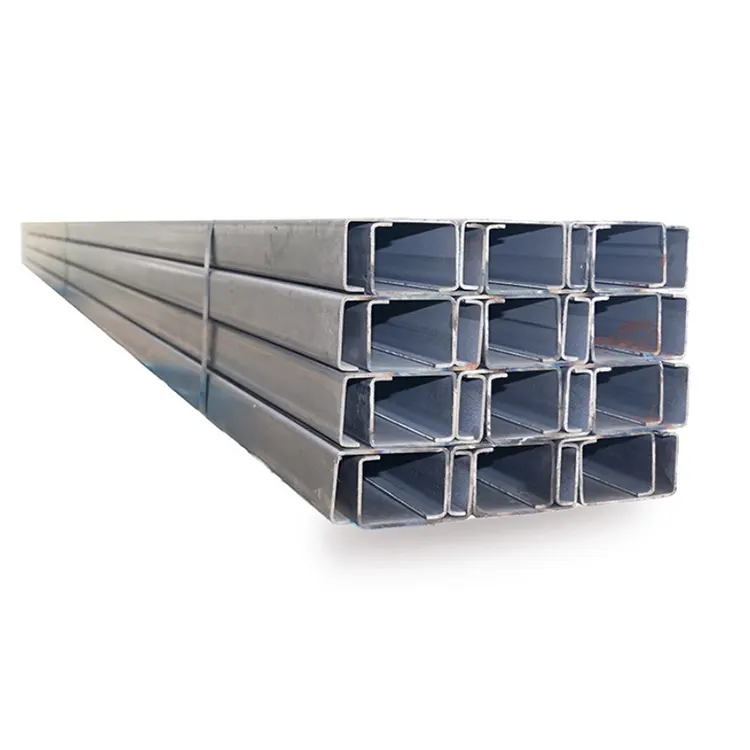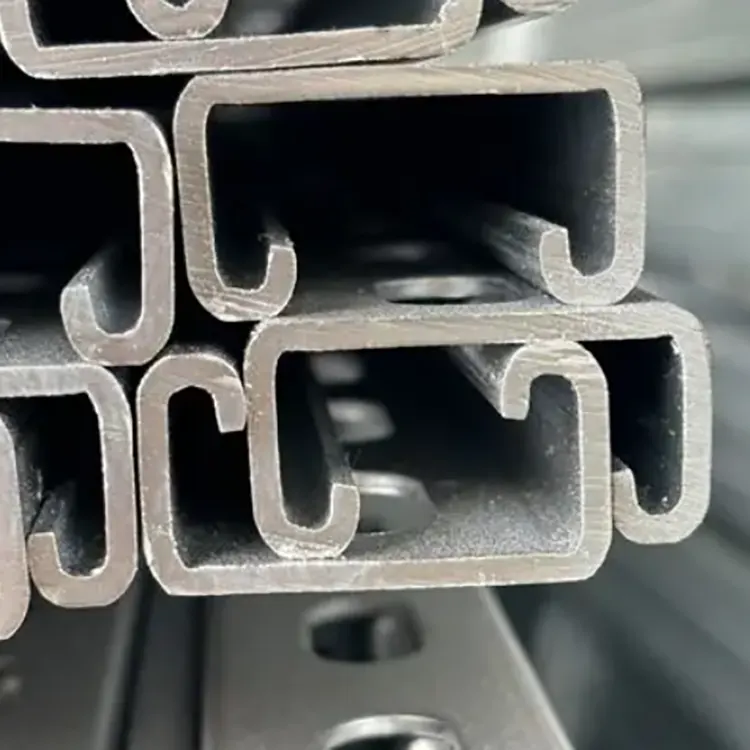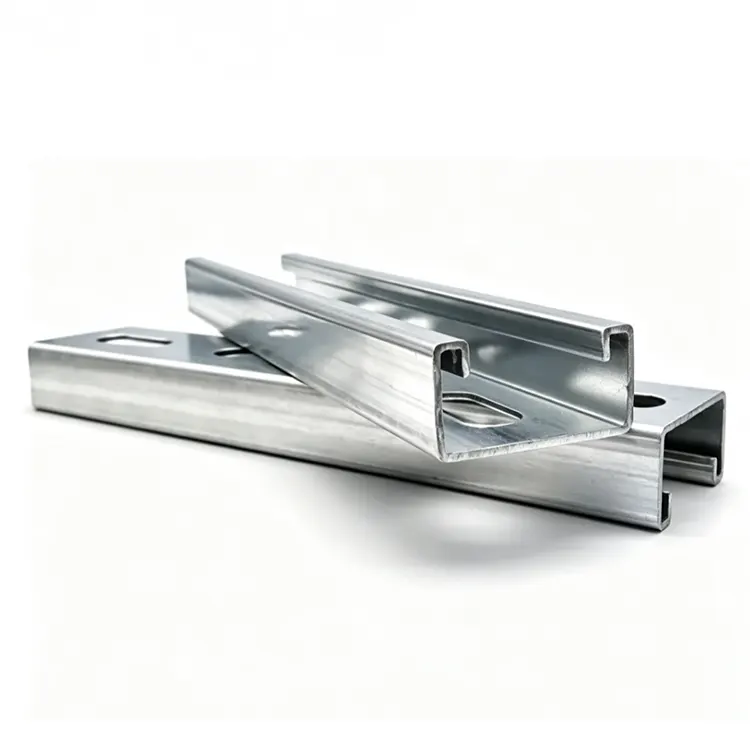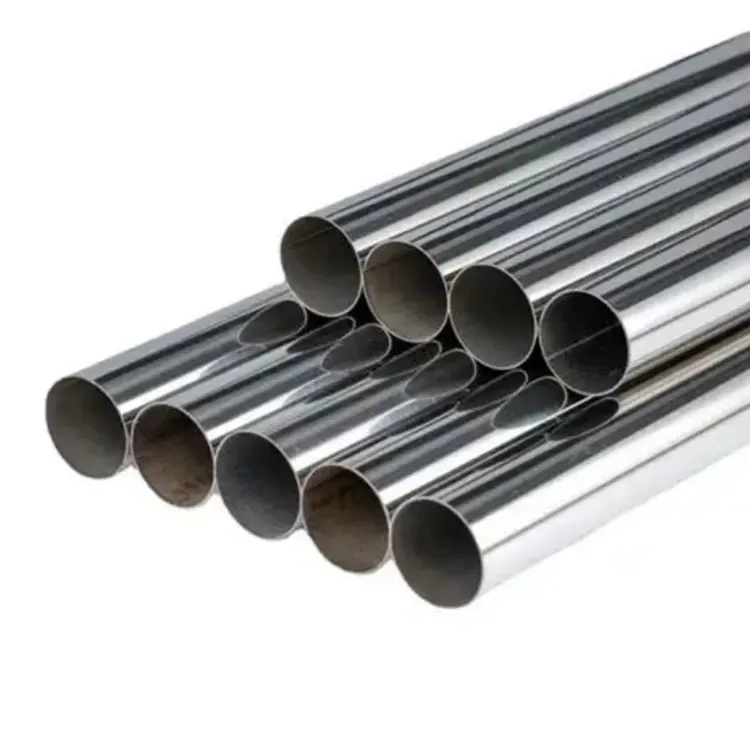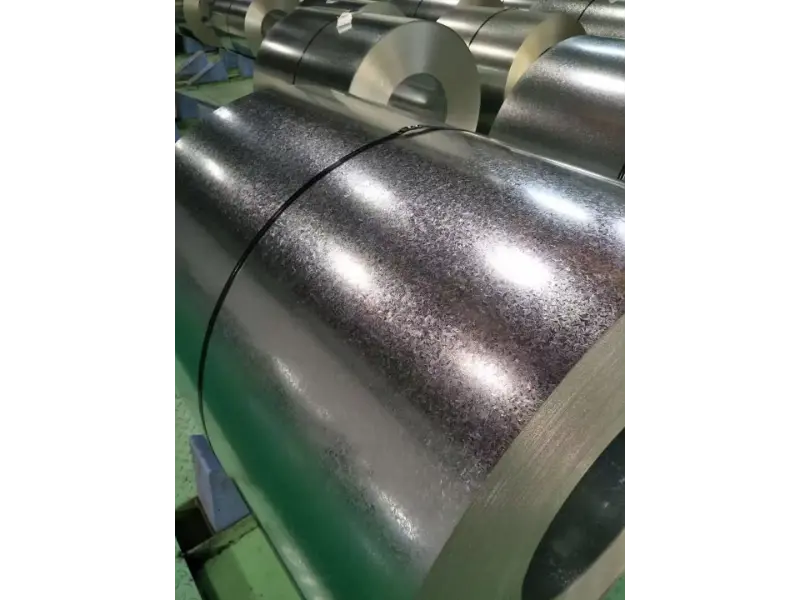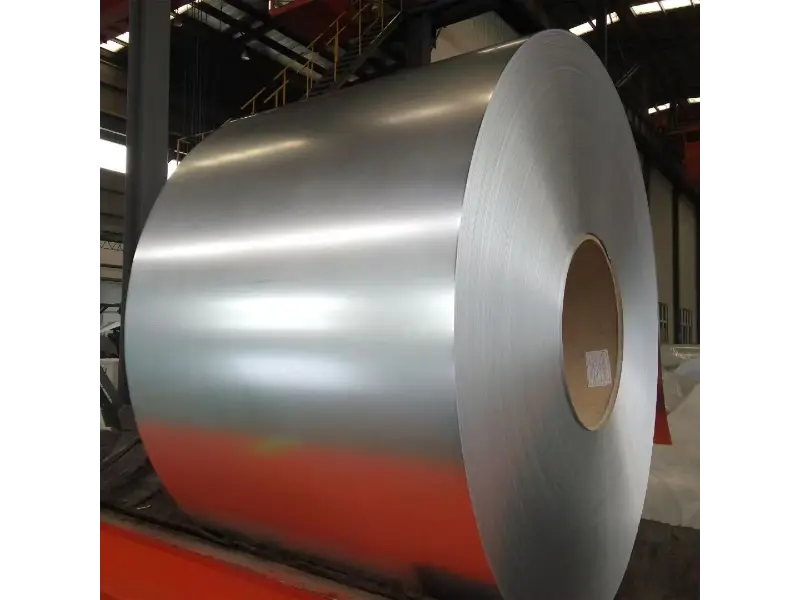
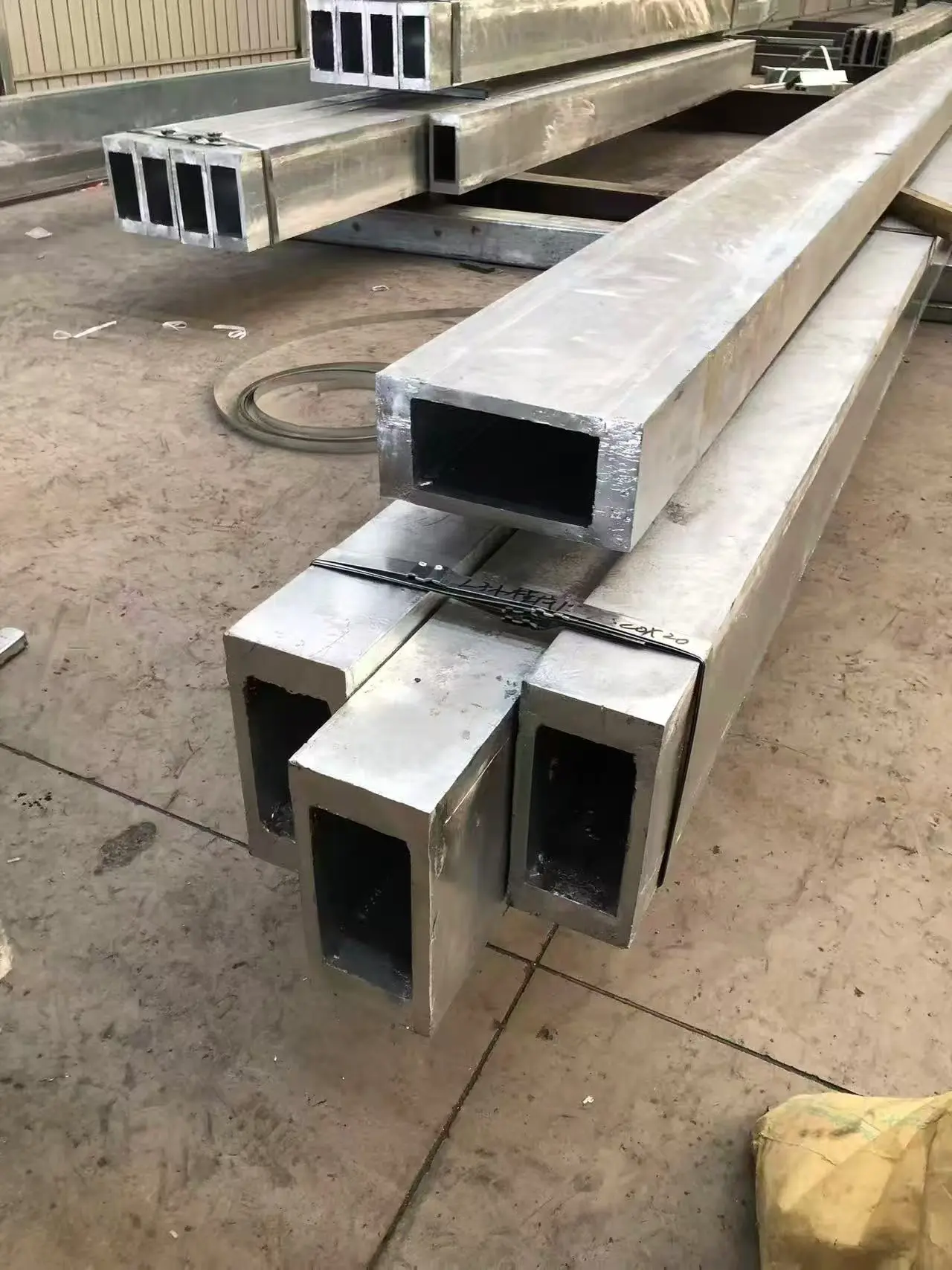
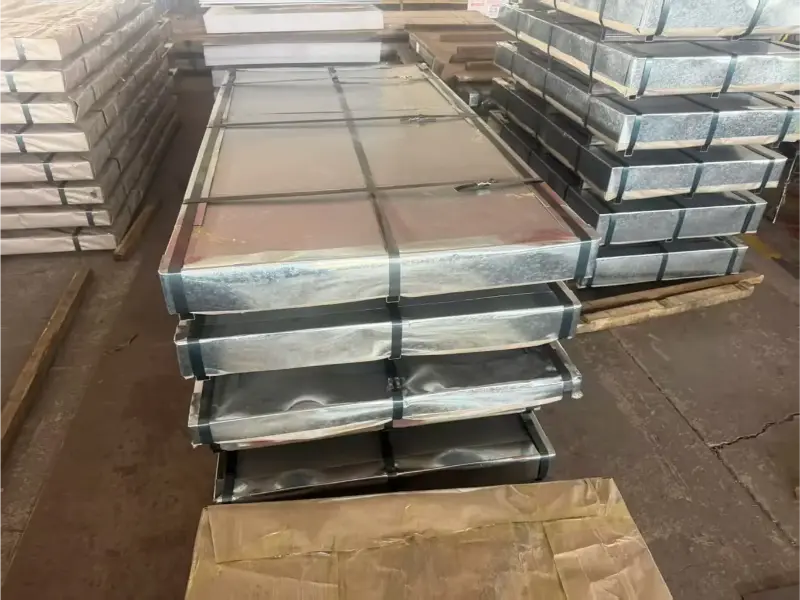
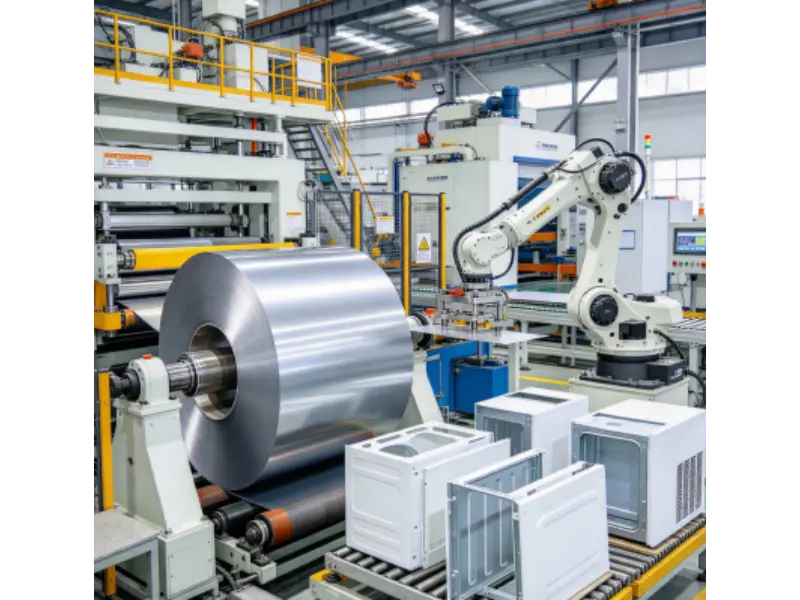
Precision cold rolled steel sheets are produced from hot-rolled coils. After undergoing pickling to remove oxide scale, the material is subjected to multiple passes of cold rolling at room temperature, followed by annealing, leveling, and precision trimming. Compared to hot-rolled sheets, precision cold-rolled steel sheets feature a smooth, clean surface, greater thickness uniformity, a dense internal microstructure, and superior, more consistent mechanical and formability properties. These sheets serve as high-quality base materials for various stamping, bending, and forming processes, used in the production of home appliance casings, automotive components, office furniture, precision hardware, and structural parts for electronic equipment.
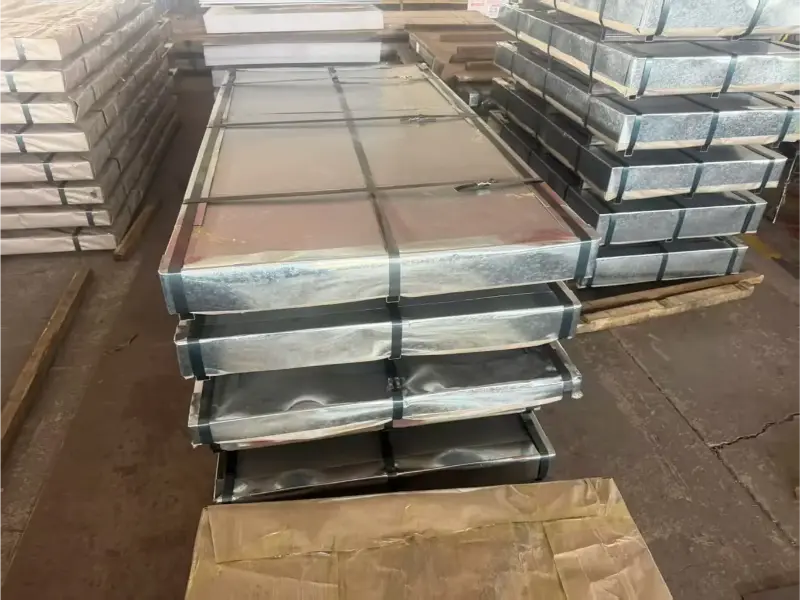
Precision cold rolled steel sheets undergo a leveling process, ensuring a flat surface with strict control over shape defects such as waviness and camber. During continuous stamping or progressive die forming, the material is less prone to issues like wrinkling or inconsistent springback. This results in stable part dimensions and higher yields, reducing scrap—making these sheets particularly well-suited for applications requiring high surface flatness, such as home appliance panels and automotive interior trim.
The cold-rolling process incorporates a closed-loop thickness control system, ensuring minimal thickness variation across individual sheets and entire batches, with tolerances maintained within a narrow range. This consistency allows for stable die clearances and predictable springback during bending, preventing defects such as tearing during stamping or dimensional deviations during assembly, thereby ensuring product uniformity in large-scale production.
The surface is precision-processed and refined, free from oxide scale, indentations, or significant scratches, with a consistent surface roughness. When used as a substrate for electroplating, spray coating, or coil coating, the material provides excellent coating adhesion and uniform color. It is resistant to surface defects such as pinholes or peeling, eliminating the need for additional grinding steps and enhancing both downstream processing efficiency and the final aesthetic quality of the product.
Precision cold rolled steel sheets are available in various grades—such as SPCC, SPCD, and SPCE—and can be supplied in different hardness states, including soft, half-hard, and full-hard. Soft-temper sheets offer excellent deep-drawability, making them ideal for complex stretch-forming, while half-hard and full-hard sheets are well-suited for stamping structural components. Mechanical properties remain consistent within the same batch, preventing forming defects that might otherwise arise from hardness fluctuations caused by mixing different batches.
Our inventory encompasses a wide range of thicknesses and widths. We offer services such as leveling, cut-to-length, and slitting, allowing for the production of standard flat sheets or custom-sized pieces. This streamlines operations by reducing the need for secondary processing by the customer—enabling immediate use while minimizing material waste and inventory pressure.
Unlike structural steel, precision cold rolled steel sheet is not a material that can be left in storage indefinitely. Lacking a protective oxide scale, the surface is the product itself; it is shielded only by a micron-thin film of oil—not a layer of zinc. If managed as "work-in-progress" rather than long-term inventory, most potential issues can be avoided.
Place wooden dunnage beneath each bundle, allow for air circulation around the stacks, and avoid storage directly under roofs prone to leaks or condensation. While a coil of cold-rolled steel can remain in a dry warehouse for months, it can begin to rust within a week if left near an open door at a damp construction site.
The protective film and desiccant are what safeguard the material; once the packaging is cut open, the steel relies solely on its thin oil film for protection. If a coil is partially used, it must be re-wrapped the same day—do not wait until the end of the shift.
In scenarios involving uncoiling, slitting, or rewinding, the cost of applying a fresh layer of anti-rust oil is negligible compared to the value of the material itself. Ask us which oil was used so you can source a matching product, or request that we include the same oil with your shipment.
Sheets in a stack will eventually conform to the shape of whatever lies beneath them. If a sheet of material rests on a pallet in such a way that its weight is borne by the two edges adjacent to the forklift slots, marks from those edges will become visible after a few months.
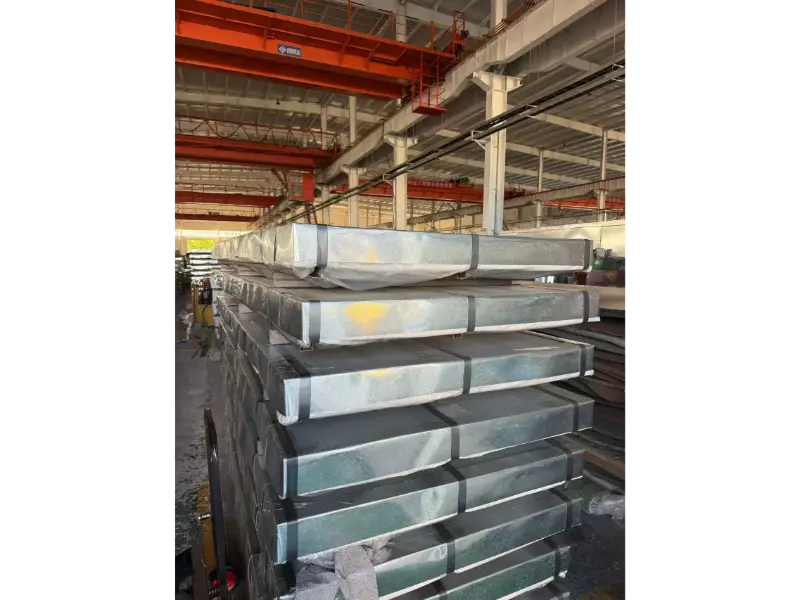
Thanks to their flat surfaces, consistent thickness, and excellent formability, precision cold rolled steel sheets are among the most widely used base materials in the manufacturing industry. Key applications include:
Used for the casings and panels of refrigerators and washing machines, sheet metal components for air conditioners, range hood panels, and structural parts for small appliances like microwave ovens. The smooth surface ensures a high-quality finish after coating, making it a primary material for home appliances.
Used for car seat frames, inner door panels, hoods, chassis structural parts, and precision automotive stampings. The material’s stable forming characteristics meet the requirements for high-precision, high-volume production of automotive parts.
Used for steel office cabinets, filing cabinets, metal frames for tables and chairs, and cabinet doors. The flat surface is ideal for bending, resulting in clean lines and strong structural support.
Used for equipment chassis and cabinets, server enclosures, structural components for communication equipment, and instrument housings. The clean surface and consistent dimensions meet the strict precision and aesthetic requirements of electronic equipment.
Used for toolboxes, lock components, metal storage products, and various small hardware stampings. The material’s excellent deep-drawing and bending properties make it suitable for a wide range of hardware manufacturing processes.
6. Substrate for Coating, Plating, and Further Processing: Serves as a base material for electroplating, spray coating, color coating, and lamination. These processed sheets—such as color-coated, galvanized, or laminated steel—are widely used in building envelopes, interior decoration, and light-gauge steel framing.
A: Cold-rolled sheets feature a smoother surface, more uniform thickness, tighter tolerances, and superior formability, making them ideal for products that require high aesthetic quality and precision. Hot-rolled sheets, by contrast, are more cost-effective and typically thicker, making them better suited for general structural components.
A: Yes. We offer services such as leveling and cutting to size, as well as slitting. We can process the material according to your exact specifications before shipment.
A: Yes. We have extensive experience with exports and can assist with consolidated container shipments (LCL), customized export packaging, and the provision of all necessary export documentation.
A: Yes. Precision cold rolled steel sheets have a smooth surface that ensures excellent adhesion for coatings. We recommend degreasing the surface prior to coating to achieve a more stable and durable finish.
A: Choose the "soft" temper for deep drawing or complex forming processes; choose the "hard" temper when structural strength and resistance to deformation are required.
A: Items in stock can be shipped quickly. Orders requiring leveling, cutting, or other processing will have a longer lead time; please confirm the delivery schedule before placing your order.
Address
S213 Jinghai District, Tianjin City, China
Tel