
Seamless Pipe is widely used in pressure, process, energy, mechanical, and fluid-transport applications where material consistency, dimensional accuracy, and dependable service performance matter. Unlike welded pipe, seamless pipe is produced without a longitudinal weld seam. This article explains how seamless pipe is manufactured, how grades and standards affect selection, what buyers should check before ordering, and how to avoid common specification and procurement problems. It also outlines the role of dimensions, wall thickness, testing, documentation, surface condition, and supplier capability in achieving reliable project results.
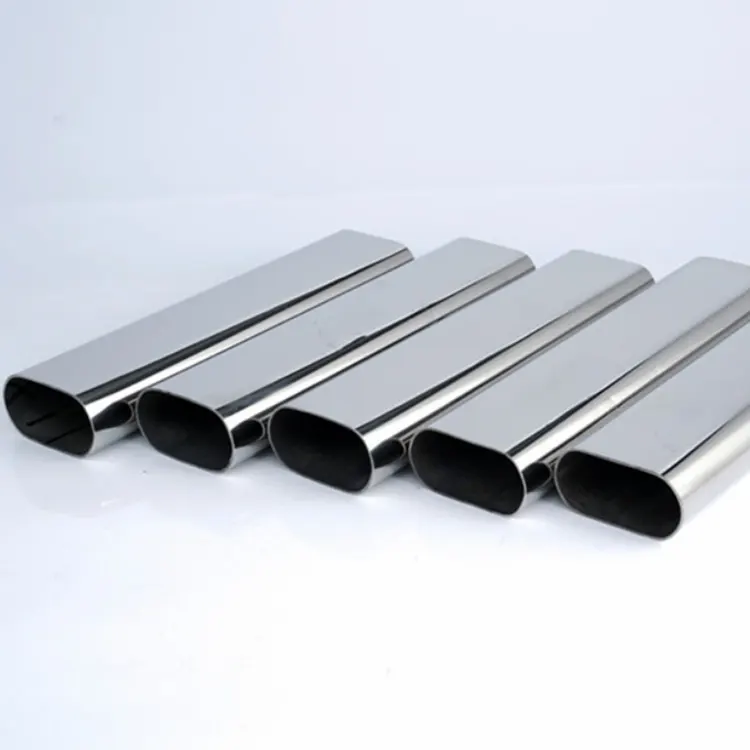
What Is Seamless Pipe?
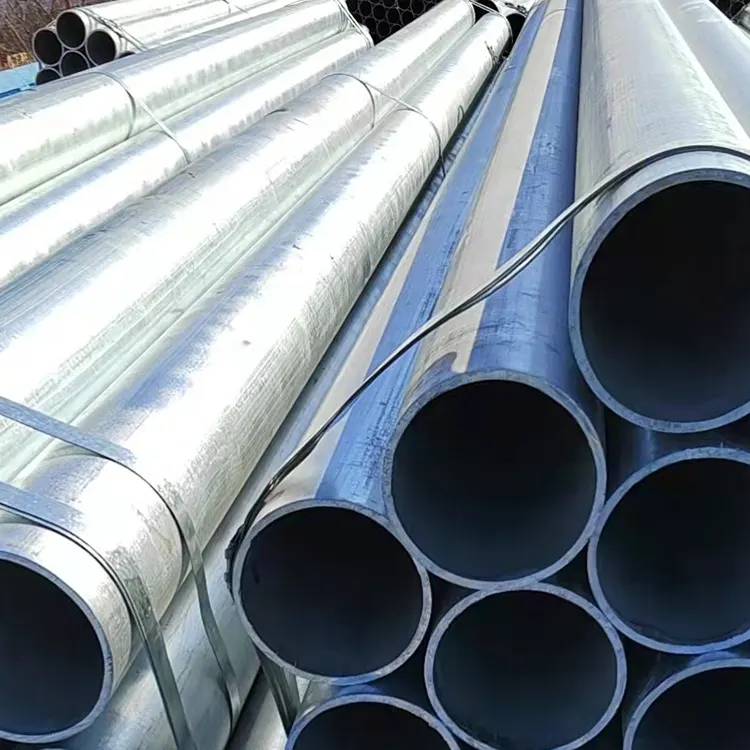
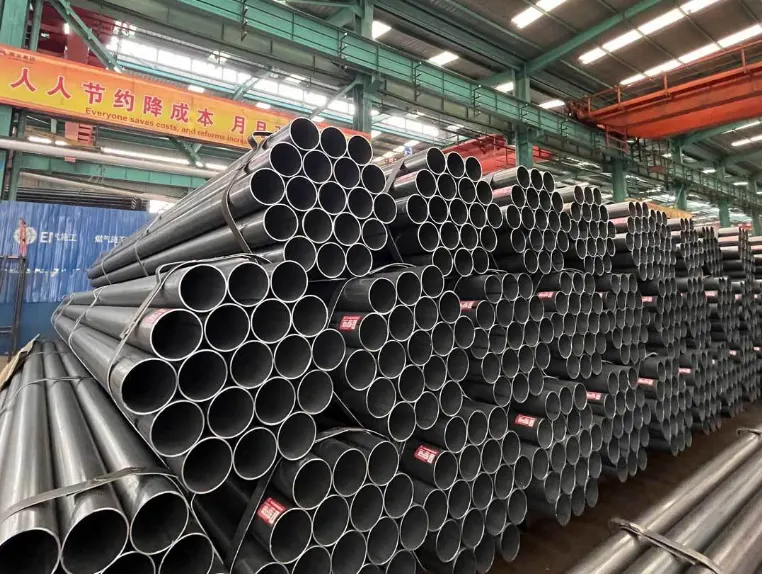
Seamless Pipe is a tubular steel product manufactured without a welded longitudinal seam. Instead of forming a flat strip and joining its edges, seamless production starts with a solid steel billet that is heated and pierced to create a hollow section. The hollow shell is then processed through rolling, sizing, heat treatment, and finishing operations to achieve the required dimensions and properties.
The absence of a weld seam is one of the defining characteristics of seamless pipe. For engineers and purchasing teams, however, “seamless” alone is not a complete specification. The appropriate standard, steel grade, outside diameter, wall thickness, length, end preparation, heat treatment, testing requirements, and documentation must also match the intended service.
ASTM A53, for example, covers both seamless and welded steel pipe, while ASTM A106 specifically covers seamless carbon steel pipe for high-temperature service.
How Is Seamless Pipe Manufactured?
Manufacturing methods can vary according to diameter, wall thickness, material, and required specification, but the basic process follows several controlled stages.
1. Steel Billet Preparation
Production begins with a suitable steel billet. Chemical composition and steelmaking controls influence the final mechanical properties, weldability, corrosion resistance, and temperature performance of the finished pipe.
2. Heating and Piercing
The billet is heated to an appropriate temperature and pierced to create a hollow shell. This operation is fundamental to seamless production because the hollow form is created from solid material rather than by joining a preformed strip.
3. Rolling and Sizing
The hollow shell passes through forming and sizing equipment to achieve the required outside diameter and wall thickness. Controlled deformation helps establish dimensional consistency across the pipe length.
4. Heat Treatment
Depending on the material and applicable standard, heat treatment may be required to establish suitable microstructure and mechanical properties. Normalizing and other thermal processes can also help control residual stresses and improve consistency.
5. Finishing and Inspection
Final operations may include straightening, cutting, end preparation, surface inspection, dimensional checks, hydrostatic testing, and other examinations required by the applicable specification or purchase order.
Why Is Seamless Pipe Used in Critical Applications?
These characteristics make seamless pipe common in process piping, power generation, oil and gas equipment, chemical facilities, mechanical systems, hydraulic applications, and other industrial environments. The key point is that seamless construction does not automatically make every pipe suitable for every application. The entire material specification still needs to be verified.
Which Standards and Grades Matter?
Choosing a seamless pipe begins with identifying the governing standard. Different standards address different service objectives, testing requirements, material systems, and applications.
ASTM A106
ASTM A106 is a commonly specified seamless carbon steel pipe standard for high-temperature service. It is frequently associated with process piping, refineries, power plants, steam systems, and other industrial applications where elevated-temperature performance is important.
ASTM A53
ASTM A53 covers both seamless and welded black steel pipe as well as hot-dipped galvanized pipe within its specified scope. It is commonly associated with general-purpose fluid, mechanical, structural, and utility applications. The current ASTM listing identifies ASTM A53/A53M-24 as an active edition.
API 5L
API 5L is commonly associated with line pipe used for pipeline transportation of oil, gas, and other fluids. It has its own requirements for grades, manufacturing, testing, and product specification levels. It should not simply be treated as interchangeable with a process-piping standard because two pipes have similar dimensions or nominal strength.
The practical lesson is simple: never select a seamless pipe only by diameter and thickness. The material standard and grade must correspond to the actual service conditions and project requirements.
Seamless Pipe Standards at a Glance
| Specification | Product Type | Typical Application Focus | Important Consideration |
|---|---|---|---|
| ASTM A106 | Seamless carbon steel pipe | High-temperature process and pressure service | Confirm grade, temperature, pressure, and design code |
| ASTM A53 | Seamless and welded steel pipe | General service, water, air, gas, mechanical and utility applications | Confirm pipe type, grade, coating, and service conditions |
| API 5L | Seamless or welded line pipe | Pipeline transportation | Confirm grade, PSL, testing, and pipeline requirements |
ASTM's published scope for A53 confirms that the specification includes both seamless and welded pipe and provides requirements covering dimensions, chemical composition, mechanical testing, hydrostatic testing, and other inspection provisions.
Because project specifications can include supplementary requirements, the applicable edition and purchaser requirements should always be checked before production. A supplier quotation should not be based on a standard name alone.
How Should Buyers Specify Seamless Pipe?
A clear purchase specification helps suppliers quote accurately and reduces the possibility of receiving material that technically resembles the requested product but does not satisfy the project requirements.
Start With the Service Conditions
- Operating temperature
- Design pressure
- Fluid or medium being transported
- Corrosive or abrasive conditions
- Indoor or outdoor installation
- Required service life
- Applicable engineering or piping code
Define the Material Specification
State the required standard and grade rather than simply requesting “carbon seamless pipe.” For example, an engineering document may identify a specific ASTM grade or an API line-pipe grade depending on the intended application.
Confirm Dimensions
- Nominal pipe size or outside diameter
- Wall thickness or schedule
- Required pipe length
- Dimensional tolerances
- End condition and bevel requirements
- Threading or other end preparation where applicable
Specify Inspection and Documentation
Buyers should identify required inspection documents before placing an order. Depending on the project, this can include a material test certificate, heat number traceability, dimensional inspection, hydrostatic test records, non-destructive examination, third-party inspection, and other agreed documentation.
What Quality Checks Should Be Considered?
Quality control should cover both the steel itself and the finished pipe. A visually clean surface is useful, but visual inspection alone cannot establish whether a product meets a technical specification.
| Quality Area | What Buyers Should Check | Why It Matters |
|---|---|---|
| Material | Grade and chemical composition | Confirms compatibility with the specified material standard |
| Dimensions | Outside diameter and wall thickness | Ensures fit and supports correct system design |
| Mechanical Properties | Tensile strength, yield strength, elongation where required | Confirms specified mechanical performance |
| Testing | Hydrostatic and/or required non-destructive examinations | Provides evidence of conformity with applicable requirements |
| Traceability | Heat number, markings, certificates | Supports material identification throughout procurement |
| Surface | Cracks, pits, scale, dents and unacceptable defects | Helps prevent installation and service problems |
ASTM A53, for example, specifies tension, bend, flattening, hydrostatic, and nondestructive electric testing provisions within its scope. The exact tests applicable to an order depend on the specification, product type, and purchase requirements.
Where Is Seamless Pipe Commonly Used?
Seamless pipe can serve a broad range of industrial requirements. Its suitability depends on material grade, dimensions, pressure, temperature, corrosion environment, and applicable engineering standards.
- Oil and gas: selected pipeline and equipment applications according to the applicable specification.
- Power generation: steam, feedwater, and other pressure-piping applications where the selected grade is appropriate.
- Petrochemical plants: process lines and utility systems operating under demanding conditions.
- Chemical processing: fluid transportation where material compatibility and controlled specifications are important.
- Mechanical engineering: shafts, structural components, machinery, and fabricated assemblies where tubular steel is required.
- Hydraulic systems: applications requiring suitable dimensional control and pressure capability.
- Construction and utilities: selected water, gas, air, structural, and mechanical applications depending on the specified product.
Application should always drive specification. A pipe that works well for a water utility line may not be appropriate for a high-temperature process line, even if the dimensions appear identical.
What Procurement Mistakes Should Buyers Avoid?
1. Ordering Only by Size
“Seamless pipe, 4-inch, Schedule 40” is often not enough information for a critical industrial order. Material standard and grade may determine whether the product is appropriate for the service.
2. Treating Similar Standards as Identical
ASTM A53 and ASTM A106 may overlap in certain grades and mechanical properties, but they are not simply interchangeable in every application. A106 is specifically associated with seamless carbon steel pipe for high-temperature service, while A53 covers both seamless and welded pipe for its defined scope.
3. Ignoring the Design Code
The pipe material must work within the requirements of the applicable piping or equipment design code. Engineering approval should be obtained before substituting one material specification for another.
4. Failing to Confirm Documentation
If material certificates, traceability, inspection reports, or third-party verification are required, these conditions should be established before production rather than after shipment.
5. Comparing Suppliers Only by Unit Price
A lower quotation may not represent a lower total project cost if it excludes required testing, documentation, special end preparation, inspection, packaging, or other project-specific requirements.
Why Supplier Capability Matters
A reliable seamless pipe supplier should do more than provide a price. The supplier should be able to understand the requested specification, identify missing purchasing information, confirm production feasibility, provide appropriate technical documentation, and maintain traceability throughout the order.
For international buyers, communication is equally important. Before placing a bulk order, it is useful to confirm the product standard, grade, dimensions, quantity, length, end finish, inspection requirements, packaging method, delivery terms, and documentation package in writing.
Tianjin Shixinda Steel Sales Co., Ltd. can work with industrial buyers to clarify seamless pipe requirements and develop product quotations around project-specific specifications. For buyers handling multiple sizes, grades, or applications, communicating the complete requirement at the quotation stage can make the sourcing process more efficient and reduce avoidable specification changes later.
A Practical Buyer Checklist
- Confirm the application and service medium.
- Identify operating and design temperature.
- Identify operating and design pressure.
- Confirm the applicable pipe standard and grade.
- Specify outside diameter, nominal size, and wall thickness.
- Confirm pipe length and dimensional tolerances.
- Define end preparation requirements.
- Confirm testing and inspection requirements.
- Request material certificates and traceability documentation.
- Confirm packaging, quantity, delivery requirements, and project schedule.
Frequently Asked Questions About Seamless Pipe
What is the main difference between seamless and welded pipe?
Seamless pipe is produced from a solid billet that is pierced and formed into a hollow tube, while welded pipe is formed from a strip or plate and joined along a seam. The appropriate choice depends on the application, specification, dimensions, service conditions, and project requirements.
Is ASTM A106 always better than ASTM A53?
The standards serve different purposes, so “better” is not a useful general rule. ASTM A106 is specifically intended for seamless carbon steel pipe for high-temperature service, while ASTM A53 includes both seamless and welded pipe within its scope. The correct specification is the one that satisfies the engineering requirements of the application.
Can seamless pipe be used for high-pressure applications?
Yes, seamless pipe is used in many pressure applications, but pressure capability cannot be determined from the word “seamless” alone. Engineers must consider material grade, wall thickness, temperature, diameter, allowable stresses, corrosion allowance, design code, and other project requirements.
What information should I provide when requesting a quotation?
Provide the standard and grade, nominal size or outside diameter, wall thickness or schedule, quantity, length, end preparation, application, operating conditions, testing requirements, documentation requirements, and delivery destination whenever available.
Does seamless pipe require testing?
Testing requirements depend on the applicable product standard and purchase specification. Depending on the order, requirements may include hydrostatic testing, mechanical testing, dimensional inspection, non-destructive examination, chemical analysis, and documentation review.
How can I avoid ordering the wrong seamless pipe?
Begin with the actual operating conditions and governing engineering standard instead of starting with price or dimensions. Then confirm the material grade, dimensions, testing, documentation, and delivery requirements with the supplier before production.
Build a More Reliable Seamless Pipe Procurement Plan
Selecting seamless pipe is ultimately about matching the material and manufacturing specification to the real operating environment. By confirming the grade, standard, dimensions, testing, traceability, and application requirements before ordering, industrial buyers can reduce specification errors and improve project consistency.
If you are sourcing seamless pipe for process piping, energy projects, mechanical applications, fluid transportation, or other industrial requirements, Tianjin Shixinda Steel Sales Co., Ltd. can help you review the required specifications and discuss suitable supply options. Please contact us with your pipe standard, grade, dimensions, quantity, and application requirements for a detailed quotation and product discussion.