
Square and rectangular tube is widely used when engineers, fabricators, contractors, and industrial buyers need a combination of structural efficiency, clean geometry, fabrication convenience, and dependable dimensional performance. Its closed-section design can provide useful resistance to compression and torsion while its flat faces simplify welding, bolting, cladding, and component attachment. ASTM A500/A500M, for example, covers cold-formed welded and seamless carbon steel structural tubing in round, square, rectangular, and special shapes for general structural applications. The right tube, however, depends on more than nominal dimensions. Wall thickness, steel grade, loading conditions, connection design, corrosion exposure, manufacturing process, tolerances, surface treatment, and inspection requirements all influence the final result. This guide explains these factors in practical terms so buyers can specify square and rectangular tube with greater confidence.
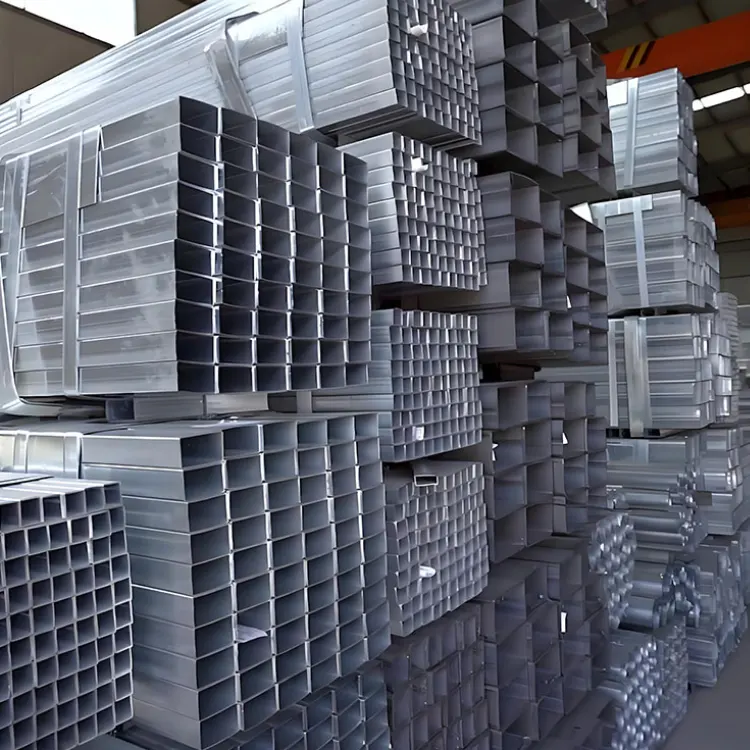
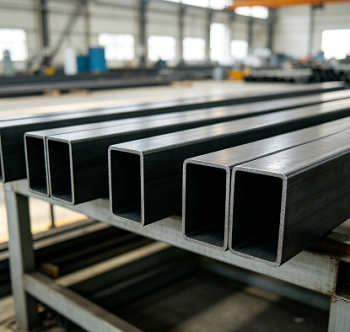
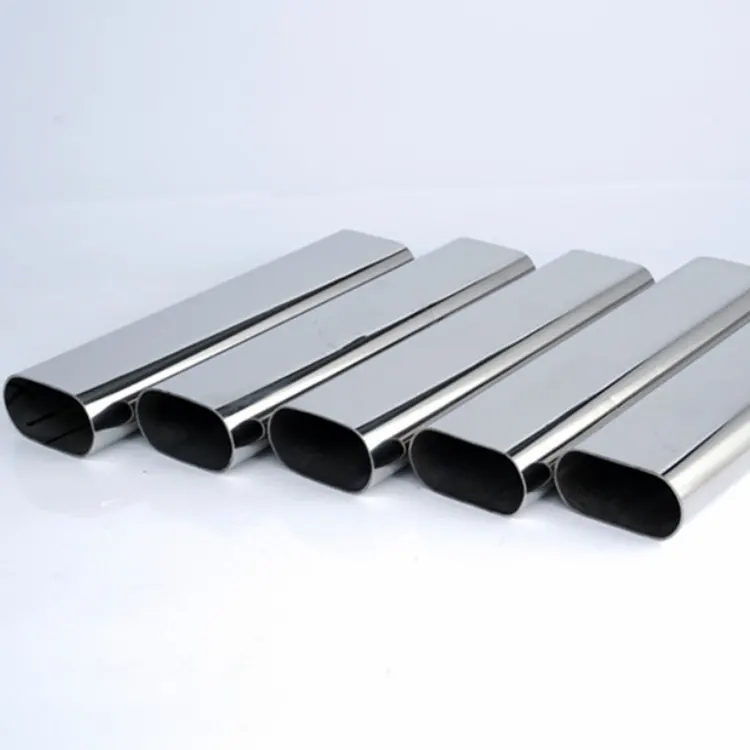
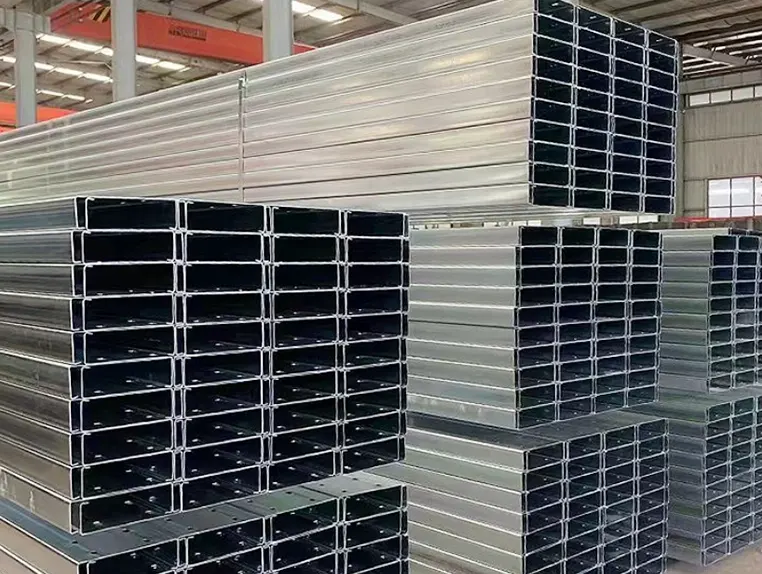
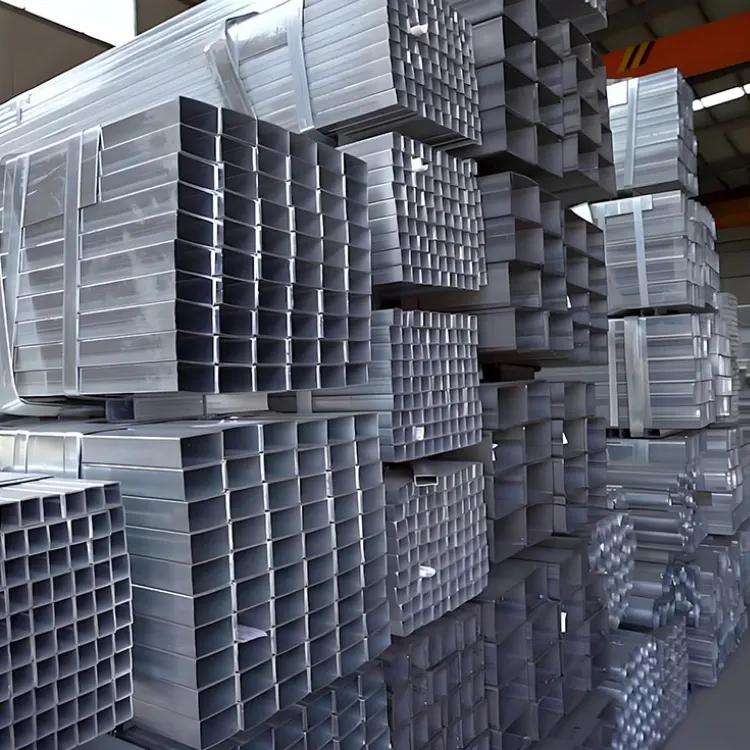
Square and rectangular tube are hollow steel sections formed into closed profiles. A square tube has four equal sides, while a rectangular tube has two longer sides and two shorter sides. Both configurations provide flat external surfaces and an enclosed cross-section, making them useful for structural members, frames, supports, machinery, transportation equipment, architectural structures, and fabricated assemblies.
In structural terminology, these products are often referred to as hollow structural sections, or HSS. The Steel Tube Institute describes HSS as structural steel tubing produced in round, square, and rectangular forms and notes their use in buildings and other manufactured products. ASTM A500/A500M covers cold-formed welded and seamless carbon steel structural tubing in these shapes for welded, riveted, or bolted construction and general structural purposes.
The hollow design is important because it places material around an open interior rather than creating a completely solid section. This can provide a useful balance between structural performance and material usage. For buyers, the practical advantage is that a properly specified tube can deliver the required performance without automatically requiring a solid bar or much heavier structural profile.
The geometry of a tube directly affects how it behaves under load. Square and rectangular sections are closed profiles, so their walls form a continuous perimeter. This geometry can be particularly useful when a component experiences compression, bending, or torsional forces.
For compression members, section geometry and wall thickness are critical. A tube that appears visually substantial may not have adequate capacity if the wall is too thin for the required loading condition. Conversely, unnecessarily thick walls can increase material consumption, fabrication weight, and project cost.
Closed sections can also offer advantages in torsional applications. The Steel Tube Institute notes that closed HSS sections are advantageous for resisting torsional loads. The same source also highlights the high strength-to-weight characteristics of HSS and the relatively low surface area of rectangular and square HSS compared with some open sections of comparable capacity.
Tube size alone does not determine structural suitability. Engineers should evaluate loading, unsupported length, connection details, wall slenderness, material properties, fabrication method, and applicable design requirements together.
The two profiles share many characteristics, but their geometry makes them useful in different situations. Square tube has equal dimensions in both principal directions, which makes it convenient when a structure needs relatively balanced geometry. Rectangular tube provides different section dimensions, allowing designers to orient the deeper dimension according to the primary bending requirement.
| Factor | Square Tube | Rectangular Tube |
|---|---|---|
| Geometry | Four equal sides | Two long sides and two short sides |
| Typical advantage | Balanced geometry and convenient framing | Efficient orientation for directional loads |
| Fabrication | Flat faces simplify many connections | Flat faces allow flexible orientation and attachment |
| Common uses | Frames, posts, supports, equipment structures | Beams, frames, chassis, racks, structural supports |
Choosing between the two should therefore be based on the actual geometry and load path rather than simply treating one shape as universally superior. In many projects, both profiles may be used together.
Many purchasing problems originate from incomplete specifications rather than from the tube itself. A request such as “square steel tube” may be insufficient for a manufacturer because it does not identify the required dimensions, wall thickness, grade, standard, surface condition, length, tolerance, or quantity.
A practical purchasing checklist should include:
For international purchasing, it is particularly important to keep dimensions, units, standards, and tolerances consistent. Mixing metric and imperial requirements without clearly identifying the governing specification can create avoidable misunderstandings.
The combination of closed-section geometry and flat faces makes square and rectangular tube adaptable to many industrial and construction environments.
Columns, frames, roof structures, supports, partitions, and architectural steelwork.
Machine frames, equipment bases, platforms, guards, racks, and support structures.
Chassis components, trailers, agricultural equipment, and fabricated structural assemblies.
Visible frames, entrances, canopies, railings, partitions, and exposed steel features.
Architecturally exposed applications can benefit from the smooth faces and rounded corners commonly associated with HSS. These characteristics can also simplify the visual integration of structural members into contemporary designs.
Flat external faces are one of the practical reasons square and rectangular tube are popular with fabricators. Components can be positioned against flat surfaces, and welding, drilling, bolting, cutting, and bracket installation can often be planned with straightforward reference points.
The geometry also supports clean frame construction. For example, two square tubes can be aligned face-to-face or at right angles without needing to accommodate the continuously curved surface of a round tube. Rectangular tube can additionally be oriented so its deeper side corresponds with the desired structural direction.
However, fabrication should not be treated as a purely dimensional issue. Cutting accuracy, corner radius, wall thickness, weld quality, heat input, joint preparation, distortion control, and post-fabrication inspection can all influence the final assembly.
Before mass production, confirm the actual tube dimensions, corner geometry, tolerances, welding procedure, and connection design using representative samples when the assembly has tight dimensional requirements.
Steel tube used outdoors or in aggressive environments may require protection against corrosion. The appropriate treatment depends on exposure conditions, service life expectations, appearance requirements, fabrication sequence, and maintenance strategy.
Surface preparation is just as important as the coating itself. Dirt, oil, mill scale, moisture, weld spatter, and fabrication damage can affect coating adhesion and long-term performance. Buyers should therefore specify both the desired finish and the required preparation standard where appropriate.
Consistent quality begins with appropriate raw material and continues through forming, welding, sizing, finishing, inspection, and packaging. A visually attractive tube is not necessarily sufficient for a demanding engineering application.
| Quality Area | What to Verify |
|---|---|
| Chemical composition | Compliance with the specified material grade and applicable standard |
| Mechanical properties | Yield strength, tensile strength, elongation, and other specified requirements |
| Dimensions | Outside dimensions, wall thickness, length, straightness, and tolerances |
| Weld quality | Weld integrity and compliance with the relevant manufacturing specification |
| Surface | Finish, coating condition, corrosion protection, and visible defects |
| Documentation | Mill certificates, inspection reports, traceability, and shipment records where required |
ASTM A500/A500M, for example, includes requirements related to chemical composition, manufacturing, testing, inspection, and finish. The applicable standard should always be confirmed against the specific project because not every steel tube standard is intended for every service condition.
A strong purchase specification reduces communication gaps between the buyer, manufacturer, quality team, logistics provider, and end user. Instead of simply stating a product name, provide a complete technical description.
Example specification structure:
Product: Square and Rectangular Steel Tube
Shape: Square / Rectangular
Dimensions: Specified outside width × height
Wall Thickness: Specified thickness
Material: Required steel grade
Standard: Applicable ASTM / EN / JIS / GB specification
Length: Fixed or standard length
Surface: Black / galvanized / coated
Inspection: Required test certificates and inspection documents
Packaging: Bundled and protected for international shipment
This level of detail is particularly valuable for OEM projects and repeat orders. Once a specification has been confirmed and documented, future purchasing can be based on the same technical reference rather than relying on informal product descriptions.
Square tube has four equal sides, while rectangular tube has two different side dimensions. Rectangular geometry can provide more flexibility when a structural member needs greater depth in one direction.
Yes. Structural tube standards such as ASTM A500/A500M specifically cover square and rectangular carbon steel tubing for general structural purposes and construction applications. Actual suitability depends on grade, dimensions, loading, connections, and applicable design requirements.
Not necessarily. Increasing wall thickness changes weight, section properties, fabrication requirements, and cost. The correct thickness should be determined from the application's structural and manufacturing requirements.
Many structural tubes are manufactured as welded products and can be incorporated into fabricated assemblies using appropriate welding procedures. Welding requirements should be established according to the material, thickness, joint design, service conditions, and applicable standards.
Provide tube shape, outside dimensions, wall thickness, material grade, applicable standard, length, surface treatment, quantity, inspection requirements, packaging requirements, and destination. Drawings or technical specifications are useful for customized projects.
Depending on the manufacturer's production capabilities, dimensions, lengths, surface finishes, packaging, and fabrication-related requirements may be customized. Customized orders should be confirmed against production capability, applicable tolerances, minimum order quantity, and technical requirements.
Square and rectangular tube combines a closed structural profile with practical flat surfaces, making it useful across construction, industrial equipment, architectural steelwork, transportation, and fabricated assemblies. Its performance depends on the complete specification rather than shape alone. Dimensions, wall thickness, material grade, manufacturing method, loading conditions, connections, surface protection, inspection, and application environment should all be considered before an order is finalized.
For buyers, the most effective approach is to turn project requirements into a clear technical specification and work with a supplier capable of maintaining consistent dimensions, material quality, production control, documentation, and packaging. Tianjin Shixinda Steel Sales Co., Ltd. can support buyers looking for square and rectangular tube solutions for different industrial and structural requirements, with product specifications and supply arrangements discussed according to individual project needs.
Share your required dimensions, wall thickness, material grade, standard, quantity, surface treatment, and application details with Tianjin Shixinda Steel Sales Co., Ltd. A clear technical specification can help reduce purchasing uncertainty and make the sourcing process more efficient.
Contact us to discuss your square and rectangular tube requirements and request a professional quotation.