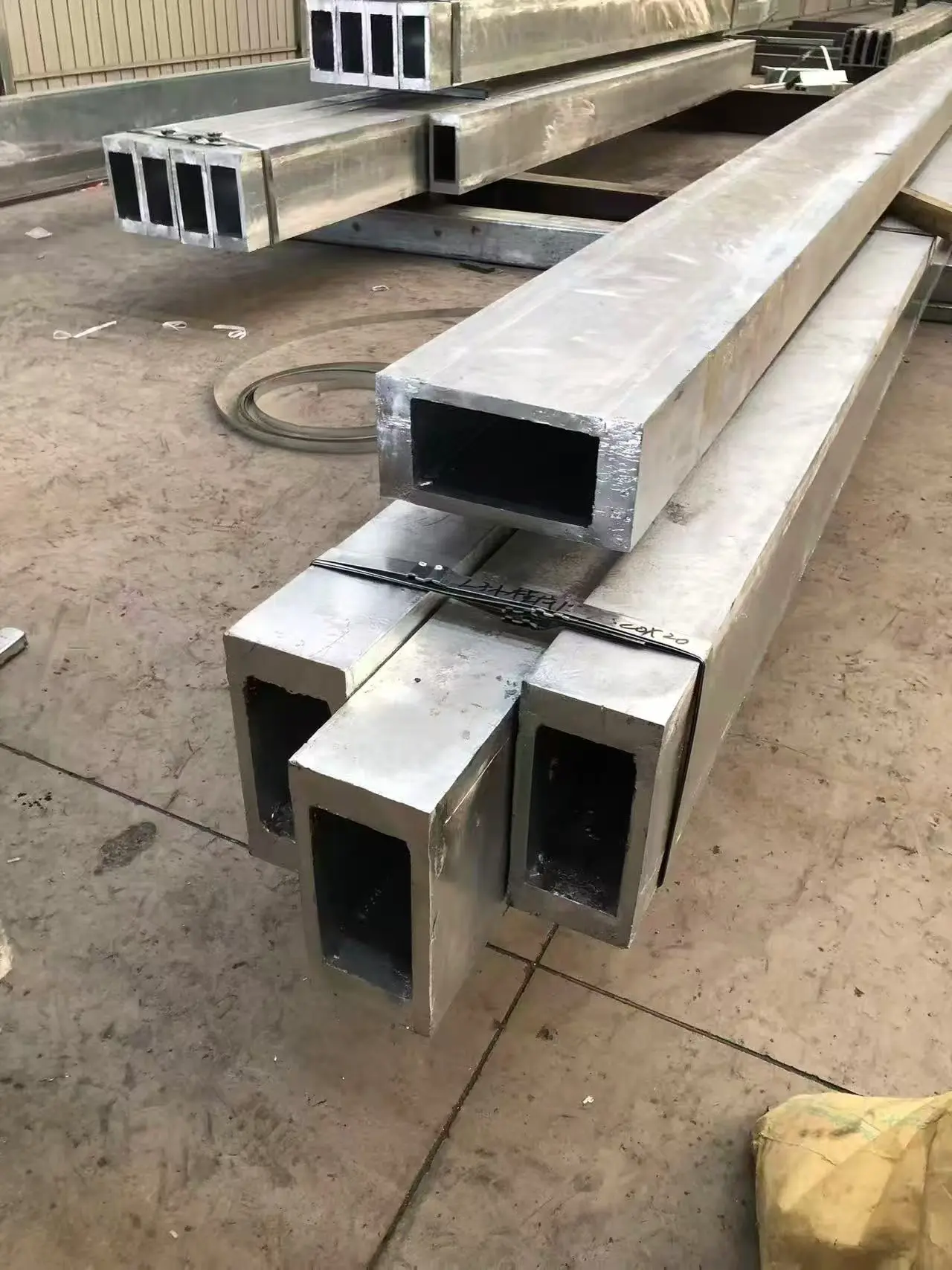
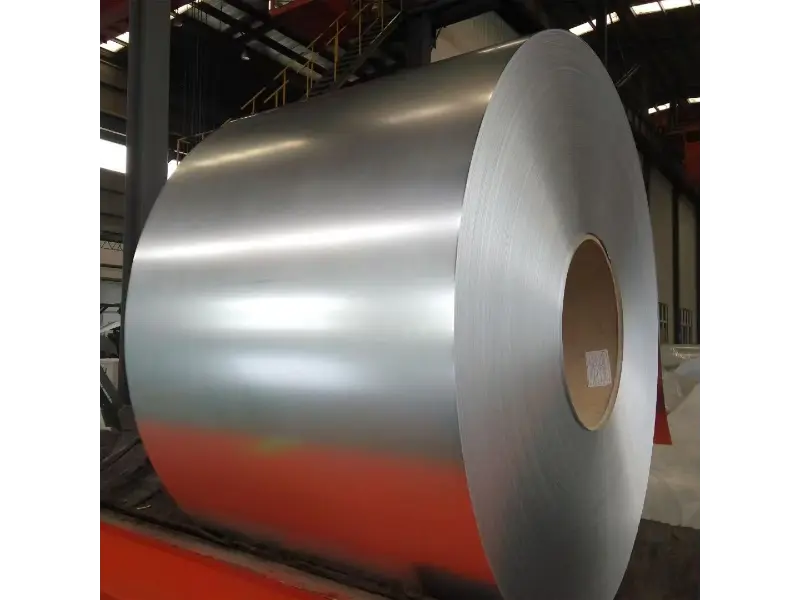
Heat treated precision steel is produced by subjecting cold-rolled steel strip to specific heat-treatment processes—such as quenching, tempering, and annealing—to precisely regulate its internal metallurgical microstructure. This results in a product with consistent hardness, strength, and elastic properties. The mechanical characteristics of these steel strips are engineered and controlled to ensure uniform hardness and spring-back behavior. They serve as high-performance base materials for manufacturing items that demand specific levels of hardness, elasticity, and wear resistance, including springs, saw blades, cutting tools, elastic components, precision mechanical parts, and automotive components.
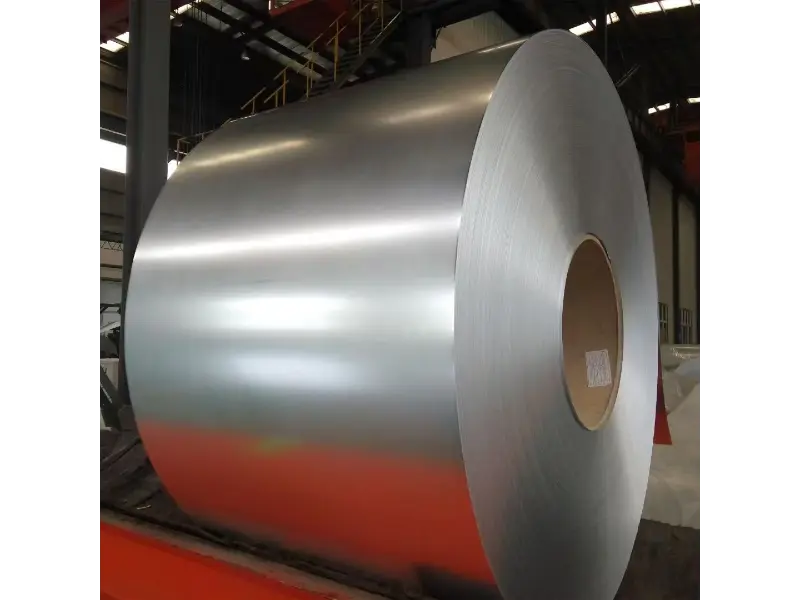
Through strictly controlled heat-treatment temperatures, these steel strips achieve high consistency in hardness and elasticity—both within a single batch and across different batches. For downstream manufacturers producing springs, cutting tools, or elastic components, this consistency ensures stable hardness and spring-back performance, leading to higher production yields. It minimizes the risk of entire batches being scrapped or requiring rework due to material variability, making production outcomes more predictable and controllable.
By purchasing heat treated precision steel that already meet the required hardness specifications, customers eliminate the need to perform their own quenching and tempering processes. This saves on the costs of heat-treatment equipment, labor, and energy, while also avoiding quality risks associated with inconsistent in-house heat treatment—ultimately reducing both manufacturing costs and production lead times.
Heat treatment enhances the strength, hardness, and wear resistance of the steel strip. Springs manufactured from this material exhibit superior fatigue life, while cutting tools and saw blades become more durable and wear-resistant. Extending the lifespan of end products helps customers improve their brand reputation and pricing power, indirectly creating greater market value.
With uniform hardness and stable strip geometry, the material is less prone to cracking or deformation during stamping and slitting, resulting in lower scrap rates. Furthermore, the availability of custom slitting and narrow-strip options allows customers to purchase exactly what they need, preventing the accumulation of excess, unused wide-strip material and optimizing both inventory levels and capital allocation.
Leveraging stable raw material supplies and mature heat-treatment production lines, we maintain a consistent inventory of steel strips in various hardness levels and specifications, ensuring rapid shipment for standard items. For large-volume orders, we offer phased production and staggered deliveries, preventing production line downtime for our clients caused by stockouts or delivery delays, thereby ensuring continuous operations.
| Item | What We Supply |
|---|---|
| Product | Heat Treated Precision Steel |
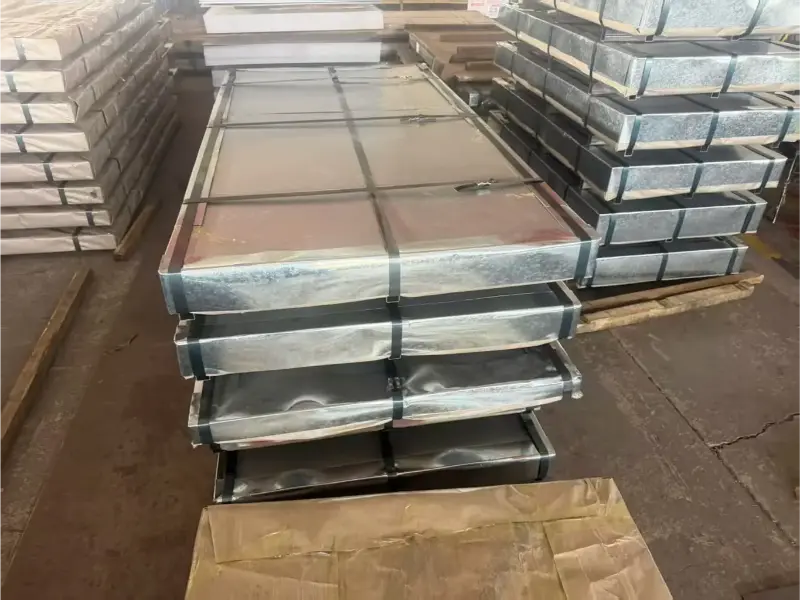
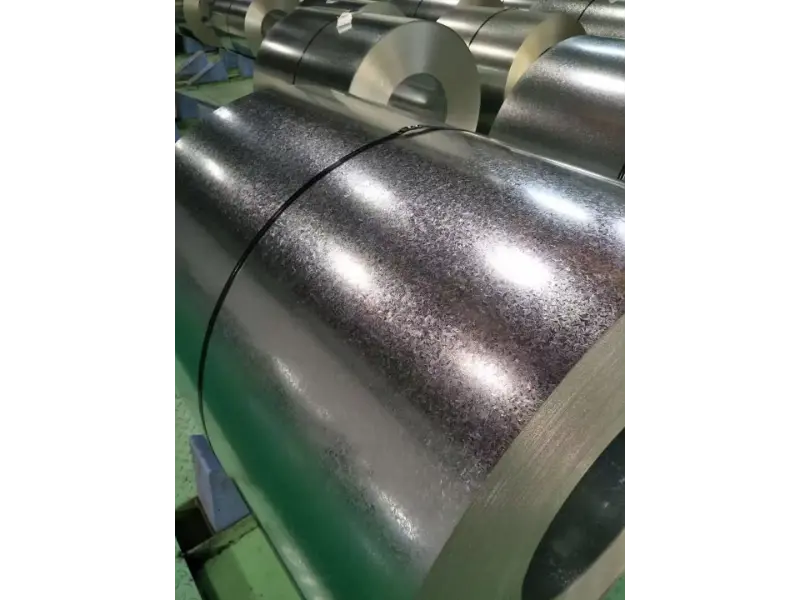
| Form | Steel coils, slit coils, or cut to length per your cutting list |
| Delivery Condition | Spheroidizing annealing / Annealed + skin passed / Cold rolled (unannealed) / Medium hardness / Quenched & tempered; marked as suffixes after grade |
| Width | Rolling width ≤ 600 mm; slitted to your required width |
| Edge | Controlled-burr slit edge, deburred edge or rounded edge |
| Steel Grades | Carbon & alloy grades for cutting edges, springs and carburizing applications; chemical composition conforms to EN ISO 683-1 to -3 when European grades are specified |
| Microstructure | Grain size & decarburization depth upon order; tested per GB/T 224-2019 or ISO 3887 |
| Inspection Sampling | Test pieces taken across strip width, at head, middle and tail of each coil |
| Flatness & Camber | Within standard tolerance for ordered width; tighter tolerances negotiable |
| Surface Finish | Bright, oxidized or matte surface, subject to delivery condition; Ra roughness available upon request for machined parts |
| Surface Protection | Standard: rolling oil film; For long transit & storage: VCI vapor corrosion inhibitor film or anti-rust paperCortec Cor... |
| Coil Inner Diameter | Matched to your uncoiler; standard sizes: 508 mm & 610 mm |
| Coil Weight | Customized to your reel and lifting equipment |
| Packaging | Coils packed upright or lying flat, with wooden skids, steel strapping, moisture barrier and edge guards |
| MOQ | No minimum order quantity; trial orders & mixed-width orders are acceptable |
| Samples | Free of charge; freight collect |
| Lead Time | Loading starts approx. 5 days after order confirmation; partial shipments available |
| Payment Term | Full payment after contract signing; balance to be paid before shipment |
| Documentation | Mill test certificate for the heat number, plus our dimensional & hardness test records for each coil |
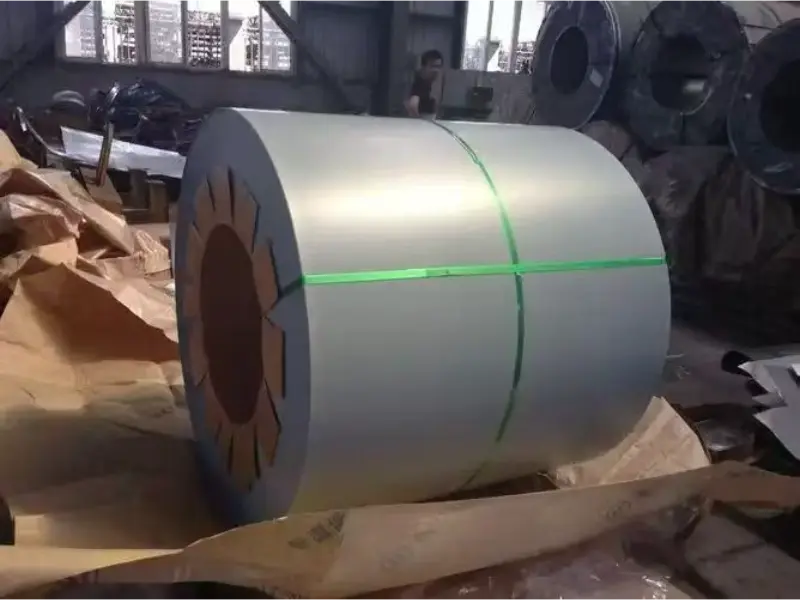
We verify material type, thickness, width, hardness, delivery format, and lead time, while clarifying specific requirements for hardness and tolerances.
Following heat treatment, each batch undergoes rigorous sampling—checking hardness, thickness, and flatness—to ensure that all steel strips meet quality standards before leaving the factory.
We coordinate logistics and packing, providing real-time tracking information so the shipment can be monitored throughout the entire transit process.
Upon receipt, clients should verify the quantity, physical appearance, and hardness of the materials, and report any discrepancies promptly.
In the event of a heat treated precision steel quality issue, we will conduct a swift investigation and coordinate a replacement or exchange.
We retain samples from every batch, ensuring performance traceability and consistent material quality for long-term partnerships.
Shixinda has extensive experience in the international steel trade. We are well-versed in the entire procurement lifecycle—from initial inquiries and quotations to sampling, inspections, and packing—enabling us to efficiently meet the steel strip requirements of international clients. We provide comprehensive and standardized export documentation, including material certificates, hardness test reports, and detailed packing lists. We support both LCL (less-than-container load) and FCL (full-container load) shipments, offering customized moisture-proof and reinforced packaging tailored to destination requirements. With a deep understanding of regional preferences regarding steel strip hardness, tolerances, and surface finishes, we provide expert selection advice based on specific overseas processing techniques. This helps clients mitigate risks associated with cross-border procurement and logistics, ensuring a smoother and more reliable ordering experience.
A: It depends on the hardness grade. High-hardness, quenched-state strips are only suitable for forming with minor deformation; if significant-angle bending is required, we recommend using annealed-state steel strips.
A: Yes, the hardness range is adjustable. Please clarify the intended application when placing your order, and we will help you select the appropriate hardness level.
A: 65Mn offers a great balance of cost and performance, making it highly versatile. SK5 provides superior hardenability and wear resistance, making it ideal for demanding applications like cutting tools and saw blades. We can provide recommendations based on your specific use case.
A: We use a protective atmosphere for heat treatment, which keeps the decarburized layer extremely thin—typically controlled to within 0.02 mm. If you require a zero-decarburization finish, we can customize the process accordingly.
A: Please report any issues discovered during on-site inspection promptly. If the problem is determined to be a product quality issue, we will arrange for a replacement or exchange.
Address
S213 Jinghai District, Tianjin City, China
Tel