Pre galvanized round steel pipe is widely used in construction, infrastructure, furniture manufacturing, agricultural facilities, and industrial applications because it combines the structural advantages of steel with the protective properties of a zinc coating. However, selecting the right pipe involves more than comparing prices and dimensions. Buyers need to understand the galvanizing process, coating limitations, dimensional tolerances, corrosion resistance, fabrication requirements, and quality inspection procedures. This guide explains how pre galvanized round steel pipe is manufactured, where it performs best, what specifications matter during procurement, and how to evaluate a reliable supplier for long-term project success.
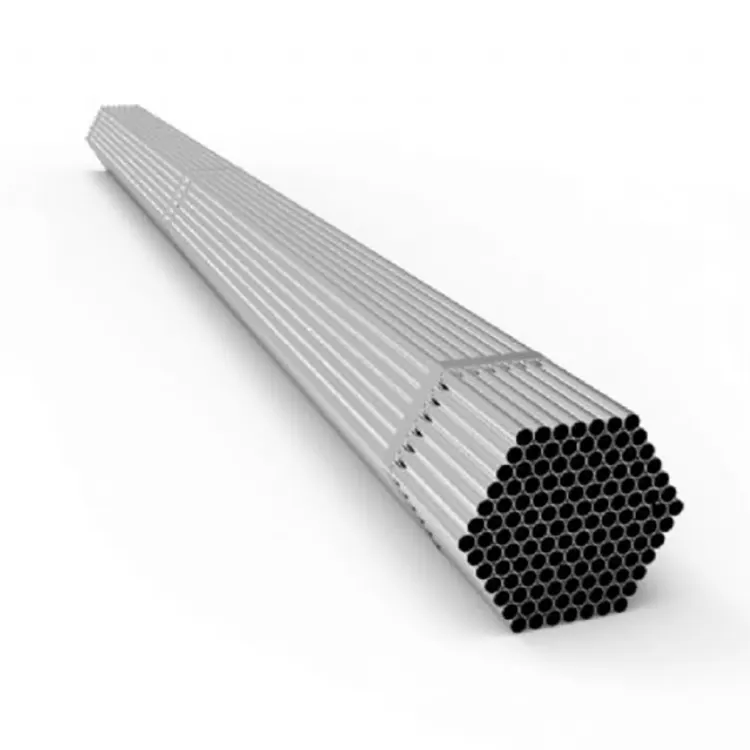
Table of Contents
- What Is Pre Galvanized Round Steel Pipe?
- How Is Pre Galvanized Steel Pipe Manufactured?
- What Are Its Main Advantages?
- Where Is Pre Galvanized Round Steel Pipe Used?
- Which Specifications Should Buyers Consider?
- Pre Galvanized vs. Hot Dip Galvanized Steel Pipe
- How Can Buyers Evaluate Pipe Quality?
- Common Purchasing Mistakes and How to Avoid Them
- How to Choose a Reliable Steel Pipe Supplier
- Frequently Asked Questions
- Final Thoughts
1. What Is Pre Galvanized Round Steel Pipe?
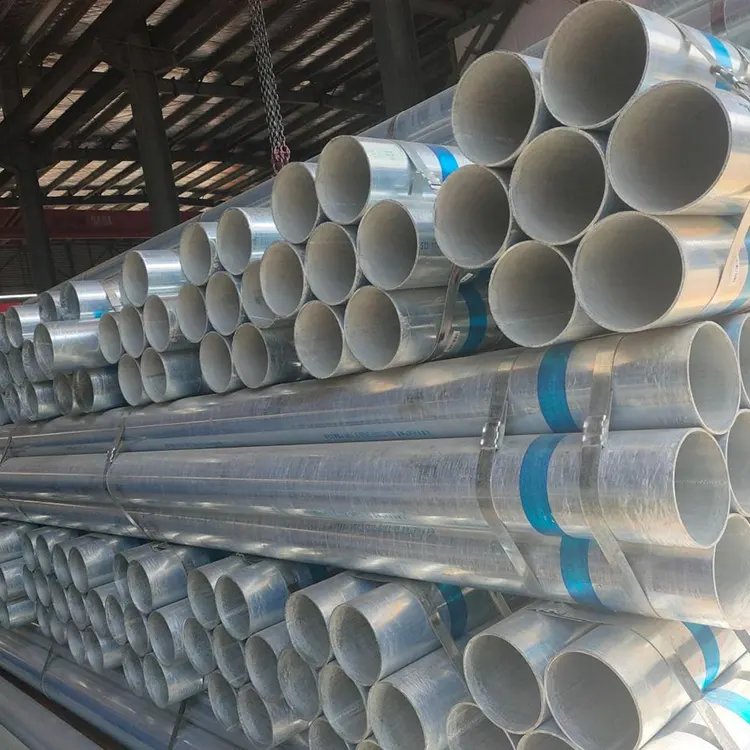
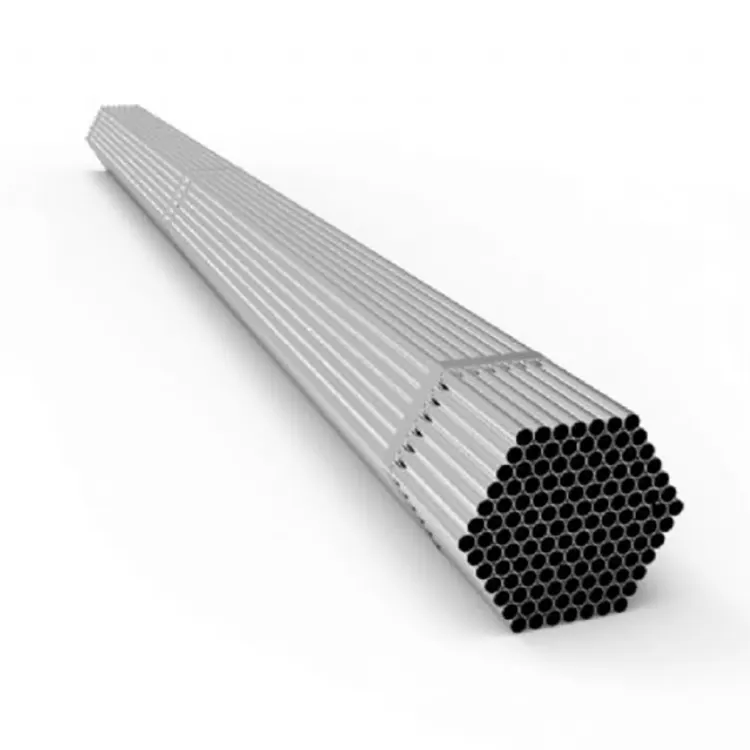
Pre galvanized round steel pipe is a type of steel tubing manufactured from steel strip or coil that has already received a zinc coating before the pipe-forming process. The coated steel is then shaped into a circular profile, welded along its longitudinal seam, and processed into the required lengths.
The zinc layer acts as a protective barrier between the steel substrate and the surrounding environment. It also provides sacrificial protection, meaning zinc can corrode preferentially to steel when exposed at small damaged areas, although the degree of protection depends on the coating condition and exposure environment.
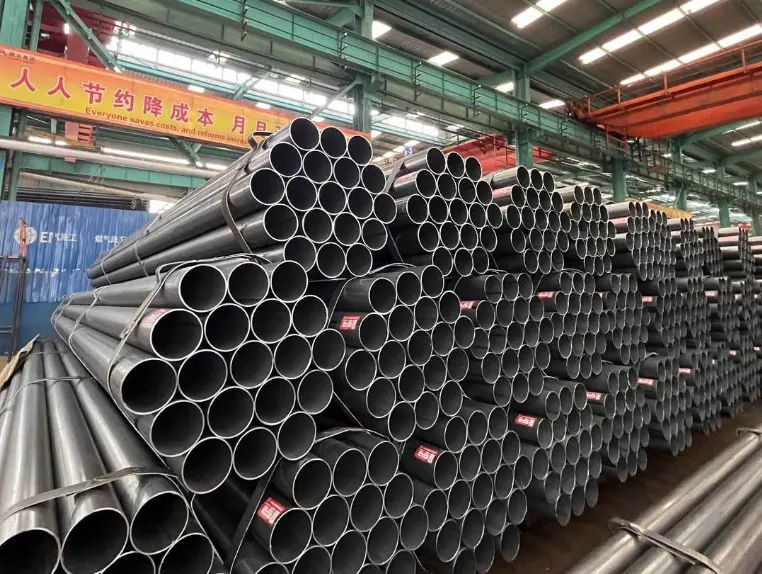
Unlike ordinary black steel pipe, which has no intentional metallic corrosion-resistant coating, pre galvanized pipe arrives with a protective zinc surface. This makes it particularly attractive for applications where manufacturers need consistent appearance, convenient fabrication, and moderate corrosion resistance without adding a separate galvanizing operation after forming.
Key Characteristics
- Round cross-section: Suitable for structural frameworks, tubular supports, and fluid or conduit-related applications when properly specified.
- Zinc-coated surface: Helps reduce direct exposure of the steel substrate to moisture and oxygen.
- Welded construction: Commonly produced using longitudinal electric resistance welding.
- Multiple dimensions: Available in different outside diameters, wall thicknesses, and lengths depending on manufacturing capabilities.
- Fabrication flexibility: Can be cut, drilled, bent, and assembled according to the coating condition and project requirements.
It is important to distinguish pre galvanized round steel pipe from seamless steel pipe and post-galvanized welded pipe. Their manufacturing processes, weld characteristics, coating coverage, and performance requirements are not identical. Buyers should always specify the intended product type instead of relying on the general term "galvanized steel pipe."
2. How Is Pre Galvanized Steel Pipe Manufactured?
Understanding the production process helps buyers identify potential quality issues and communicate more accurately with manufacturers. Although production equipment and individual procedures may vary, the typical manufacturing process involves several important stages.
Step 1: Selection of Steel Strip
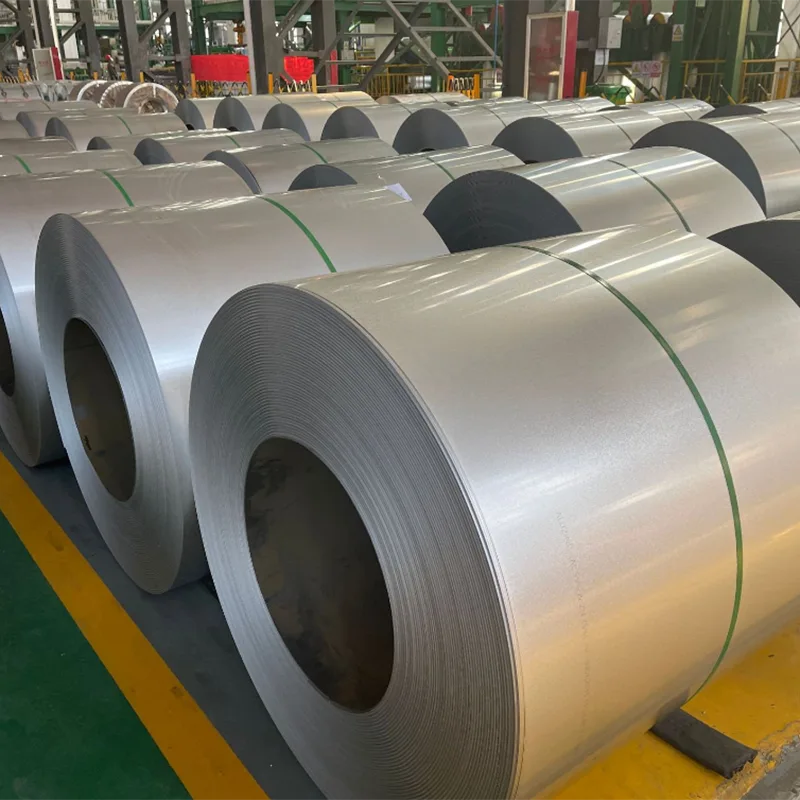
Production begins with selecting suitable steel strip or coil. The base material should meet the required chemical composition, mechanical properties, and thickness specifications. Material quality influences the pipe's strength, formability, weldability, and dimensional consistency.
Step 2: Pre-Galvanizing
The steel strip receives a zinc coating before pipe forming. In common continuous hot-dip galvanizing processes, the steel passes through a molten zinc bath under controlled conditions. The coating weight and surface quality depend on the production line, steel preparation, and process parameters.
Step 3: Slitting and Roll Forming
The galvanized strip is slit to the required width and fed through a series of forming rollers. Gradually, the flat strip becomes a circular tube with two edges positioned for longitudinal welding.
Step 4: Longitudinal Welding
The edges are joined, commonly through high-frequency electric resistance welding. The weld seam is a critical production area because heat and mechanical processing can affect the original zinc coating near the joint.
Step 5: Sizing and Straightening
After welding, sizing equipment adjusts the outside diameter and roundness. Straightening processes help ensure that the finished pipe meets dimensional and appearance requirements.
Step 6: Cutting and Inspection
The pipe is cut into specified lengths, and finished products undergo dimensional, surface, and other required inspections before packaging and delivery.
3. What Are the Main Advantages of Pre Galvanized Round Steel Pipe?
Pre galvanized round steel pipe offers several practical benefits, particularly in projects that require economical steel tubing with a protective metallic surface.
3.1 Improved Corrosion Protection
The zinc coating provides a barrier that slows the corrosion of the underlying steel. Zinc also offers sacrificial protection at small exposed areas. This makes pre galvanized pipe more suitable than untreated black steel pipe for many indoor and moderately exposed environments.
However, corrosion resistance is not unlimited. Humidity, salt spray, industrial pollutants, standing water, and mechanical damage can accelerate zinc consumption. The expected service life should therefore be evaluated according to actual environmental conditions and coating specifications.
3.2 Consistent Surface Appearance
Because the steel strip is galvanized before forming, manufacturers can produce pipes with a relatively uniform zinc-coated appearance. This is valuable for products where the pipe remains visible, such as furniture frames, display structures, and light-duty architectural components.
3.3 Convenient Manufacturing and Processing
Pre galvanized materials are suitable for various manufacturing operations, including cutting, drilling, welding, and assembly. Their availability in standardized sizes can also simplify production planning and inventory management.
Nevertheless, cutting and welding may expose the underlying steel. Appropriate repair coatings or other specified corrosion-protection measures may be necessary after fabrication.
3.4 Cost-Effective Production
For many standard applications, pre galvanized pipe can reduce the need for a separate post-fabrication galvanizing process. This may shorten production lead times and lower processing costs, especially for high-volume orders.
The actual cost advantage depends on the required zinc coating, pipe dimensions, production quantity, additional finishing, and transportation arrangements.
3.5 Versatile Application Potential
Its combination of a circular profile, steel strength, and zinc-coated surface makes this product useful across multiple industries. Buyers can source different diameters and wall thicknesses to suit structural, manufacturing, and general industrial requirements.
4. Where Is Pre Galvanized Round Steel Pipe Used?
The product is used in a broad range of applications. Its suitability depends on mechanical loading, environmental exposure, dimensional requirements, and applicable industry standards.
Construction and Building Frameworks
Pre galvanized round steel pipe is commonly considered for lightweight frameworks, protective barriers, handrail components, supports, and non-critical structural assemblies. It can provide a practical combination of strength and surface protection for indoor and appropriately designed outdoor projects.
Furniture and Interior Manufacturing
Furniture manufacturers use round steel tubing for chair frames, table legs, shelving systems, display racks, and decorative structures. Its smooth metallic finish and range of available dimensions make it suitable for products that require both appearance and functional durability.
Agricultural Facilities
Depending on the coating specification and environmental conditions, pre galvanized pipe can be used in greenhouse frameworks, plant supports, fencing components, and agricultural equipment. Buyers should pay particular attention to moisture, fertilizers, cleaning chemicals, and other corrosive substances in agricultural environments.
Industrial Equipment and Machinery
Industrial manufacturers may use galvanized round tubing for equipment frames, protective guards, brackets, support assemblies, and other fabricated components. Wall thickness and mechanical properties should be selected according to the actual loads and operating conditions.
Electrical and General Infrastructure
Some projects use galvanized round steel tubing for cable protection, support structures, and utility-related installations. However, buyers must verify the relevant electrical conduit standards and product certifications. A general galvanized steel pipe should not automatically be treated as a compliant electrical conduit.
| Application | Common Requirements | Important Considerations |
|---|---|---|
| Construction frameworks | Strength, dimensions, weld quality | Load capacity and structural standards |
| Furniture manufacturing | Appearance, smooth surface, workability | Cutting, bending, and coating protection |
| Agricultural facilities | Corrosion resistance, dimensional stability | Humidity and chemical exposure |
| Industrial equipment | Mechanical properties and consistency | Operating loads and fabrication methods |
| Infrastructure supports | Durability and dimensional accuracy | Environmental exposure and installation standards |
5. Which Specifications Should Buyers Consider?
Choosing the correct specification is one of the most important steps in purchasing pre galvanized round steel pipe. A pipe that looks suitable may still fail to meet project requirements if its wall thickness, coating weight, or dimensional tolerance is incorrect.
5.1 Outside Diameter
Outside diameter determines how the pipe connects with other components and influences its overall structural characteristics. Common applications require different diameter ranges, so buyers should provide exact measurements rather than simply requesting small, medium, or large pipes.
5.2 Wall Thickness
Wall thickness directly affects the pipe's weight, stiffness, strength, and material consumption. Thicker walls are not automatically better for every project. The correct thickness should be determined by the intended load, installation method, and engineering design.
5.3 Pipe Length
Standard commercial lengths are often available, while customized cutting may be possible for specific orders. Confirm the required length tolerance, end condition, and packaging method before production.
5.4 Zinc Coating Weight
The coating specification is a major factor in corrosion performance. Buyers should clarify whether the supplier quotes zinc coating mass per unit area, coating thickness, or another defined measurement. These values should not be treated as interchangeable without considering the relevant test method and standard.
5.5 Steel Grade and Applicable Standards
The base steel grade determines important material properties. Depending on the market and application, relevant specifications may include ASTM, EN, or other national and industry standards.
Not every pre galvanized round steel pipe automatically complies with every galvanized tube standard. Buyers should request the exact standard designation and confirm that the manufacturing process and inspection requirements match the intended application.
| Specification | What to Confirm | Why It Matters |
|---|---|---|
| Outside diameter | Nominal size and tolerance | Ensures correct fitting and assembly |
| Wall thickness | Nominal thickness and tolerance | Affects strength and weight |
| Length | Standard or customized dimensions | Reduces cutting waste and installation problems |
| Steel grade | Material designation and properties | Supports mechanical performance requirements |
| Zinc coating | Coating mass or thickness and test method | Helps evaluate corrosion protection |
| Manufacturing standard | Applicable specification and edition | Defines product and inspection requirements |
| Surface condition | Appearance and permissible defects | Influences fabrication and final appearance |
6. Pre Galvanized vs. Hot Dip Galvanized Steel Pipe
One of the most common purchasing questions concerns the difference between pre galvanized and hot dip galvanized steel pipe. Although both use zinc to protect steel, their production sequences and coating characteristics differ.
Pre galvanized pipe is formed from steel strip that has been galvanized before tube manufacturing. In contrast, conventional post-fabrication hot dip galvanized pipe is generally formed first and then immersed in molten zinc, allowing the coating to cover the external surface and, where the design and process permit, the internal surface as well.
| Comparison Factor | Pre Galvanized Pipe | Post-Fabrication Hot Dip Galvanized Pipe |
|---|---|---|
| Coating sequence | Before pipe forming | After pipe fabrication |
| Surface appearance | Often relatively smooth and uniform | May have a thicker or less uniform appearance |
| Weld seam | Heat-affected area may require attention | Can receive zinc coating during post-fabrication treatment |
| Coating characteristics | Determined by the galvanized strip specification | Determined by the post-fabrication galvanizing process |
| Typical applications | Furniture, indoor frameworks, light industrial uses | Outdoor structures and more demanding exposure conditions when properly specified |
| Processing considerations | Cutting and welding can expose steel | Fabrication generally precedes galvanizing |
Neither option is universally superior. The right choice depends on the expected service environment, required coating thickness, product design, fabrication sequence, and total project budget.
For highly corrosive environments, coastal installations, or applications involving frequent chemical exposure, buyers should evaluate coating requirements carefully. A more substantial zinc coating, an additional protective paint system, or another corrosion-resistant material may be necessary.
7. How Can Buyers Evaluate Pre Galvanized Round Steel Pipe Quality?
Quality inspection should cover more than visual appearance. A professional purchasing process evaluates material traceability, dimensional consistency, coating condition, weld integrity, and compliance with the agreed specifications.
7.1 Check Dimensional Accuracy
Use appropriate measuring instruments to verify outside diameter, wall thickness, length, and straightness. Measurements should follow the relevant product standard and agreed sampling plan.
7.2 Inspect the Zinc-Coated Surface
Look for excessive bare areas, peeling, severe scratches, uneven coating, and other defects that exceed the acceptance criteria. Minor visual variations may occur during manufacturing, but significant coating damage should be investigated.
7.3 Examine the Weld Seam
Since most pre galvanized round steel pipes are welded products, the longitudinal seam deserves special attention. Buyers should confirm that welding quality meets the specified requirements and that there are no unacceptable cracks, incomplete fusion, or other relevant defects.
7.4 Request Material Documentation
Depending on the order and applicable standard, buyers may request material test certificates, inspection reports, coating test results, and product conformity documentation. The documents should be traceable to the supplied batch whenever required.
7.5 Confirm Testing Methods
Testing methods should be agreed before production. Different standards may define different procedures for mechanical testing, coating evaluation, and dimensional inspection.
- Confirm the steel grade and raw material specification.
- Verify outside diameter, wall thickness, and length.
- Check coating requirements and measurement methods.
- Inspect weld seam quality and surface condition.
- Review applicable inspection reports and certificates.
- Confirm batch identification and packaging information.
For large-volume orders or critical projects, third-party inspection can provide an additional level of confidence before shipment.
8. Common Purchasing Mistakes and How to Avoid Them
Even experienced buyers can encounter problems when product descriptions are incomplete or quality expectations are not clearly communicated. The following mistakes are particularly important to avoid.
Mistake 1: Comparing Prices Without Comparing Specifications
Two suppliers may quote the same nominal pipe diameter but offer different wall thicknesses, steel grades, coating weights, or tolerance levels.
Solution: Use one standardized specification sheet when requesting quotations. Compare equivalent products rather than relying on price per ton alone.
Mistake 2: Assuming All Galvanized Pipes Have the Same Corrosion Resistance
Pre galvanized and post-fabrication hot dip galvanized products have different coating processes. Their performance can vary significantly according to coating characteristics and exposure conditions.
Solution: Specify the required coating and evaluate the service environment before selecting the product.
Mistake 3: Ignoring Post-Fabrication Coating Damage
Cutting, drilling, and welding can damage the protective zinc layer. If the exposed areas are not properly addressed, localized corrosion may occur.
Solution: Establish a suitable repair procedure using compatible zinc-rich coatings or other approved protective systems when required by the project specification.
Mistake 4: Overlooking Packaging and Transportation
Steel pipes may suffer from scratches, deformation, or moisture-related problems during handling and shipping.
Solution: Confirm bundling, end protection, loading arrangements, moisture control, and marking requirements before dispatch.
Mistake 5: Failing to Confirm Delivery Details
Unclear lead times, production schedules, and shipping arrangements can disrupt construction or manufacturing plans.
Solution: Confirm order quantity, production lead time, inspection dates, delivery terms, and shipment documentation in the purchase agreement.
9. How to Choose a Reliable Steel Pipe Supplier
Finding a suitable supplier is not simply about locating the lowest quotation. Buyers should consider manufacturing capability, specification control, quality assurance, communication efficiency, and delivery reliability.
Evaluate Manufacturing Experience
Look for suppliers with relevant experience in galvanized steel products and a clear understanding of different pipe specifications. Ask about production equipment, manufacturing procedures, and the range of available dimensions.
Review Product and Quality Control Capabilities
A dependable supplier should be able to explain its inspection procedures, material sourcing arrangements, and quality documentation. For customized requirements, confirm whether the supplier can maintain consistent specifications across repeat orders.
Confirm Customization Options
Different projects may require specific diameters, wall thicknesses, cutting lengths, surface treatments, or packaging configurations. Confirm these capabilities before placing an order, particularly when the requested specifications are outside standard inventory ranges.
Assess Communication and Export Experience
International buyers should pay attention to response speed, quotation clarity, export documentation, packing arrangements, and shipping coordination. Clear communication helps prevent specification misunderstandings and unexpected costs.
Work with a Supplier That Understands Your Application
Tianjin Shixinda Steel Sales Co., Ltd. is a steel sales company serving buyers looking for steel products and supply solutions. When evaluating a potential supplier, customers should communicate their intended applications, technical specifications, quality expectations, and delivery requirements to determine whether the proposed product meets their project needs.
Before confirming an order, buyers are encouraged to request detailed product specifications, available quality documentation, and a clear quotation covering the agreed supply conditions.
- Relevant steel product supply experience
- Clear product specifications and quotation details
- Consistent quality inspection procedures
- Ability to meet required dimensions and coating specifications
- Transparent production and delivery schedules
- Professional export and packaging support
- Responsive communication and after-sales coordination
10. Frequently Asked Questions About Pre Galvanized Round Steel Pipe
Q1: What does pre galvanized mean in steel pipe production?
Pre galvanized means that the steel strip receives a zinc coating before it is formed into a pipe. The galvanized strip is subsequently shaped, welded, sized, and cut into finished round steel pipes.
Q2: Is pre galvanized round steel pipe suitable for outdoor use?
It can be used in certain outdoor applications, provided that its coating specification and expected service life are suitable for the environment. Highly corrosive conditions, coastal exposure, and frequent chemical contact may require additional protection or a different galvanizing solution.
Q3: Does pre galvanized steel pipe have a welded seam?
Most commercially available pre galvanized round steel pipes are manufactured from galvanized steel strip using longitudinal welding. The weld area should be inspected because the forming and welding process can affect the original zinc coating.
Q4: Can pre galvanized round steel pipe be welded?
Yes. It can be welded using suitable procedures and equipment. However, heating galvanized steel can produce zinc oxide fumes, which present occupational health risks. Welding should be performed by trained personnel with effective ventilation, appropriate respiratory protection, and suitable safety procedures. The damaged coating should also be repaired when required.
Q5: How long does pre galvanized steel pipe last?
There is no universal service-life figure. Durability depends on zinc coating mass, environmental exposure, moisture, pollutants, installation conditions, and maintenance. A reliable estimate requires evaluating the actual application and corrosion environment.
Q6: What is the difference between zinc coating thickness and coating weight?
Coating thickness describes the physical thickness of the zinc layer, while coating weight describes the mass of zinc per unit area. They are related but are not identical measurements. Buyers should specify the applicable test method and standard when requesting coating data.
Q7: Can pre galvanized round steel pipe be painted?
Yes. Galvanized steel can be painted when the surface is properly prepared and a compatible coating system is selected. Surface cleaning, pretreatment, and primer compatibility are important for achieving good paint adhesion and long-term performance.
Q8: What information should I provide when requesting a quotation?
Provide the outside diameter, wall thickness, pipe length, steel grade, zinc coating requirement, applicable standard, order quantity, packaging requirements, and delivery destination. Drawings or technical specifications are helpful for customized projects.
Q9: Is pre galvanized pipe suitable for water transportation?
Not automatically. Suitability depends on the pipe's applicable product standard, internal coating condition, water quality, regulatory requirements, and intended service. Buyers should confirm potable-water or other fluid-contact approvals where relevant rather than assuming that a general pre galvanized pipe is suitable.
Q10: How can I reduce the purchasing cost of galvanized round steel pipe?
Provide accurate specifications, optimize pipe dimensions according to engineering requirements, consolidate order quantities where practical, and compare quotations based on equivalent materials and coating requirements. Planning transportation and packaging in advance can also help reduce total procurement costs.
11. Final Thoughts: Making the Right Purchasing Decision
Pre galvanized round steel pipe is a practical material solution for many construction, furniture, agricultural, and industrial applications. Its zinc-coated surface, versatile dimensions, and convenient manufacturing process make it an attractive option for buyers who need a balance of corrosion protection, fabrication flexibility, and cost efficiency.
However, successful procurement requires more than selecting a nominal diameter and comparing supplier prices. Buyers should evaluate steel grade, wall thickness, zinc coating specifications, weld quality, dimensional tolerances, and the actual operating environment.
By defining technical requirements clearly, checking quality documentation, and working with a supplier that understands the intended application, businesses can reduce purchasing risks and obtain steel pipe products that better match their project requirements.
Looking for a Reliable Steel Pipe Supply Partner?
Choosing the right pre galvanized round steel pipe starts with accurate specifications and dependable product supply. Tianjin Shixinda Steel Sales Co., Ltd. welcomes inquiries from buyers seeking steel products for construction, manufacturing, and industrial applications.
Have questions about dimensions, material grades, coating requirements, or bulk purchasing? Contact us to discuss your project requirements and explore a suitable steel supply solution.