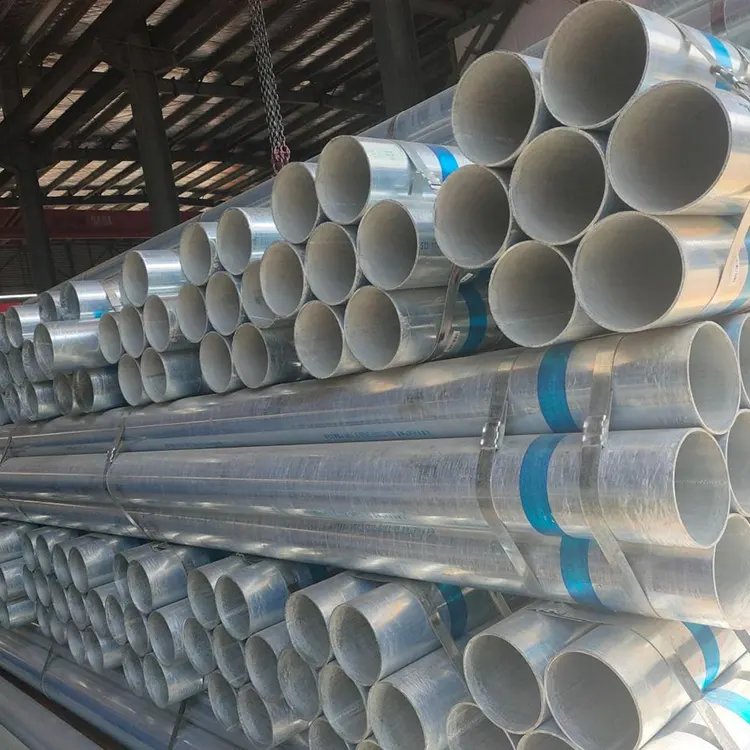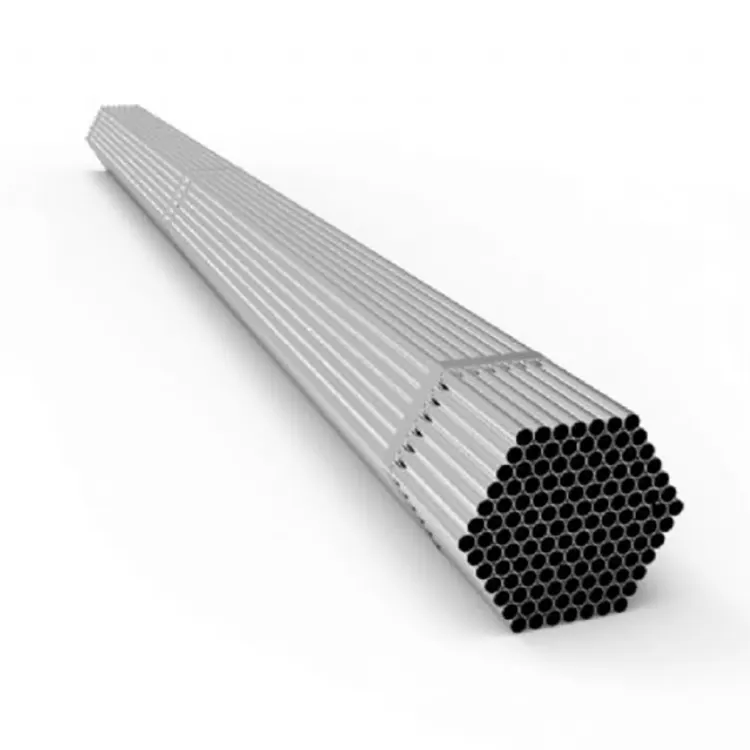
Galvanized steel pipe is widely used in construction, infrastructure, water distribution, agricultural systems, and industrial projects because of its protective zinc coating and dependable mechanical properties. However, selecting the right pipe involves more than comparing prices and dimensions. Buyers must understand galvanizing processes, coating quality, material specifications, corrosion resistance, and application requirements. This guide explains how galvanized steel pipes are manufactured, what advantages they offer, how to evaluate product quality, and which factors matter when purchasing from a reliable supplier. It also explores practical considerations for installation, maintenance, and long-term performance.
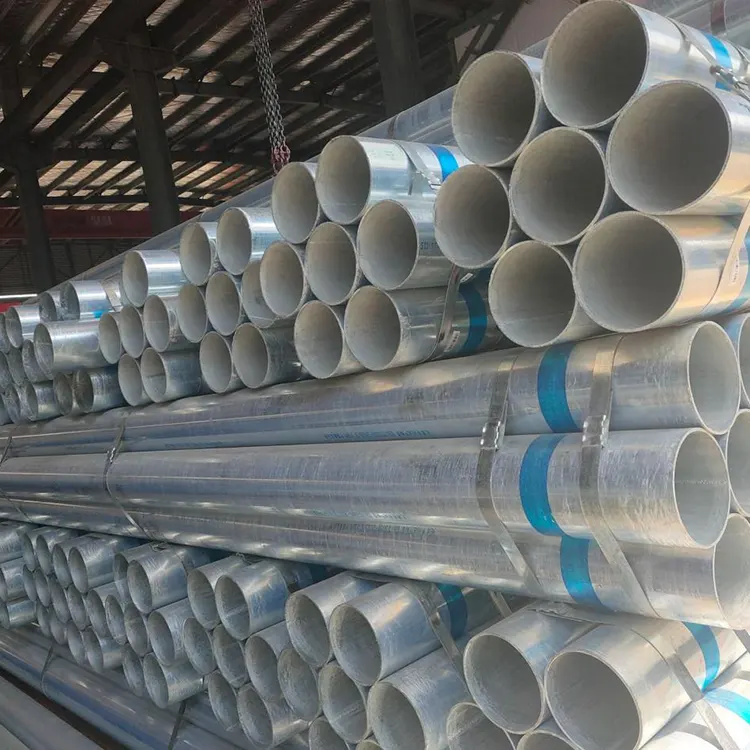
Table of Contents
- Understanding Galvanized Steel Pipe
- How Is Galvanized Steel Pipe Manufactured?
- Key Advantages of Galvanized Steel Pipe
- Common Applications Across Different Industries
- Different Types of Galvanized Steel Pipe
- Galvanized Steel Pipe vs. Other Pipe Materials
- How to Evaluate Galvanized Steel Pipe Quality
- How to Choose the Right Galvanized Steel Pipe
- Installation and Maintenance Considerations
- What Makes a Reliable Galvanized Steel Pipe Supplier?
- Frequently Asked Questions
- Final Thoughts
1. Understanding Galvanized Steel Pipe
Steel pipes are essential components in modern infrastructure and industrial development. They transport fluids, support structural frameworks, protect electrical systems, and connect equipment across a wide range of applications. Nevertheless, ordinary carbon steel can be vulnerable to corrosion when exposed to moisture, oxygen, chemicals, and changing environmental conditions.
Galvanized steel pipe addresses this challenge through a protective zinc coating applied to the steel surface. The zinc layer acts as a physical barrier between the steel and its surrounding environment. It also provides sacrificial protection, meaning zinc can corrode preferentially to protect exposed steel in certain conditions.
This combination of structural strength and corrosion protection makes galvanized steel pipe a practical material for projects where durability, installation efficiency, and reasonable maintenance costs are important.
What Is the Main Difference Between Galvanized and Ordinary Steel Pipe?
The primary difference lies in surface protection. Ordinary carbon steel pipe generally requires additional protective treatments, such as painting or specialized coatings, to reduce corrosion. Galvanized steel pipe already has a zinc coating designed to provide corrosion resistance.
However, the performance of galvanized products depends on several factors, including coating thickness, surface preparation, environmental exposure, and manufacturing consistency. Galvanization does not make steel completely immune to corrosion, so selecting an appropriate product remains essential.
2. How Is Galvanized Steel Pipe Manufactured?
The manufacturing process directly influences the protective performance and service life of galvanized steel pipe. Understanding the production stages helps buyers evaluate suppliers and identify potential quality issues.
Step 1: Steel Pipe Production
The process begins with suitable steel raw materials. Depending on the manufacturing method, steel strips or plates are processed into tubular shapes through forming and welding, or seamless steel pipes are produced using specialized hot-working processes.
Key production considerations include material composition, wall thickness, dimensional accuracy, and weld integrity where applicable.
Step 2: Surface Preparation
Before galvanizing, the steel surface must be properly prepared. Common preparation stages include:
- Degreasing: Removes oil, grease, and other organic contaminants.
- Pickling: Uses an appropriate acid solution to remove rust and mill scale.
- Rinsing: Removes residual chemicals from the pipe surface.
- Fluxing: Helps prepare the steel surface for effective zinc coating formation in hot-dip galvanizing.
Incomplete surface preparation may result in uneven coating, bare spots, or poor adhesion.
Step 3: Zinc Coating Application
Hot-dip galvanizing is a widely used method for producing galvanized steel pipe. In this process, prepared steel is immersed in molten zinc, allowing metallurgical reactions to form zinc-iron alloy layers with an outer zinc layer.
The resulting coating provides both barrier protection and sacrificial corrosion protection. Coating thickness and uniformity depend on factors such as steel composition, immersion conditions, bath temperature, and withdrawal speed.
Step 4: Cooling and Quality Inspection
After coating, the pipes are cooled and inspected. Depending on the product specification, quality checks may cover:
- Zinc coating thickness and uniformity.
- Outer diameter and wall thickness.
- Pipe length and straightness.
- Surface appearance and coating defects.
- Mechanical properties and relevant test results.
These inspections help ensure that the finished product meets the requirements of its intended application.
3. Key Advantages of Galvanized Steel Pipe
Galvanized steel pipe remains popular because it combines the mechanical properties of steel with an additional protective coating. Its benefits can be especially valuable for projects involving outdoor exposure, structural support, and general industrial use.
3.1 Improved Corrosion Resistance
The zinc coating helps protect steel against moisture and oxygen. If minor scratches expose the underlying steel, the surrounding zinc can provide sacrificial protection under suitable conditions.
This characteristic is particularly useful in environments where ordinary untreated steel would otherwise require frequent protective maintenance.
3.2 Strong Mechanical Performance
Galvanized steel pipe retains the mechanical characteristics of its underlying steel material. Depending on the grade and dimensions, it can provide the strength and rigidity needed for structural frameworks, equipment supports, and industrial installations.
3.3 Reduced Maintenance Requirements
Because the protective zinc layer provides corrosion resistance, galvanized pipes can reduce the need for frequent repainting or other surface treatments in suitable environments.
Actual maintenance requirements still depend on exposure conditions, installation quality, and the condition of the coating.
3.4 Wide Range of Applications
Galvanized steel pipe is available in different diameters, wall thicknesses, lengths, and manufacturing configurations. This flexibility makes it suitable for multiple industries and project requirements.
3.5 Practical Long-Term Value
Initial purchase price is only one part of total project cost. Buyers should also consider transportation, installation, corrosion protection, maintenance, replacement frequency, and expected service conditions.
For applications where its protective properties are appropriate, galvanized steel pipe can offer a competitive balance between initial investment and long-term performance.
4. Common Applications Across Different Industries
Different industries require steel pipes with specific mechanical, dimensional, and corrosion-resistance characteristics. Galvanized steel pipe serves many of these requirements when the operating environment is compatible with zinc coatings.
Construction and Structural Engineering
Galvanized steel pipes are frequently used in construction projects for scaffolding components, guardrails, fencing, support structures, and other steel framework applications.
The protective coating helps reduce corrosion during outdoor storage and service, while the steel substrate provides structural strength.
Water Supply and Plumbing Systems
Galvanized pipes have historically been used in water distribution and plumbing installations. However, their suitability for modern drinking-water systems depends on local regulations, water chemistry, and project requirements. Aging galvanized pipes may develop internal corrosion and mineral buildup, so alternatives are often preferred in new potable-water installations.
Agriculture and Irrigation
Agricultural operations use galvanized steel pipe in irrigation infrastructure, greenhouse frameworks, livestock fencing, and water distribution equipment. Its protective coating can be beneficial in outdoor environments, although fertilizer exposure, soil contact, and water chemistry should be considered.
Industrial Equipment and Manufacturing
Factories and industrial facilities may use galvanized steel pipes for equipment supports, protective enclosures, ventilation structures, and selected fluid-handling applications.
Transportation and Infrastructure
Galvanized steel products can also be found in roadside barriers, traffic equipment supports, utility structures, and infrastructure installations where suitable mechanical and corrosion-resistance properties are required.
5. Different Types of Galvanized Steel Pipe
Galvanized steel pipes can be classified according to their manufacturing methods, dimensions, connection configurations, and intended uses.
Hot-Dip Galvanized Steel Pipe
Hot-dip galvanized steel pipe is coated by immersion in molten zinc. This process forms a metallurgically bonded protective coating and is widely used for products requiring durable corrosion protection.
It is commonly selected for outdoor structures, construction components, fencing, and various industrial applications.
Pre-Galvanized Steel Pipe
Pre-galvanized pipe is generally manufactured from steel strip that has been galvanized before being formed into a tube. This approach can provide an efficient manufacturing process and consistent coating on the original strip surface.
However, formed edges and welded areas may require additional consideration depending on the manufacturing process and applicable specification.
Welded Galvanized Steel Pipe
Welded galvanized steel pipes are produced from formed steel strips or plates joined through welding, with galvanizing performed either before or after tube formation. They are widely available in different sizes and are used in construction and general industrial applications.
Galvanized Seamless Steel Pipe
Seamless steel pipes are manufactured without a longitudinal welded seam. When a galvanized finish is required, the pipe can undergo an appropriate galvanizing process. These products may be considered for applications with specific pressure, mechanical, or manufacturing requirements.
6. Galvanized Steel Pipe vs. Other Pipe Materials
Choosing the right pipe material requires an understanding of the operating environment, performance expectations, installation conditions, and overall budget. The following table provides a general comparison.
| Pipe Material | Corrosion Resistance | Strength | Typical Considerations |
|---|---|---|---|
| Galvanized Steel Pipe | Good in suitable environments | Generally high | Zinc protection, broad structural applications, regular inspection where necessary |
| Black Steel Pipe | Limited without additional protection | Generally high | Often requires painting or another corrosion-control system |
| Stainless Steel Pipe | Generally high, depending on grade | Varies by grade | Suitable for many demanding environments, but usually has a higher initial cost |
| PVC Pipe | Excellent resistance to many chemicals | Lower structural strength than steel | Lightweight and useful for compatible fluid systems |
| HDPE Pipe | Excellent resistance to many corrosive substances | Flexible rather than rigid | Commonly used in water distribution and underground piping |
No single material is ideal for every project. Galvanized steel pipe may be a practical choice where steel strength and zinc protection are both valuable. Stainless steel may be more suitable for certain aggressive environments, while plastic pipes can be preferable for specific chemical, water, or underground applications.
What Should Buyers Consider Before Comparing Prices?
- Are the materials manufactured to the same specification?
- Do the pipes have comparable outer diameters and wall thicknesses?
- Is the zinc coating thickness specified and verified?
- Are mechanical properties and test requirements equivalent?
- Do packaging, transportation, and delivery terms differ?
Comparing products on an equivalent technical basis helps buyers avoid selecting a lower-priced pipe that does not meet the actual project requirements.
7. How to Evaluate Galvanized Steel Pipe Quality
Quality evaluation is one of the most important stages in purchasing galvanized steel pipe. A product may appear acceptable from the outside while still having problems with dimensions, coating consistency, or material properties.
Check Applicable Standards
Buyers should confirm which technical standard applies to their project. Common standards that may be relevant include:
- ASTM A53/A53M: Covers pipe specifications for black and hot-dipped, zinc-coated, welded and seamless steel pipe in applicable grades and types.
- ASTM A123/A123M: Covers zinc coatings on iron and steel products, including relevant fabricated products.
- ASTM A153/A153M: Covers zinc coating on iron and steel hardware.
- EN 10240: Addresses internal and/or external protective coatings for steel tubes through automatic hot-dip galvanizing.
These standards have different scopes. Buyers should not assume that one standard automatically covers every aspect of pipe manufacture and galvanizing. The purchase specification should clearly identify the required material standard, coating requirements, and inspection criteria.
Inspect Zinc Coating Thickness
Zinc coating thickness is an important factor in corrosion protection. The required coating level depends on the applicable standard, product category, steel thickness, and intended operating environment.
Coating measurements can be performed using suitable magnetic or other approved thickness-testing methods. Buyers should request inspection records when coating performance is a critical project requirement.
Examine Surface Condition
Visual inspection can help identify obvious coating defects, including:
- Bare areas or uncoated sections.
- Excessive zinc buildup or irregular deposits.
- Visible peeling or damaged coating.
- Significant dents, cracks, or deformation.
- Rust spots and contamination.
Some surface variations may be permitted under particular standards, so acceptance should be based on the agreed specification rather than appearance alone.
Verify Dimensions and Mechanical Properties
Outer diameter, wall thickness, length, straightness, and other dimensional characteristics should be checked against the purchase order. Mechanical properties, such as tensile strength and yield strength, should also comply with the specified steel grade.
Request Quality Documentation
For industrial and construction projects, buyers may request:
- Material test certificates.
- Dimensional inspection reports.
- Zinc coating thickness test results.
- Applicable conformity or inspection documents.
- Batch identification and traceability records.
Complete documentation helps project managers verify product consistency and maintain purchasing records.
8. How to Choose the Right Galvanized Steel Pipe
Choosing the correct galvanized steel pipe requires a structured purchasing process. Buyers should start with actual operating conditions rather than selecting products based solely on commonly available sizes.
Step 1: Define the Application
Identify whether the pipe will be used for structural support, fencing, water distribution, equipment installation, or another purpose. Each application may have different requirements for pressure, mechanical loading, corrosion exposure, and service life.
Step 2: Confirm Dimensions
Specify the required pipe dimensions, including:
- Nominal pipe size or outside diameter.
- Wall thickness or schedule where applicable.
- Pipe length and length tolerance.
- End type, such as plain ends, threaded ends, or grooved ends.
It is important to distinguish nominal pipe size from actual outside diameter. They are not necessarily identical.
Step 3: Select the Appropriate Material Grade
The steel grade should be selected according to the required mechanical properties and relevant industry standard. For pressure-related or structural applications, this decision should be based on engineering requirements rather than general assumptions.
Step 4: Specify Galvanizing Requirements
Clarify whether the project requires hot-dip galvanizing or pre-galvanized material. Specify coating requirements, inspection methods, and any additional requirements for cut ends, threaded areas, or repaired surfaces.
Step 5: Evaluate Supplier Capabilities
Before placing an order, review the supplier's product range, production or sourcing capabilities, quality inspection procedures, export experience, packaging methods, and delivery arrangements.
Step 6: Compare Total Purchasing Costs
Consider the complete cost rather than the quoted unit price alone. Freight, packaging, loading, customs requirements, inspection, and delivery schedules can all influence the final procurement budget.
9. Installation and Maintenance Considerations
Even high-quality galvanized steel pipe can experience premature deterioration if it is improperly stored, installed, or maintained. Good handling practices help preserve the protective coating and support long-term performance.
Proper Storage
- Store pipes in a dry, well-ventilated area whenever possible.
- Use suitable supports to prevent direct ground contact.
- Avoid prolonged storage in conditions that trap moisture between tightly stacked pipes.
- Protect products from contamination by chemicals and corrosive materials.
Careful Handling and Installation
Use appropriate lifting equipment and avoid unnecessary impact, dragging, or friction that could damage the zinc coating. Where cutting, threading, welding, or other fabrication operations are necessary, follow suitable procedures and applicable safety requirements.
Damaged or exposed areas should be assessed and repaired using an appropriate method consistent with the applicable standard and project specification.
Routine Inspection
Inspection frequency should reflect environmental exposure and operating conditions. Particular attention should be given to joints, connections, areas exposed to standing water, and locations where mechanical damage may occur.
Consider Environmental Compatibility
Galvanized coatings can deteriorate faster in certain aggressive environments, including prolonged exposure to highly acidic or alkaline conditions, some chemical solutions, and environments with persistent moisture and poor ventilation.
For buried installations, marine exposure, and specialized industrial applications, engineers should evaluate soil conditions, water chemistry, coating requirements, and alternative corrosion-protection systems.
10. What Makes a Reliable Galvanized Steel Pipe Supplier?
Finding a suitable supplier is as important as choosing the right product. International buyers need a business partner that can understand technical requirements, provide consistent products, and coordinate orders efficiently.
Product Knowledge and Specification Support
A capable supplier should understand different steel grades, pipe dimensions, manufacturing processes, and galvanizing requirements. This knowledge helps buyers identify products that match their project specifications.
Quality Control and Documentation
Reliable suppliers should be able to explain their inspection procedures and provide relevant product documentation. Clear quality records make it easier to evaluate product consistency and manage project risks.
Flexible Supply Capabilities
Construction and industrial buyers may have different order quantities, packaging preferences, and delivery schedules. Suppliers with suitable sourcing and coordination capabilities can help accommodate these requirements.
Export Experience and Communication
International procurement involves more than manufacturing. Packaging, shipping arrangements, customs documentation, and communication across different time zones can all affect delivery performance.
Working with a supplier familiar with international steel trading can help simplify these processes.
Why Consider Tianjin Shixinda Steel Sales Co., Ltd.?
For buyers sourcing steel products from China, Tianjin Shixinda Steel Sales Co., Ltd. is a company worth considering when evaluating galvanized steel pipe supply options.
When assessing a potential purchasing partner, buyers should communicate their specific requirements and confirm product availability, material specifications, galvanizing details, quality documentation, and delivery arrangements directly with the supplier.
A clear quotation and technical confirmation before order placement can help reduce misunderstandings and support smoother international procurement.
11. Frequently Asked Questions About Galvanized Steel Pipe
Q1: What is galvanized steel pipe mainly used for?
Galvanized steel pipe is commonly used in construction, scaffolding, fencing, agricultural structures, equipment supports, and selected industrial applications. Its suitability depends on the required strength, dimensions, corrosion exposure, and applicable technical standards.
Q2: How long does galvanized steel pipe last?
Its service life varies significantly depending on zinc coating thickness, environmental conditions, installation quality, and maintenance. Pipes used in mild environments may last considerably longer than those exposed to aggressive chemicals, salt spray, or persistent moisture.
Q3: Is hot-dip galvanized steel pipe better than pre-galvanized pipe?
Neither option is universally better. Hot-dip galvanized pipe is often selected when a robust zinc coating is required on the finished product. Pre-galvanized pipe can be suitable for applications where its coating characteristics and fabrication process meet project requirements.
Q4: Does galvanized steel pipe rust?
Yes. Although zinc provides corrosion protection, it gradually deteriorates under environmental exposure. If the coating is consumed or significantly damaged, the underlying steel can eventually rust. Proper product selection and maintenance help reduce this risk.
Q5: Can galvanized steel pipe be welded?
Yes, galvanized steel pipe can be welded using suitable procedures. However, heating zinc coatings can generate hazardous zinc oxide fumes. Appropriate ventilation, personal protective equipment, and qualified welding procedures are essential. Coating restoration may also be necessary after welding.
Q6: Is galvanized steel pipe suitable for drinking water?
Its suitability depends on local drinking-water regulations, water chemistry, pipe condition, and installation requirements. Older galvanized plumbing can develop corrosion and internal deposits. Buyers should confirm regulatory compliance and consider approved alternatives for new potable-water systems.
Q7: What information should I provide when requesting a quotation?
Provide the pipe diameter, wall thickness, length, steel grade, manufacturing type, galvanizing requirements, quantity, applicable standard, end finish, packaging preferences, and delivery destination. Drawings or technical specifications are helpful for customized requirements.
Q8: How can I check the zinc coating quality?
Coating quality can be evaluated through appropriate thickness measurements, visual inspections, and other tests required by the relevant standard. Requesting inspection reports and traceability documentation can provide additional confidence.
Q9: What factors affect the price of galvanized steel pipe?
Prices are influenced by raw material costs, steel grade, diameter, wall thickness, galvanizing method, zinc coating requirements, order quantity, processing, packaging, and transportation. Comparing quotations with equivalent specifications provides a more meaningful assessment.
Q10: Can galvanized steel pipes be customized?
Depending on supplier capabilities, galvanized steel pipes may be available in different diameters, wall thicknesses, lengths, end configurations, and packaging options. Buyers should confirm customization possibilities and minimum order requirements before placing an order.
12. Final Thoughts
Galvanized steel pipe remains an important material for construction, infrastructure, agriculture, and industrial projects because it combines the strength of steel with the protective benefits of zinc coating.
However, achieving reliable performance requires more than choosing a galvanized product based on its appearance or initial price. Buyers should carefully assess manufacturing methods, coating thickness, material grades, dimensional tolerances, applicable standards, and environmental compatibility.
Equally important is selecting a supplier that understands technical specifications, provides appropriate quality documentation, and communicates clearly throughout the procurement process.
By considering these factors before purchasing, project managers, contractors, wholesalers, and industrial buyers can make better-informed decisions and obtain galvanized steel pipe that meets their practical requirements.
Looking for a Reliable Galvanized Steel Pipe Supply Partner?
Choosing the right steel pipe is an important step toward achieving dependable project performance and controlling long-term procurement costs. Tianjin Shixinda Steel Sales Co., Ltd. welcomes inquiries from international buyers, distributors, contractors, and industrial procurement teams.
Share your required dimensions, material specifications, quantities, and application details to discuss suitable product options and supply arrangements.
Contact us today to discuss your galvanized steel pipe requirements and explore a suitable steel supply solution for your next project.