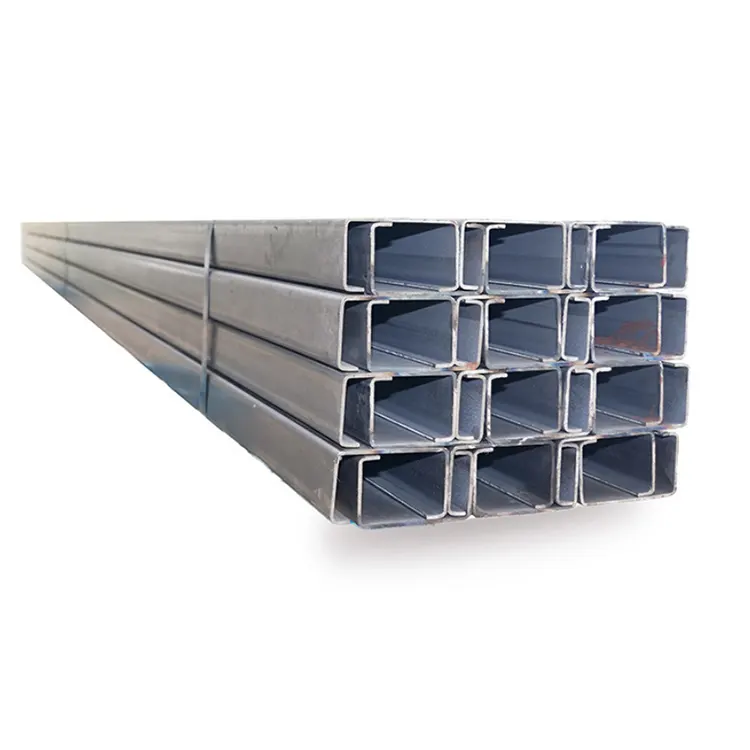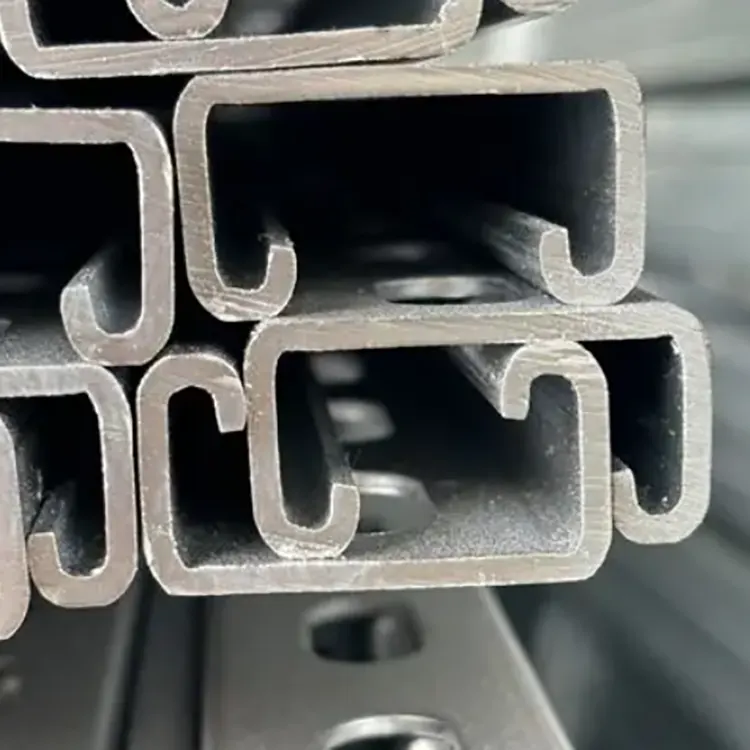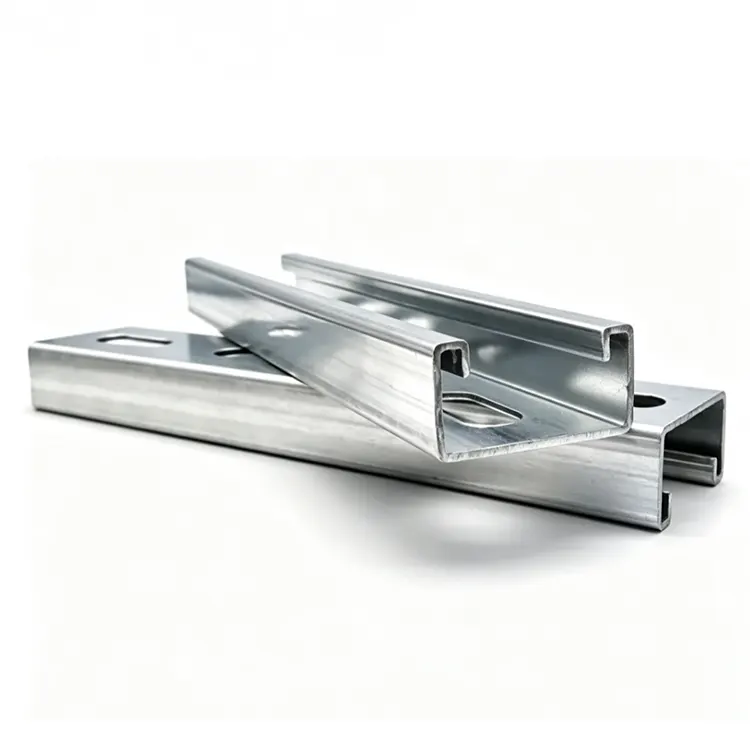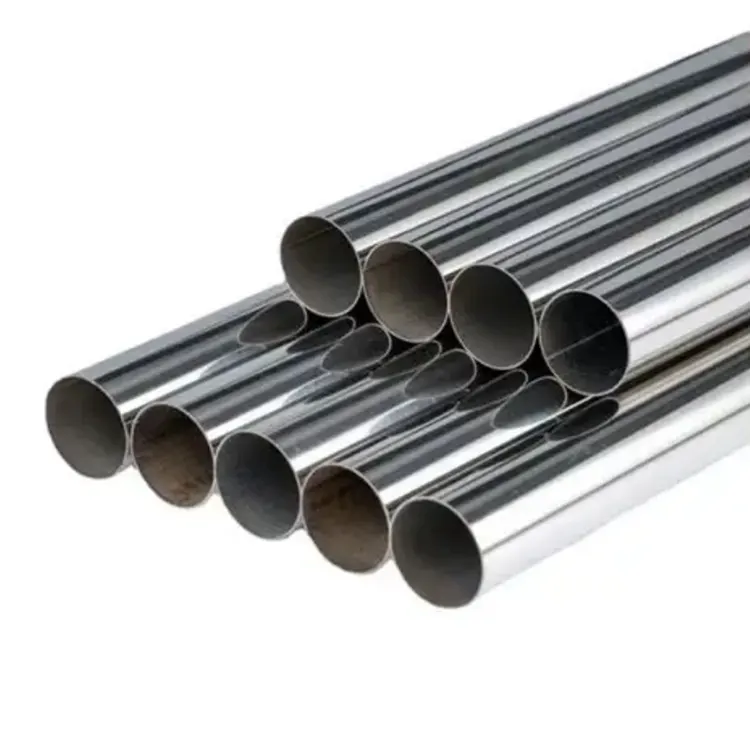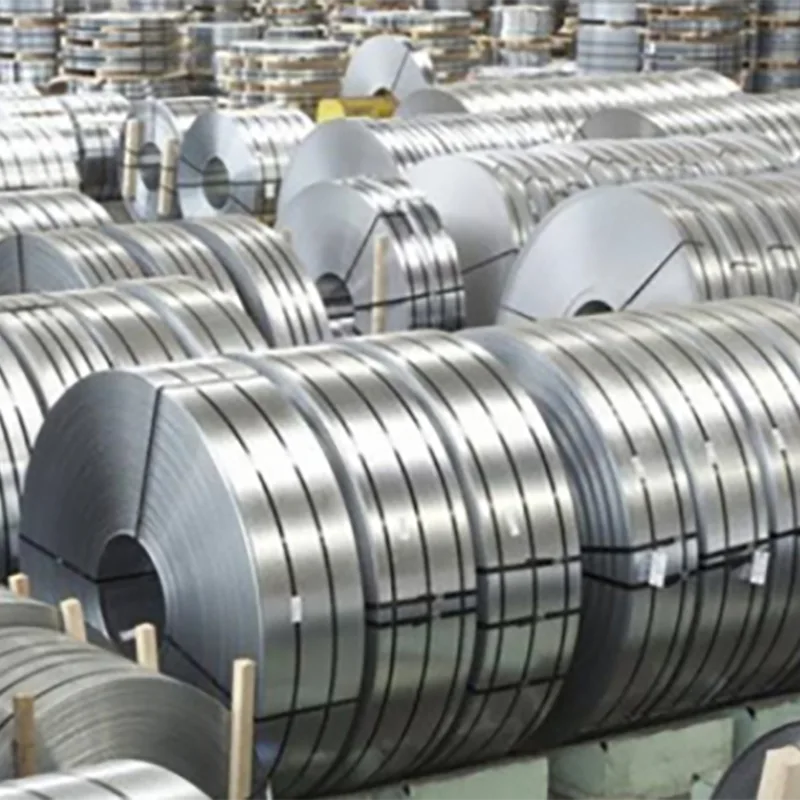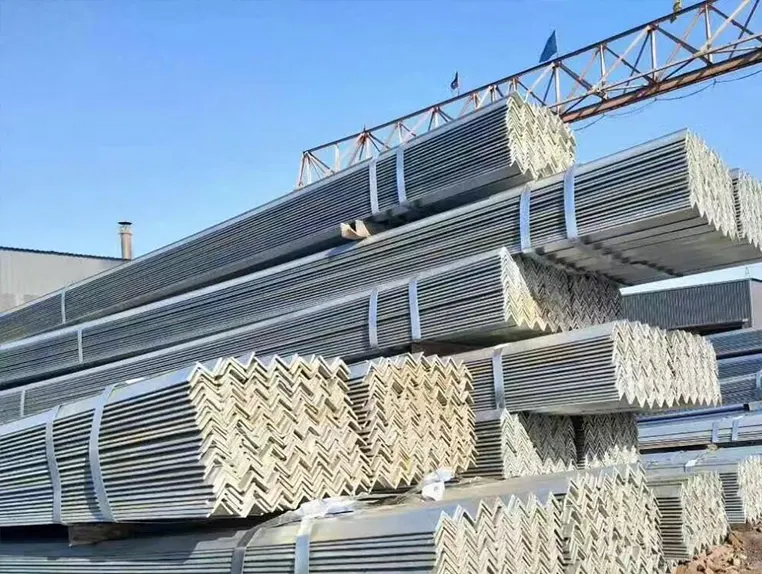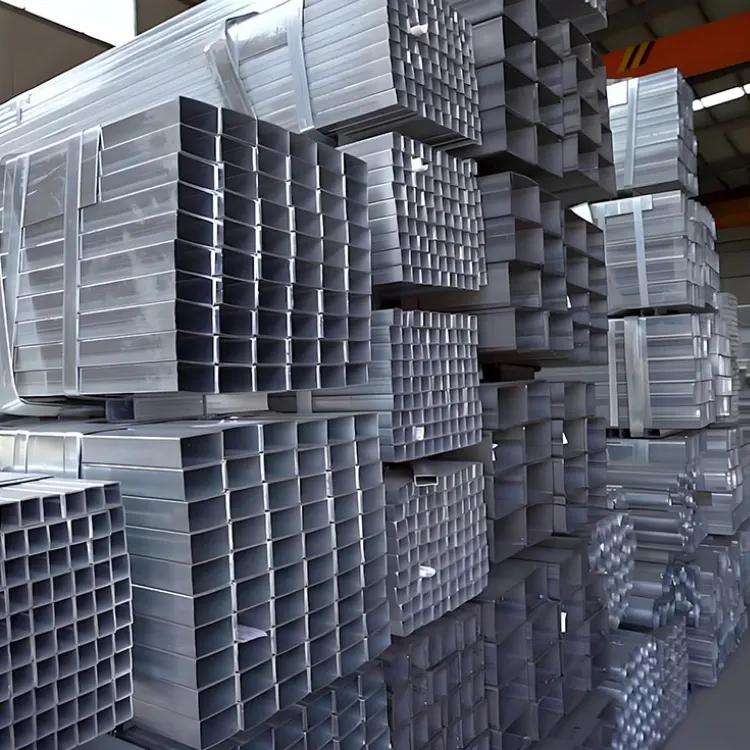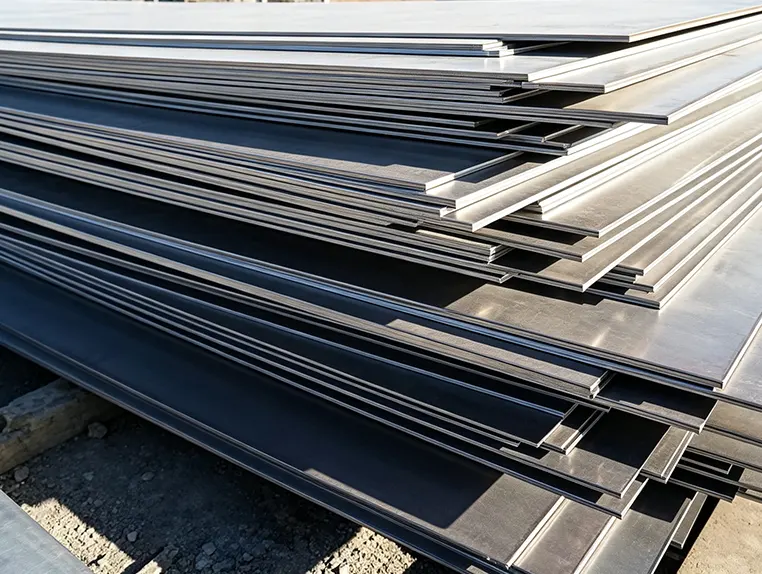
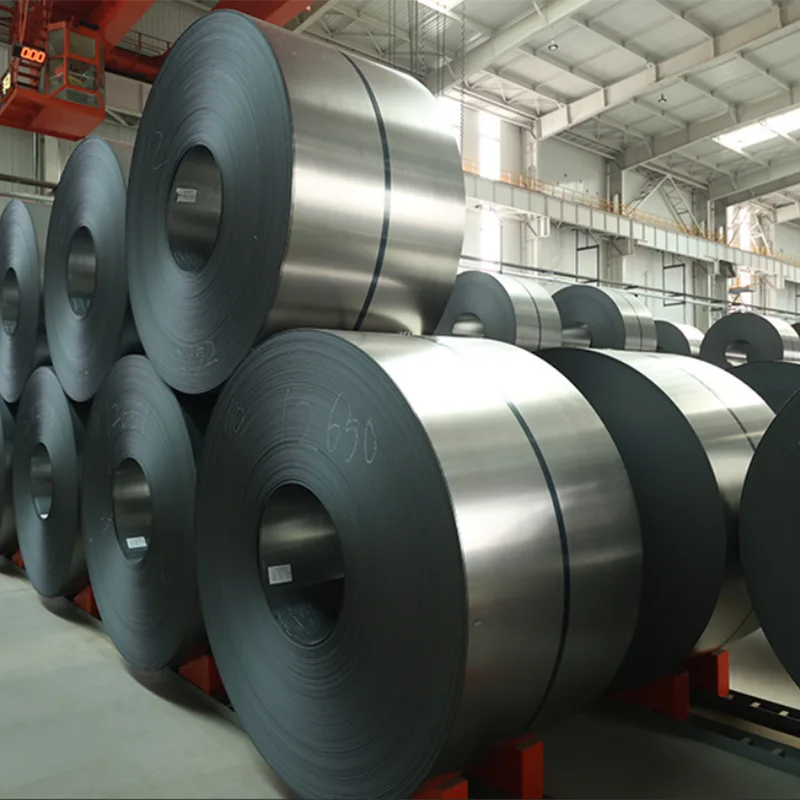
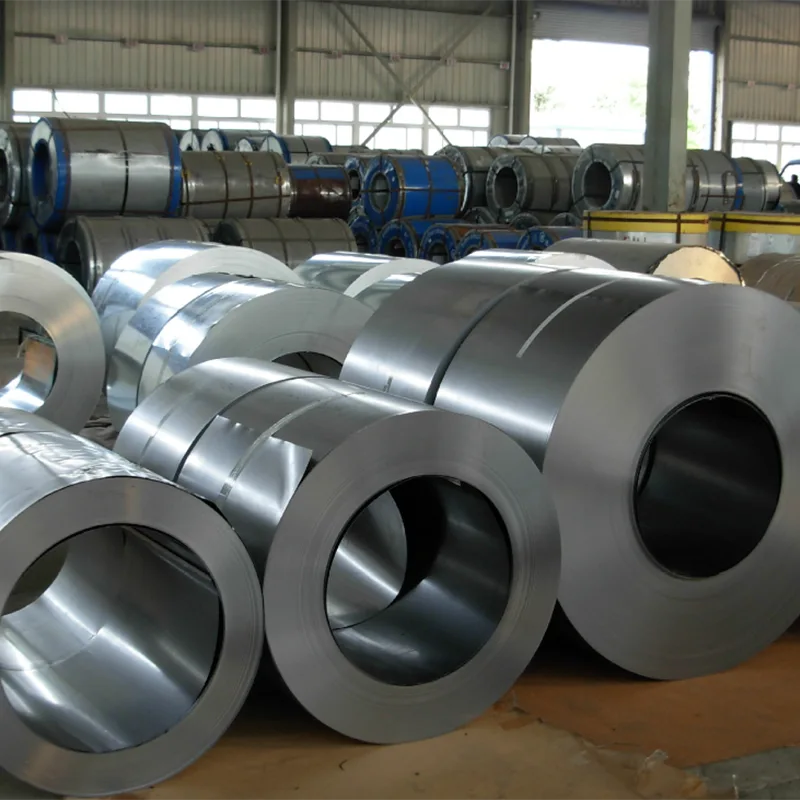
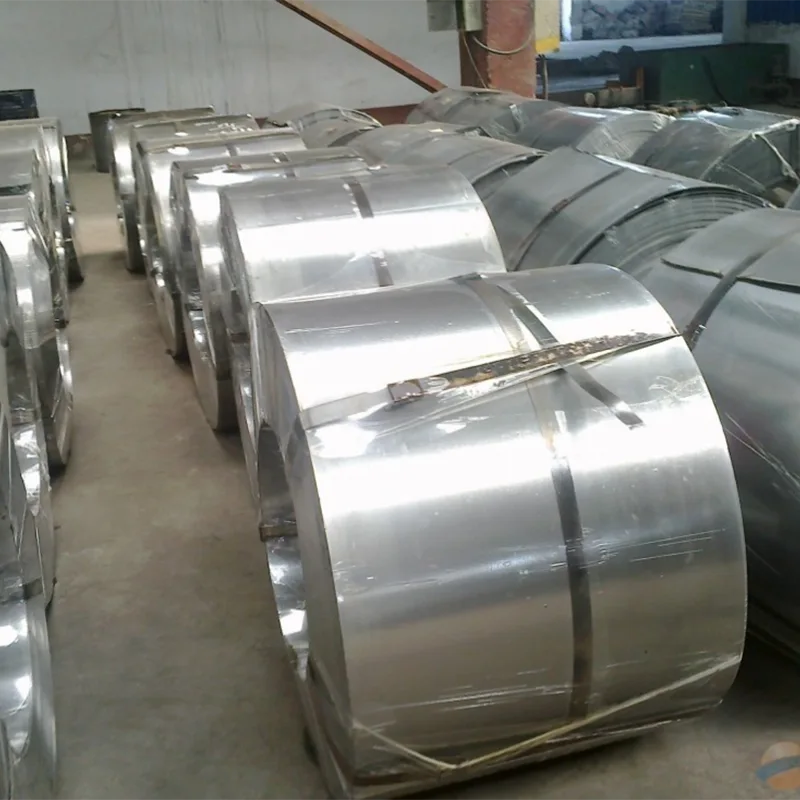
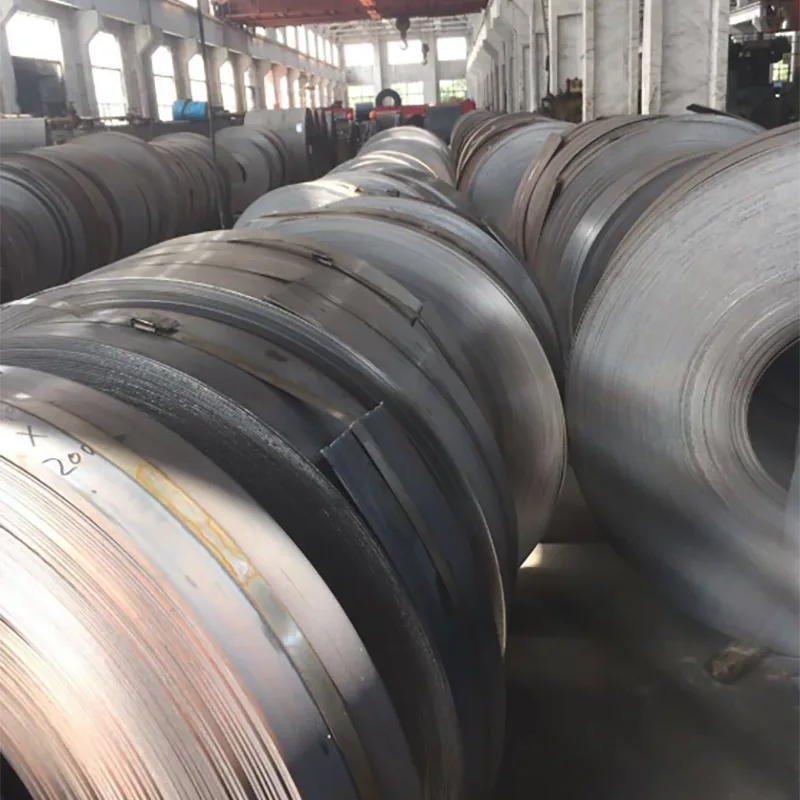
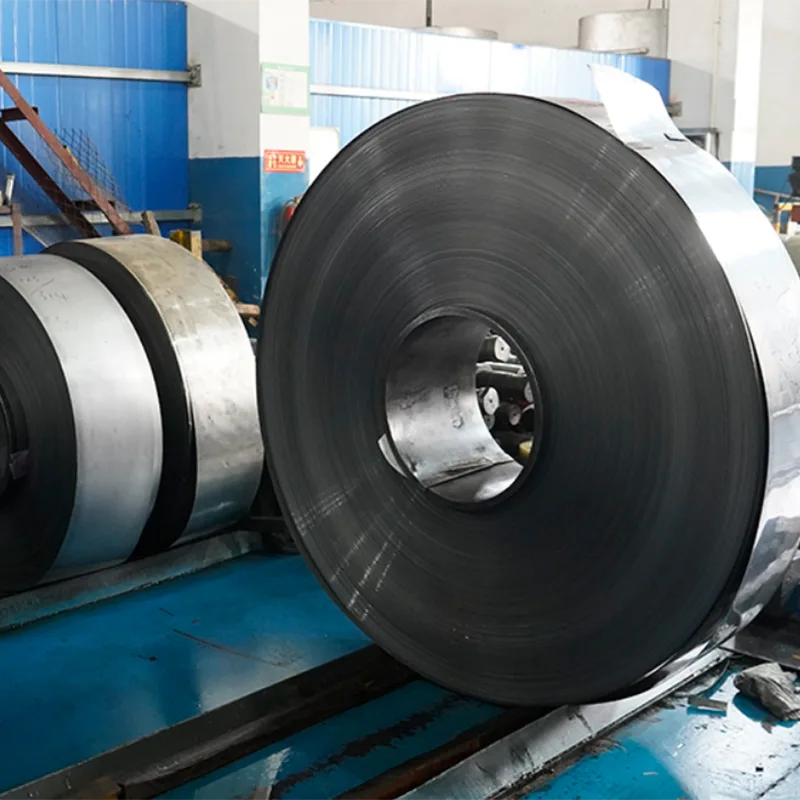
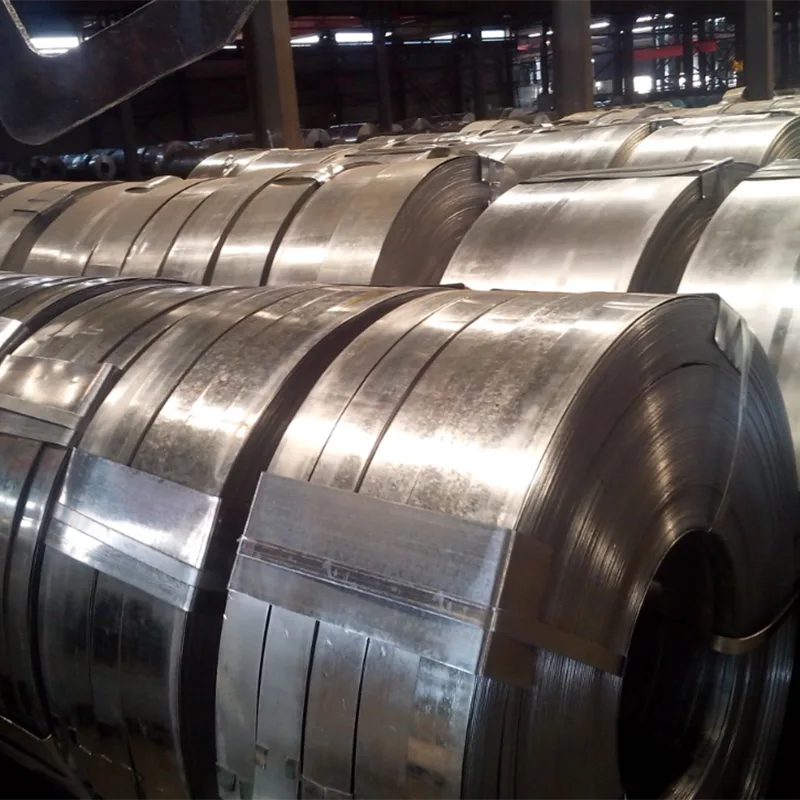
The China Cold Rolled Steel Strip produced by ShixinDa Factory has a thickness ranging from 0.15 to 3.0 mm and is available for delivery as original coils or longitudinally cut narrow strips. The inner diameters of the steel coils are available in 508 mm or 610 mm; the weight per coil is suitable for container shipping. The thickness and width tolerances strictly comply with export precision grades, and the flatness of the strip is precisely controlled.
The mechanical properties are stable; yield strength, tensile strength, and elongation values can be tailored to meet the customer's technical specifications. The chemical composition is strictly controlled to include carbon, manganese, sulfur, and phosphorus; the deep-drawing grade features reduced impurity content to prevent stamping surface wrinkling defects. Surface finish grades are available upon request, with adjustable surface roughness; shear-edged or rolled-edged options are provided; and standard shipping includes anti-rust oil coating.
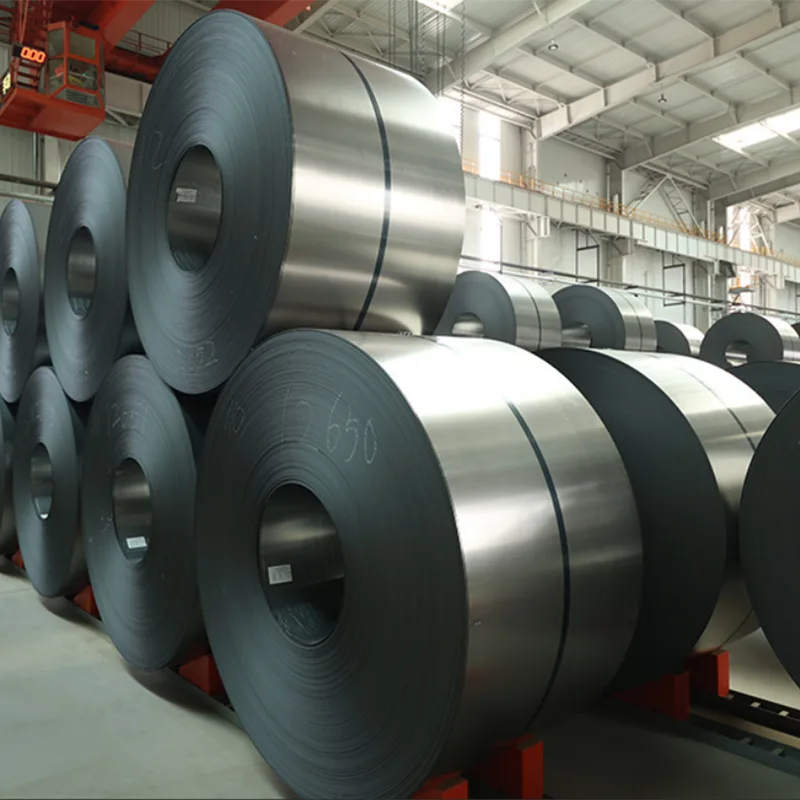
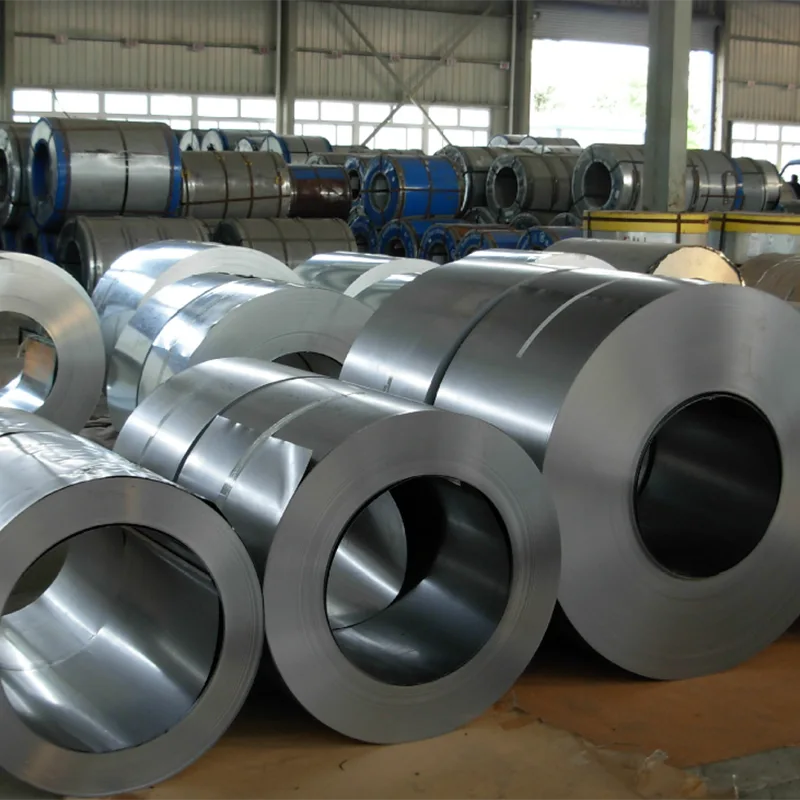
Raw material: Hot-rolled coils as the feedstock
Welding and coiling: Welding multiple steel strip coils together to enhance continuous production efficiency.
Pickling: Use hydrochloric acid (formerly sulfuric acid) to remove surface iron oxide scale, ensuring a smooth steel strip surface and reducing roller wear.
After pickling, clean, dry, and cut into coils.
Roll the descaling-treated sheet billet to the final product thickness on the cold rolling mill.
The total reduction rate is generally between 60% and 90%.
Tension rolling is employed to ensure a straight plate shape and control thickness variation.
The rolling methods are classified into three types: single-table reversible rolling, multi-table continuous rolling, and fully continuous rolling.
The maximum rolling speed can reach 41.6 m/s; the annual output of a fully continuous rolling mill can exceed 2 million tons.
Process lubrication: Typically, emulsions are used for cooling and lubrication; for rolling thin-sections or hard metals, pure oil lubricants (e.g., palm oil) are employed.
Annealing: eliminates cold rolling work hardening, enables the steel plate to recrystallize and soften, and restores its plasticity.
Flatness: Light cold rolling at a slight reduction rate of 0.5%–4%; the purposes include:
Prevent the occurrence of a distinct yield step during tensile loading.
Improve plate shape
Achieve the required surface roughness
Coating: The steel strips or slabs requiring coating shall be fed into the galvanizing, tin-plating, aluminum-plating, or organic coating processing units.
Shearing: Longitudinal shearing is used for edge trimming or dividing material into strips by width; transverse shearing cuts the material into individual sheets by length.
Oiled packaging: Apply anti-rust oil; package after inspection and classification before dispatching from the factory.

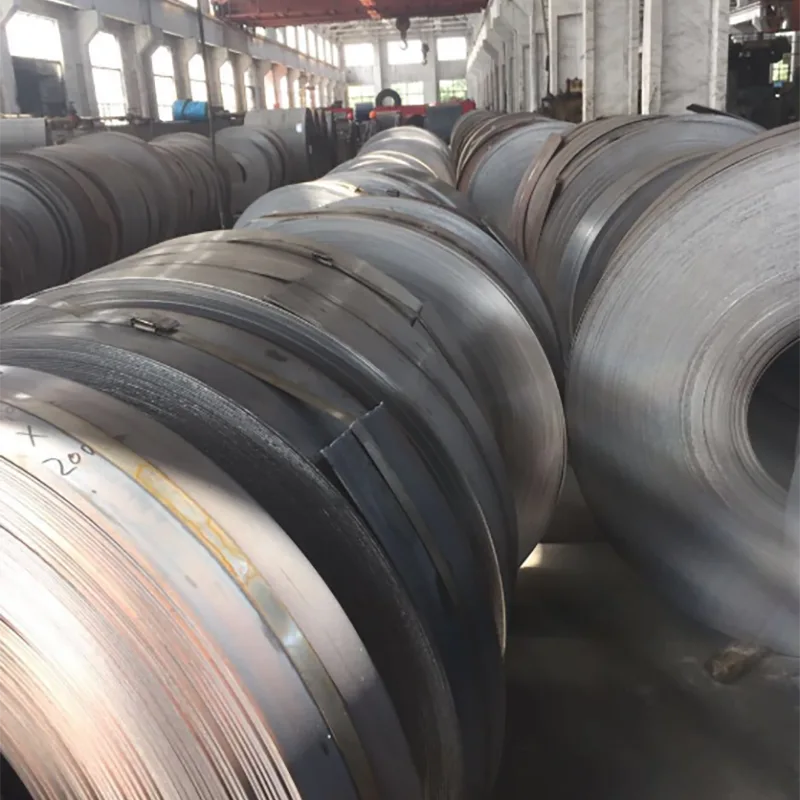
Cold Rolled Steel Strip is produced by cold-rolling hot-rolled steel coils at room temperature; its product design focuses on dimensional accuracy, surface quality, mechanical properties, formability and operational performance, as well as compatibility with subsequent processing operations. The core characteristics are as follows:
High thickness accuracy: Cold-rolled at room temperature with robust rolling mill control capabilities; the thickness tolerance is significantly superior to that of hot-rolled strip steel, enabling the production of thin strips (primarily in the range of 0.1–3.0 mm) to meet the requirements for stamping and precision sheet metal components; available in standard, high-precision, and ultra-precision grades for selection.
Controllable width and profile: During design, the sickle bend, warping, and waviness can be precisely controlled to ensure straightness; fixed-width cutting is supported, making it suitable for subsequent punching, welded pipe fabrication, and component processing.
Rolling design: Utilizes heavy-duty steel coils to minimize coil-changing downtime, making it ideal for continuous stamping and continuous coating production lines.
Distinguish between various surface finish grades: standard surface, higher-grade surface, and premium finished surface; design controls for oxide scale, scratches, spots, and roller mark defects.
Controllable surface roughness: The Ra value can be set using a flat rolling roller, making it suitable for stamping applications to prevent scratching, for spray coating adhesion, or for electroplating and coating processes; a high-gloss surface is ideal for appearance parts, while a moderately rough surface is suitable for deep drawing applications.
Can be configured for subsequent processing: suitable for surface treatment processes such as galvanizing, color coating, spray painting, electroplating, and other surface treatment operations.
Standard Commercial Grade (CQ): Moderate strength; suitable for simple bending and forming applications; used for housings and basic components.
Deep drawing grade (DQ/DDQ): reduces yield strength, increases elongation, controls the yield plateau, and prevents Luders bands – ideal for deep-drawing and complex stamped parts.
High-strength cold-rolled strip steel: Through optimized composition, rolling, and annealing process design, its tensile yield strength is enhanced; it is suitable for structural components, reinforcement elements, and lightweight components, balancing strength and formability.
The hardness range is broad, spanning from soft deep-drawing conditions to high-hardness states (rolled hard coils); these rolled hard coils are not subjected to annealing, resulting in high strength but poor plasticity, making them suitable only for simple bending operations.
Annealing process selection: choose between full annealing (for soft material, suitable for stamping applications), partial annealing, or rolling (unannealed), depending on the forming difficulty.
Flatness processing design: Eliminating yield platforms, improving plate shape, and controlling surface roughness are key design considerations for deep-drawing cold-rolled strip steel.
Chemical composition design: primarily low-carbon; deep-drawing grades have reduced C and Si levels with appropriate Mn content; high-strength grades incorporate microalloying elements to balance strength, weldability, and formability.
Weldability: Low-carbon cold-rolled strip steel exhibits excellent weldability, making it suitable for spot welding and arc welding applications in stamping-welded assemblies.
Delivery options: Primarily steel coils; alternatively, the material can be slit into cold-rolled sheet steel or longitudinal narrow strips, suitable for various types of equipment.
Protective design: The surface is coated with rust preventive oil to prevent corrosion during storage and transportation.
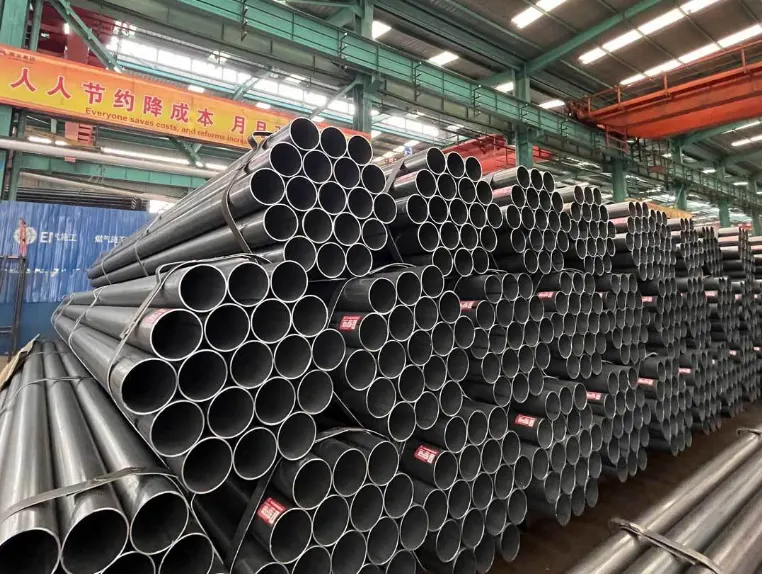
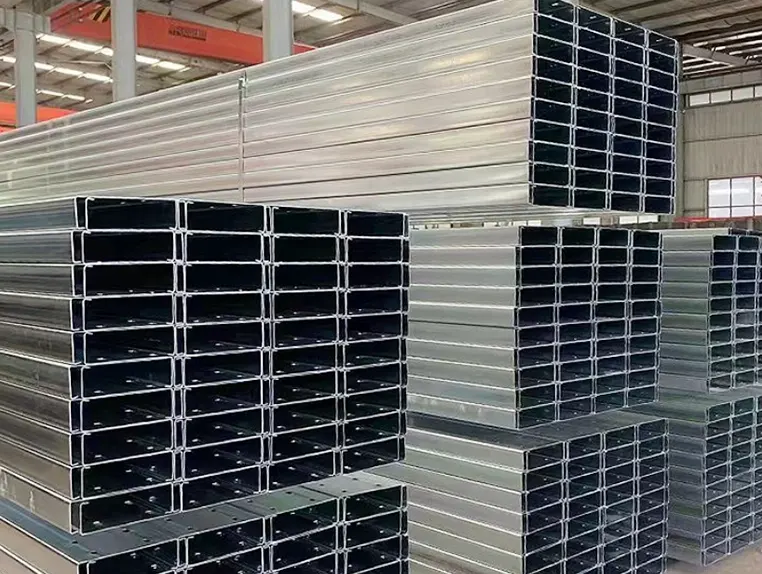
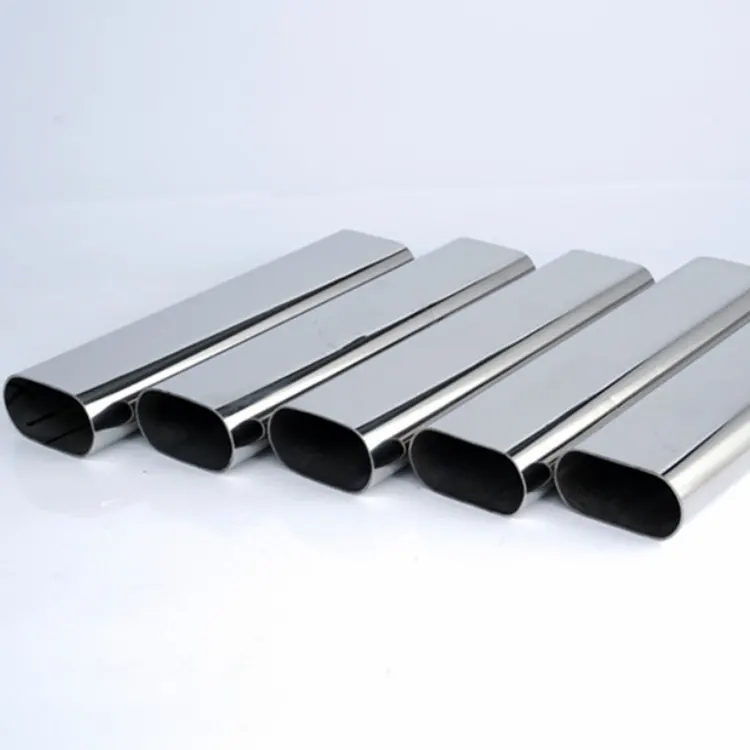
Application segmentation: Covers household appliance casings, automotive components, hardware products, welded pipes, cable trays, computer chassis and cabinets, among others; each application is associated with dedicated material grades and performance specifications.
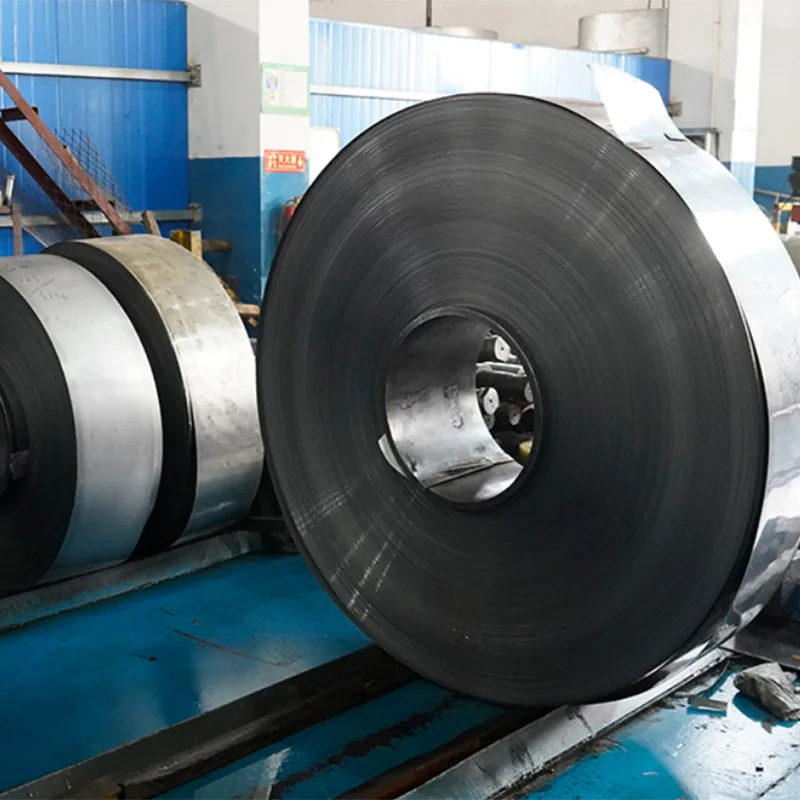
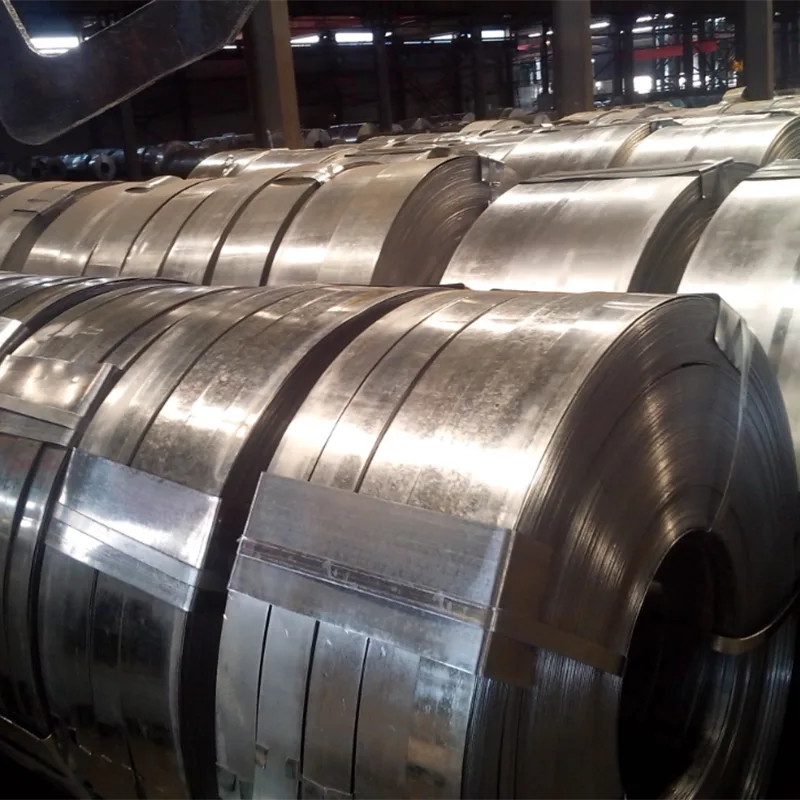
|
project |
Common export parameters |
remarks |
|
thickness |
0.15-3.0mm |
Mainstream: 0.32.0 mm; according to GB/T 7082-2019 / ASTM A568M tolerance specifications |
|
width |
Wide roll≥600 mm; Narrow strip <600 mm |
Original roll; longitudinally slit steel strip |
|
thickness deviation |
Standard accuracy, High accuracy, High-precision |
Overseas customers often specify EN/ASTM tolerances. |
|
Width tolerance |
Original roll: 0–+5 mm; Slotted narrow strip:±0.3–±0.5 mm |
More stringent tolerance requirements for slitting materials |
|
Pattern shape / Flatness |
Levels I, II, and III; unit: mm/m |
If the customer has specific stamping requirements, please specify them clearly. |
|
Delivery Method |
Steel coils, longitudinally cut narrow strips, transversely cut flat plates |
The majority of exports consist of steel coils. |
Address
S213 Jinghai District, Tianjin City, China
Tel