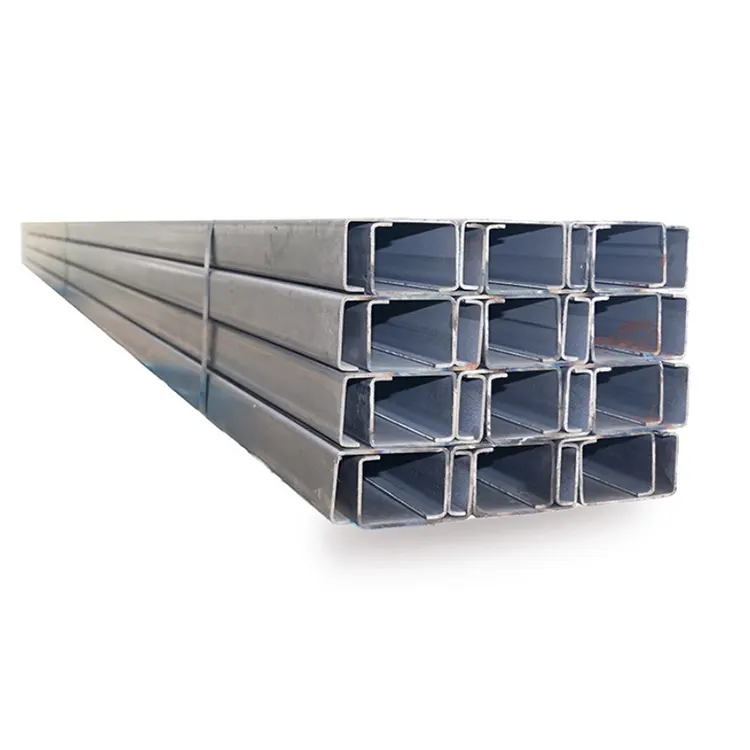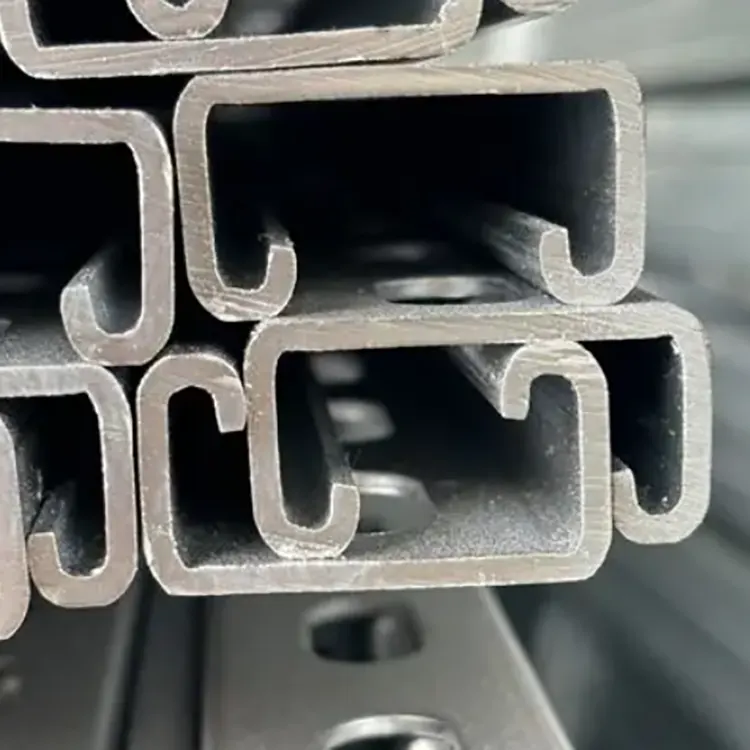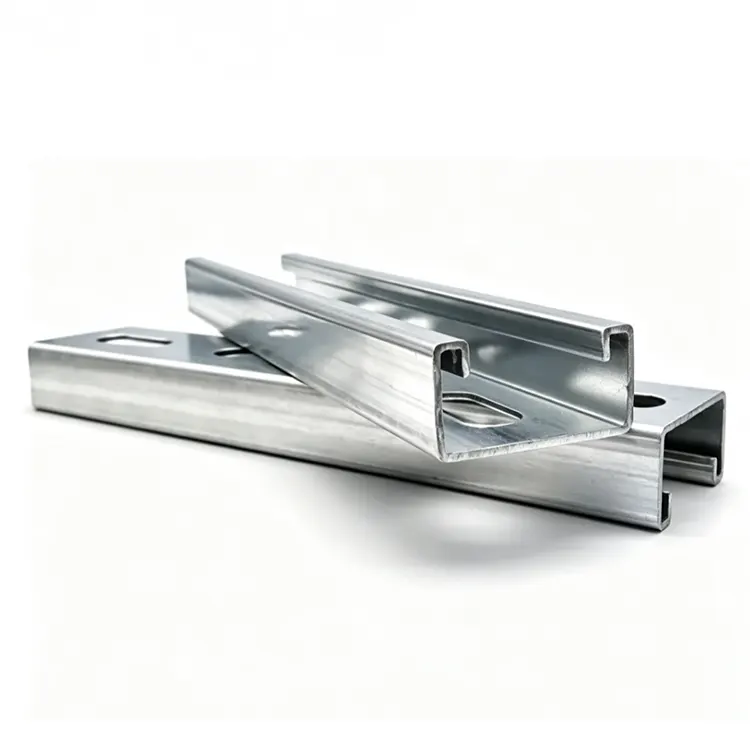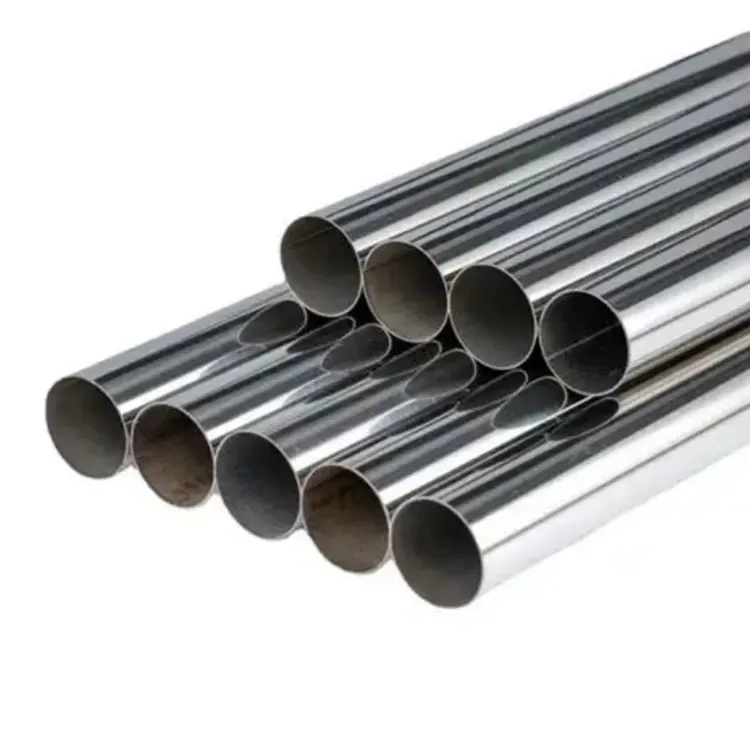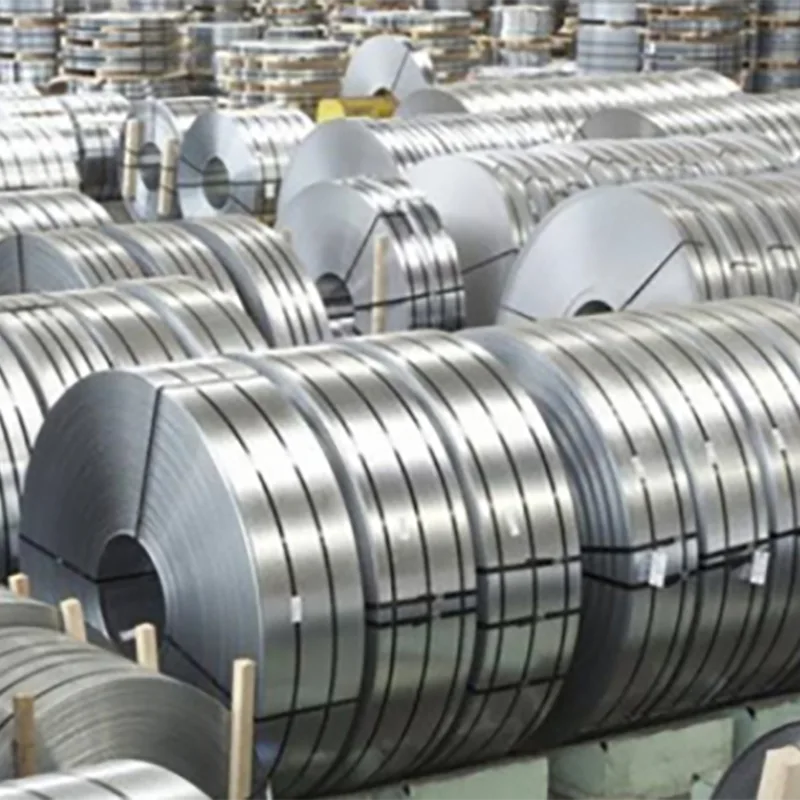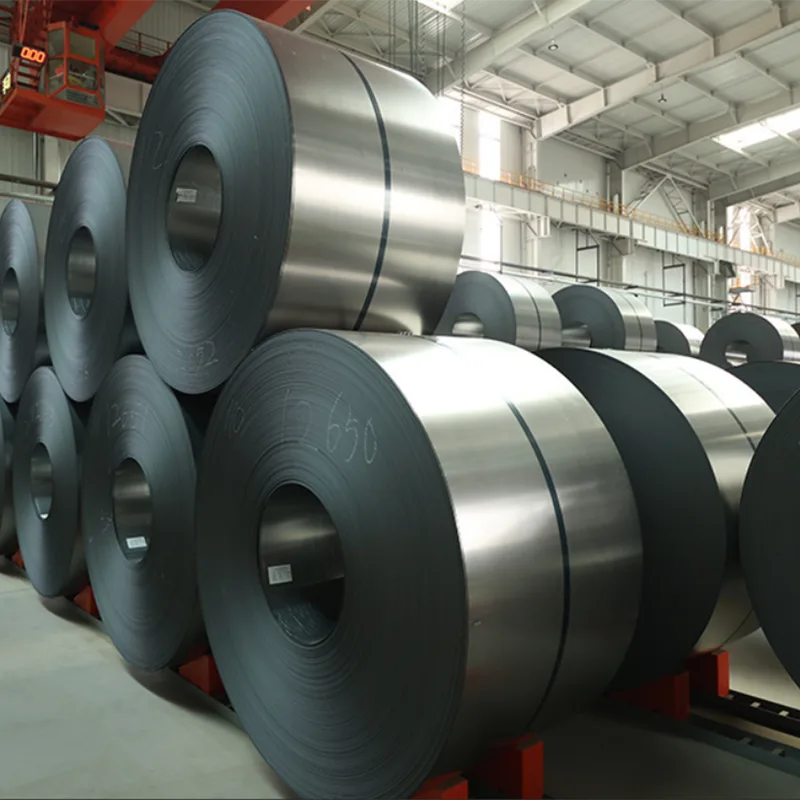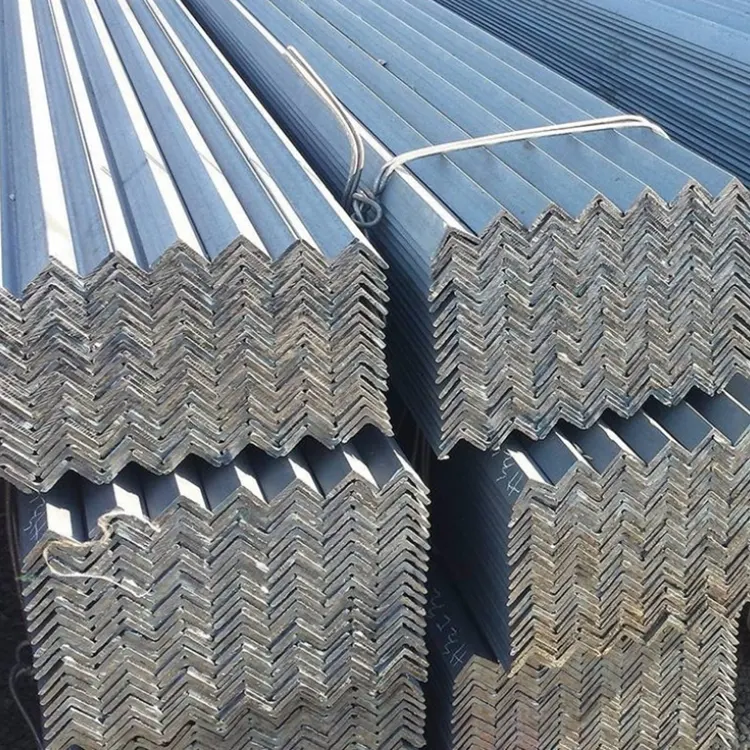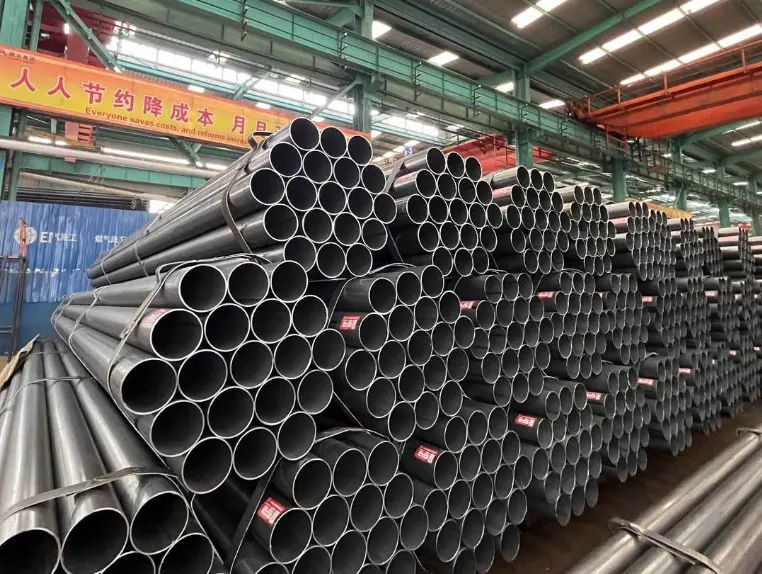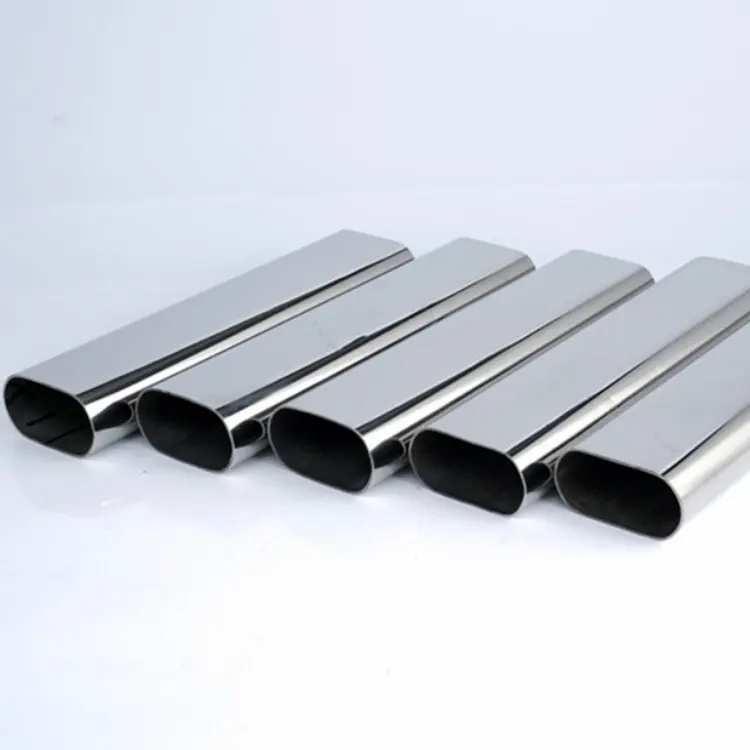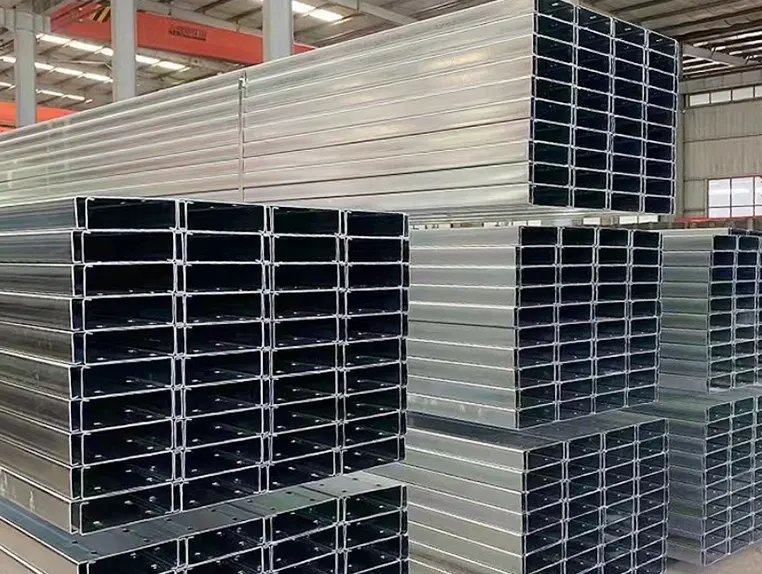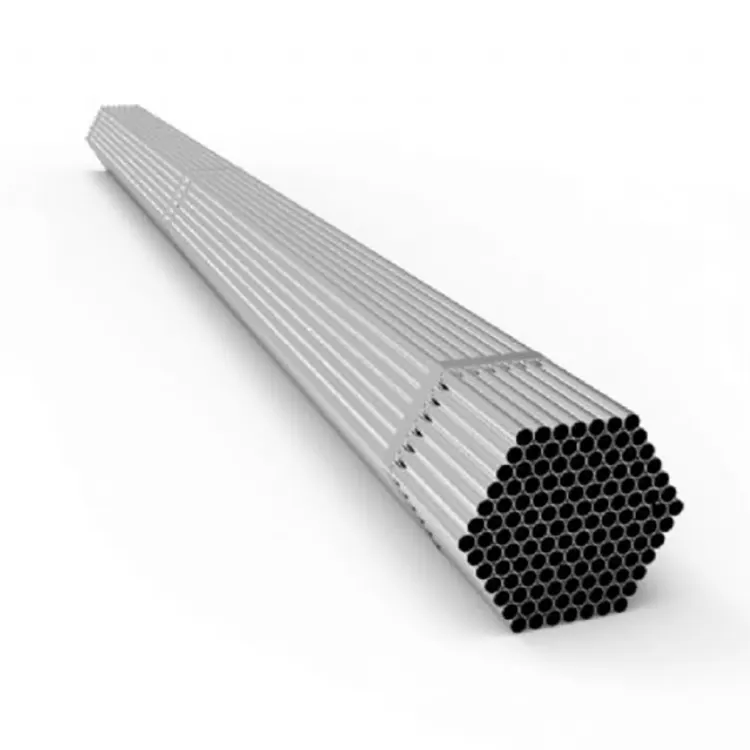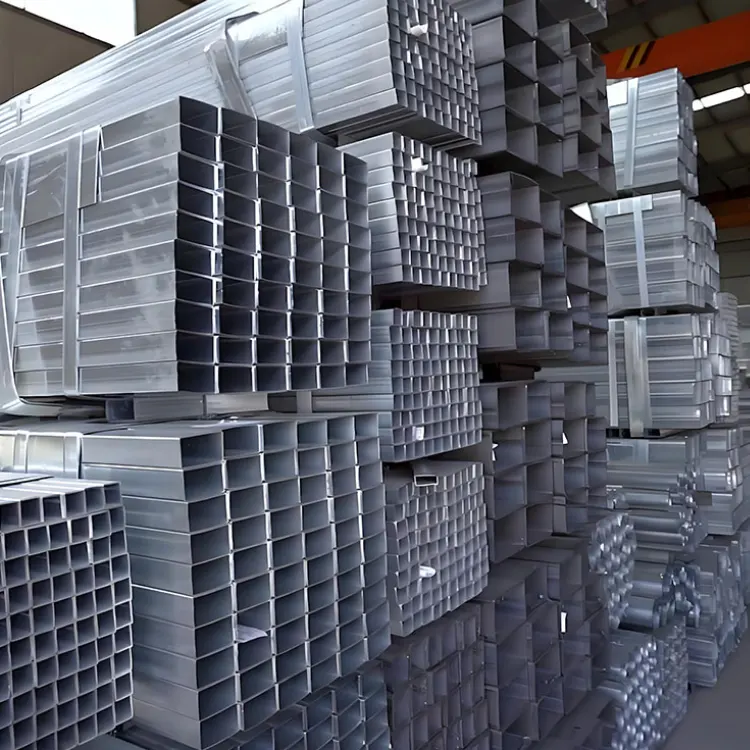
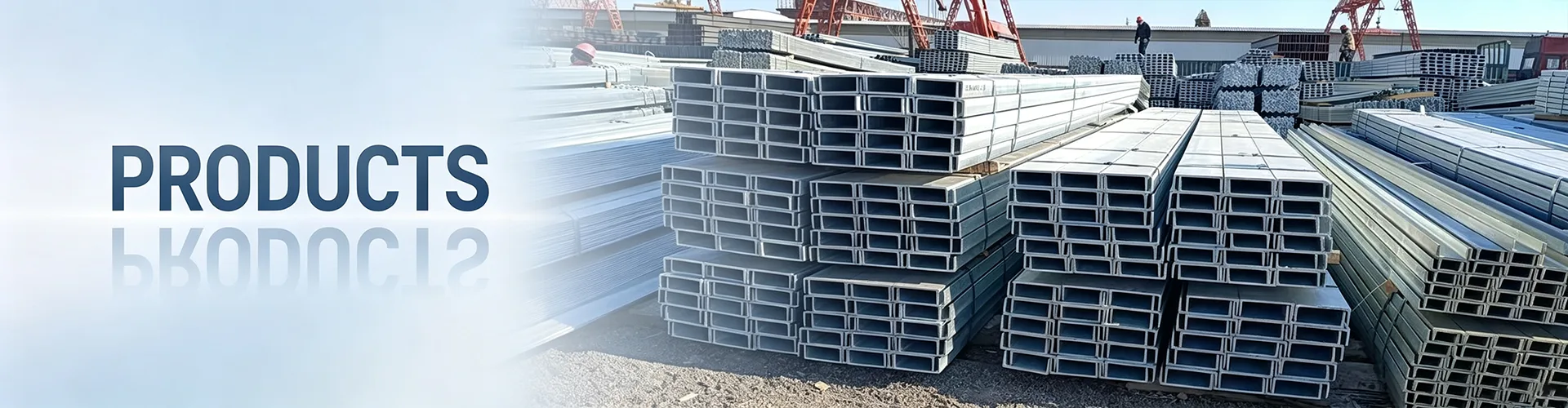
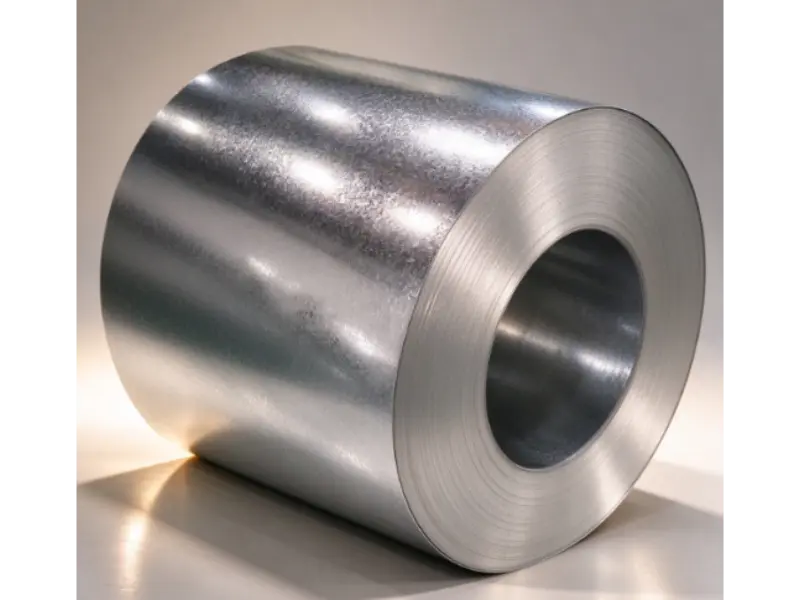
Precision cold-rolled stainless steel consists of thin stainless steel strips processed through multiple cold-rolling passes and bright annealing. It features excellent corrosion and rust resistance, a high-quality surface finish, a uniform microstructure, and dimensional accuracy maintained at a precision grade. The material is clean, hygienic, and offers stable forming characteristics. It is ideal for sectors requiring high corrosion resistance and superior surface quality—such as medical devices, precision instruments, food processing equipment, electronic components, and decorative elements—serving as a reliable substrate for high-precision, high-cleanliness manufacturing.
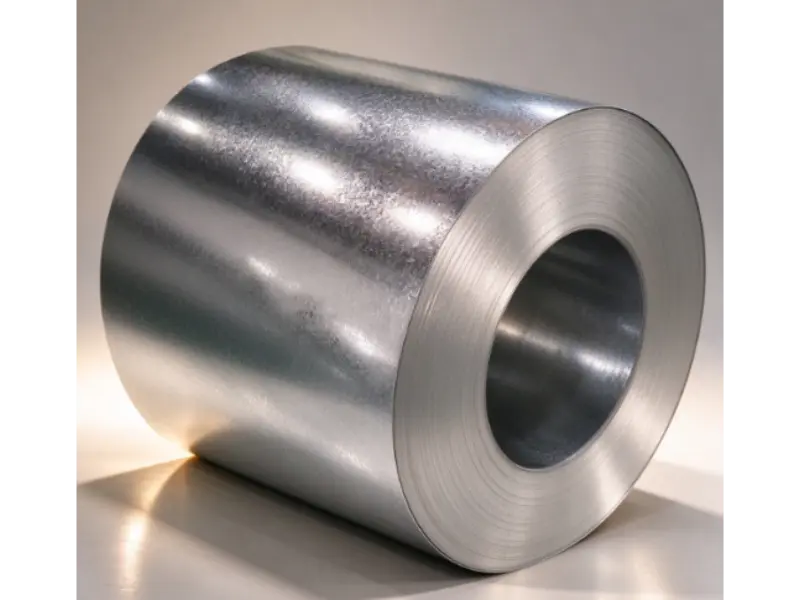
Inherently corrosion-resistant, the stainless steel undergoes bright annealing and surface passivation, ensuring stable oxidation and rust resistance even in humid, acidic, or alkaline environments. When used for outdoor components, in hot and humid conditions, or in parts subject to frequent contact, the surface remains rust-free over long periods, reducing maintenance and replacement costs.
Through multiple cold-rolling passes combined with bright annealing, the steel achieves a uniform, smooth surface free from oxide scale or noticeable rolling defects. The consistent surface quality eliminates the need for additional polishing, making it perfect for precision components that require specific gloss levels and high cleanliness, while balancing aesthetic appeal with long service life.
The dense surface is easy to clean and resistant to the accumulation of dirt or contaminants, meeting stringent hygienic standards. Suitable for applications involving food contact, medical care, or pharmaceutical clean-room environments, the material poses no risk of contamination and can withstand repeated cleaning and disinfection, ensuring product safety and regulatory compliance.
Dimensional accuracy is maintained at a precision grade, with tight tolerances for thickness and width, ensuring consistent dimensions during blanking and forming processes. This material offers a combination of corrosion resistance and formability. It is suitable for processes such as stamping, bending, and deep drawing, maintaining an excellent surface finish after forming—making it ideal for the mass production of high-precision components.
Choose the appropriate stainless steel grade and surface finish based on the operating environment, including humidity levels, acidity/alkalinity, and the specific media the material will contact. Since corrosion resistance requirements vary across different environments—such as humid coastal regions, chemical processing facilities, or food-grade applications—it is essential to define the specific media and temperature conditions. This ensures an optimal balance between corrosion resistance and cost, avoiding both over-specification and under-specification.
Select a surface finish grade that aligns with the required smoothness and cleanliness of the final product. While standard industrial components may allow for less stringent surface requirements, applications involving hygiene or decorative elements demand a high-quality, smooth finish. Defining acceptance criteria beforehand helps minimize the need for subsequent polishing or grinding, thereby increasing the "first-pass" yield and overall operational efficiency.
Choose a material temper (hardness and elongation properties) that suits the specific forming process—whether it be stamping, bending, or deep drawing—and the degree of deformation required. For complex forming, a "soft" temper facilitates easier processing, whereas structural components may require a higher-strength temper. Balancing formability with the mechanical performance of the finished part ensures a smooth, efficient manufacturing process.
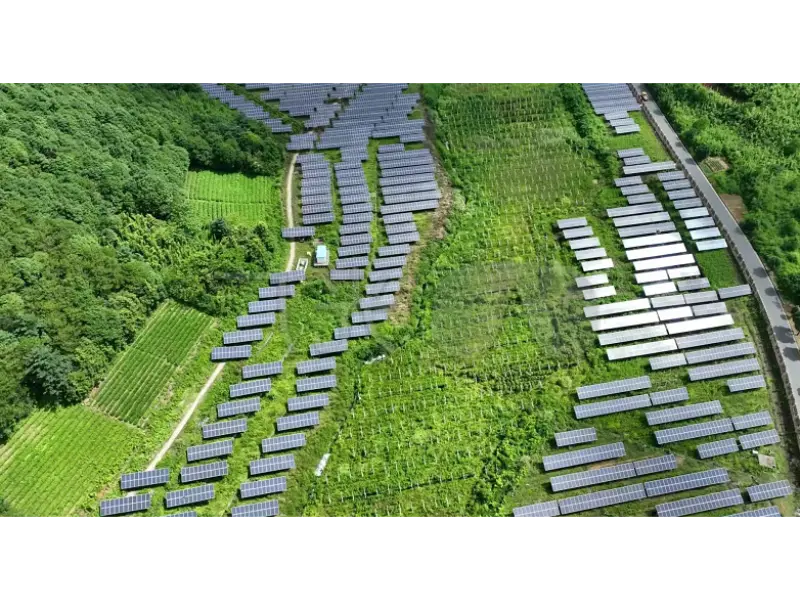
Located on the Bashang Plateau, this site experiences high altitudes and extreme winter temperatures—dropping to nearly -30°C—with wind and snow loads serving as the primary design considerations. For this 10MW ground-mounted power plant, the support structures were verified against local 50-year return-period snow and wind pressure standards. This included increasing the thickness of support columns and diagonal beams, as well as implementing anti-loosening measures for all structural joints.
Due to the limited space at these communication base stations and strict roof-load constraints—while ensuring no disruption to the power supply for the equipment rooms—the project utilized lightweight, short-span support structures. These were secured using a combination of clamps and counterweights, leaving the existing waterproofing layer intact. Additionally, specific load-bearing calculations were performed for the tops of the power distribution cabinets. precision cold-rolled stainless steel is supplied primarily in the form of cut-to-length pieces and small-sized components. These are delivered to individual sites in batches, with on-site installation for each location completed within half a day.
The challenges of a county-wide rollout include highly dispersed installation points, small individual unit scales, and a concentrated project timeline. The project covers commercial, industrial, and residential rooftops across various townships in Jinan. Mounting structures are custom-designed based on roof type: a clamp-based system is used for color-steel tile roofs, while a combination of ballast and mechanical anchoring is employed for concrete roofs.
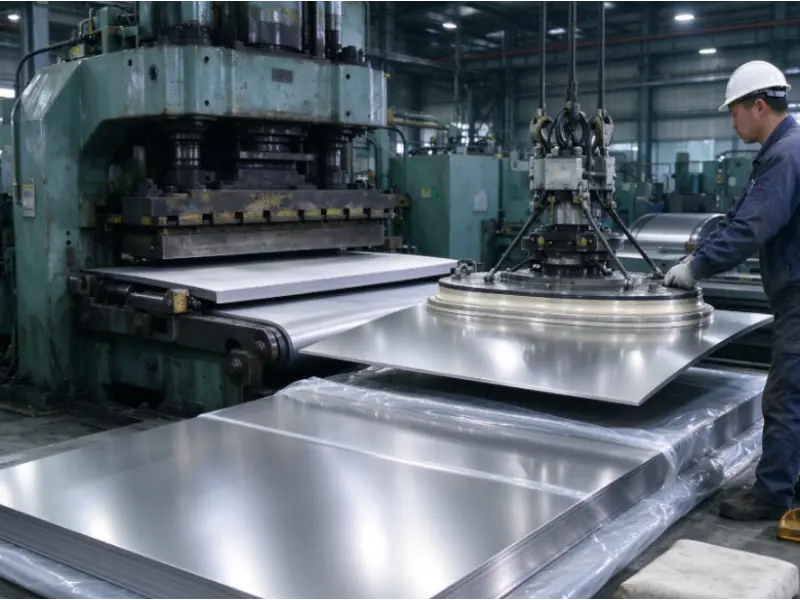
During the processing of precision cold-rolled stainless steel, ensure it is kept separate from carbon steel dust and iron filings to prevent iron particles from becoming embedded in the surface, which could lead to rust spots. Keep tools and work surfaces clean; promptly clear away debris after cutting or grinding to prevent cross-contamination by other metals, which could compromise the material's corrosion resistance.
The material’s softer surface is susceptible to scratching. Handle components with care during lifting, transport, and stamping, and ensure that tooling contact surfaces remain clean and smooth. Prevent friction between sheets and contact with hard objects to minimize indentations and scratches, thereby preserving the surface finish and reducing the need for subsequent polishing or rework.
Avoid prolonged exposure to moisture or stains during storage and use. Remove any surface contaminants promptly using a neutral cleaning agent. Precision cold-rolled stainless steel is not entirely immune to rust; if exposed to chloride-containing media or subjected to long-term dust accumulation and dampness, it requires regular cleaning and maintenance to keep the surface dense and extend its service life.
Precision cold-rolled stainless steel offers excellent corrosion resistance, but it is not completely rust-proof. Exposure to iron contamination, chloride-containing media, or long-term accumulation of dirt and moisture can still lead to rust spots. Proper protection, cleaning, and maintenance are essential to keep the surface dense and ensure stable, long-term corrosion resistance.
This is typically caused by contamination from iron particles, scratches sustained during processing, or prolonged exposure to corrosive substances. Contamination by carbon steel dust during processing, or damage to the passive layer due to surface scratching, can easily lead to the formation of rust spots. Implementing proper protective measures and ensuring timely cleaning can effectively prevent this.
Bright annealing produces a uniform, smooth surface; the specific gloss level can be selected based on the requirements for the finished product. Higher finish grades are suitable for sanitary or decorative components, while standard industrial parts may allow for lower grades. Specifying the acceptance criteria during the selection process ensures the right match.
Certain grades and surface finishes that meet sanitary standards are suitable for food-contact applications. These surfaces are dense, easy to clean, and resistant to dirt accumulation, allowing for repeated cleaning and disinfection. Ensure compliance by selecting the appropriate grade and surface finish according to food-contact standards.
The deformation that occurs during forming does not significantly reduce corrosion resistance; however, scratches or contamination from iron particles during processing can compromise the surface. Keeping tooling clean during stamping, preventing scratches, and promptly cleaning the surface after forming will preserve the material’s original corrosion resistance and cleanliness.
Selection should be based on the operating environment—including the media, temperature, and humidity—as well as specific forming requirements. For high corrosion resistance, choose grades containing elements like molybdenum; for demanding forming processes, opt for a softer temper; for high structural strength, select a high-strength temper. Defining the operating conditions during selection ensures the correct choice.
Thickness and width tolerances are controlled to high-precision standards, ensuring excellent dimensional consistency suitable for the manufacturing of high-precision components. Specific tolerance ranges depend on the product specifications and thickness; actual measured data can be provided, and the required tolerance grade should be confirmed prior to procurement.
Address
S213 Jinghai District, Tianjin City, China
Tel