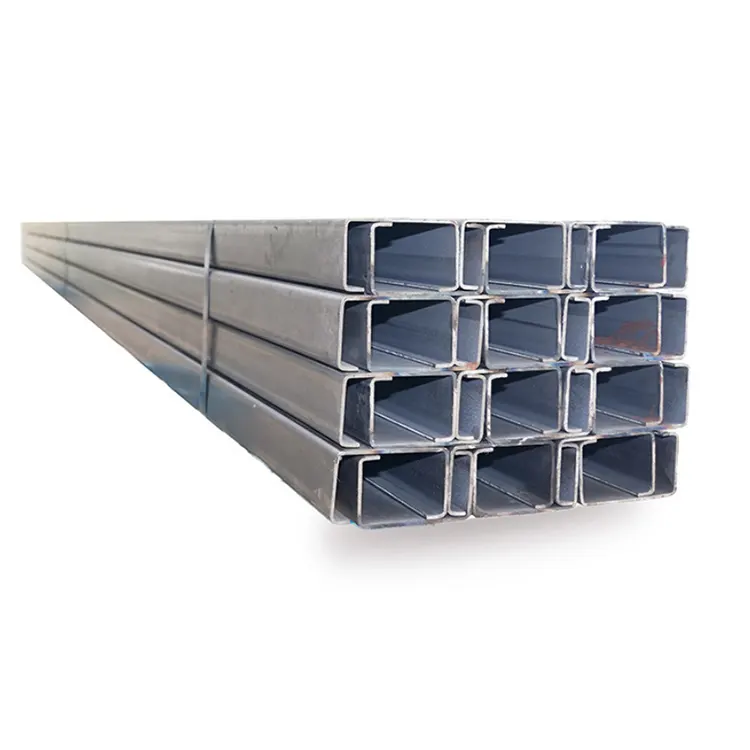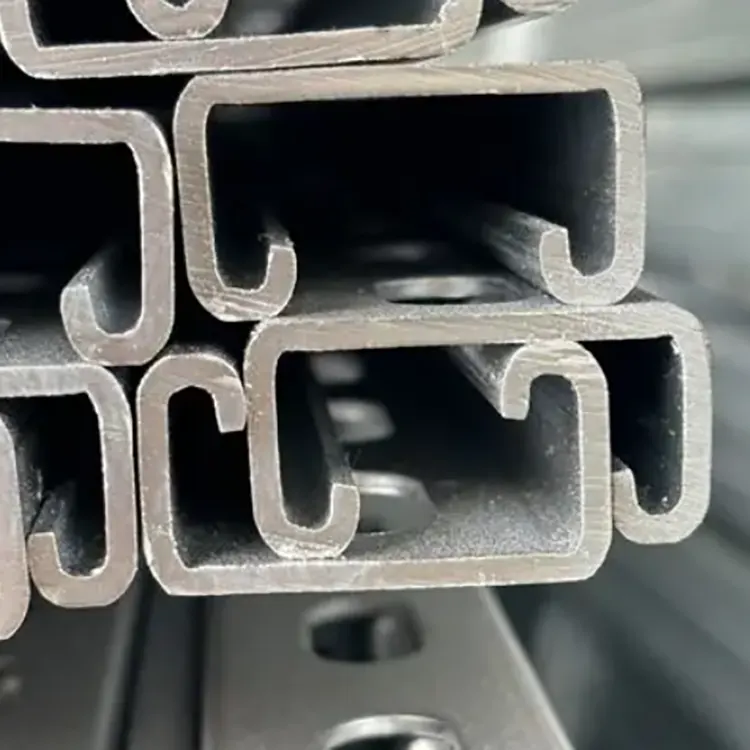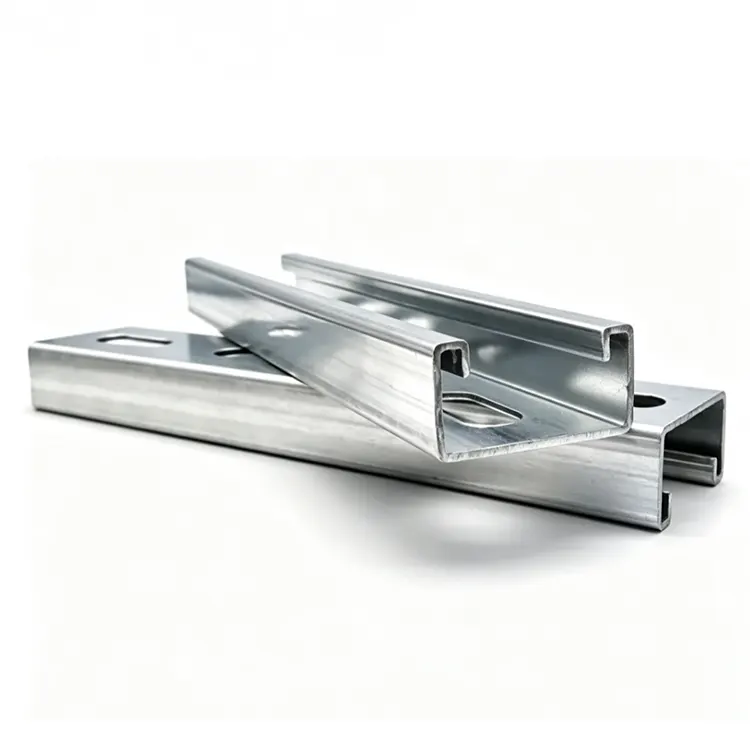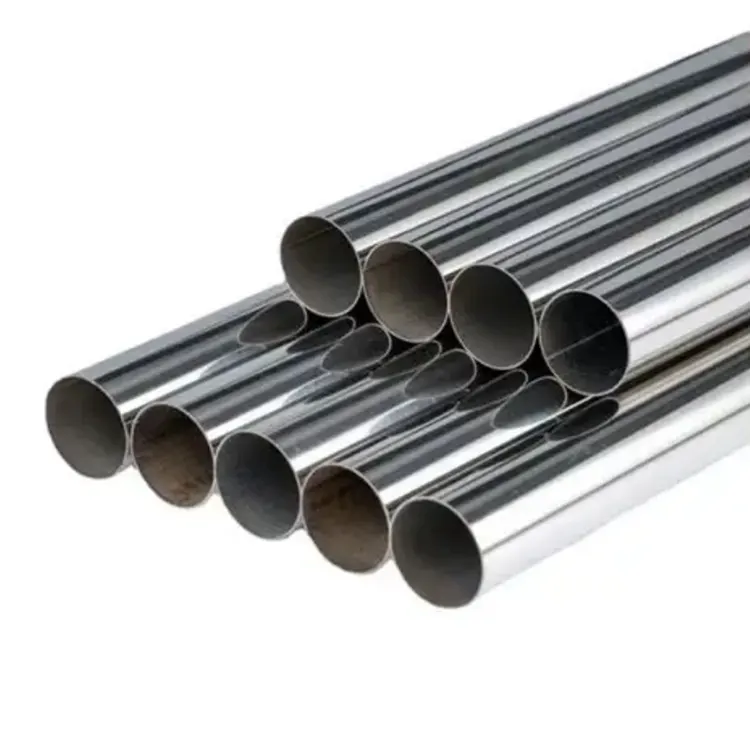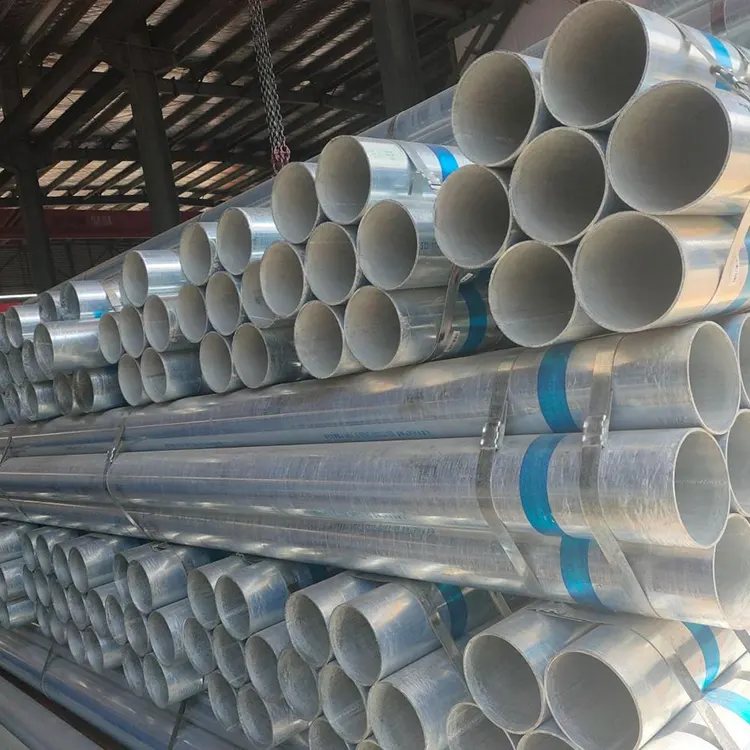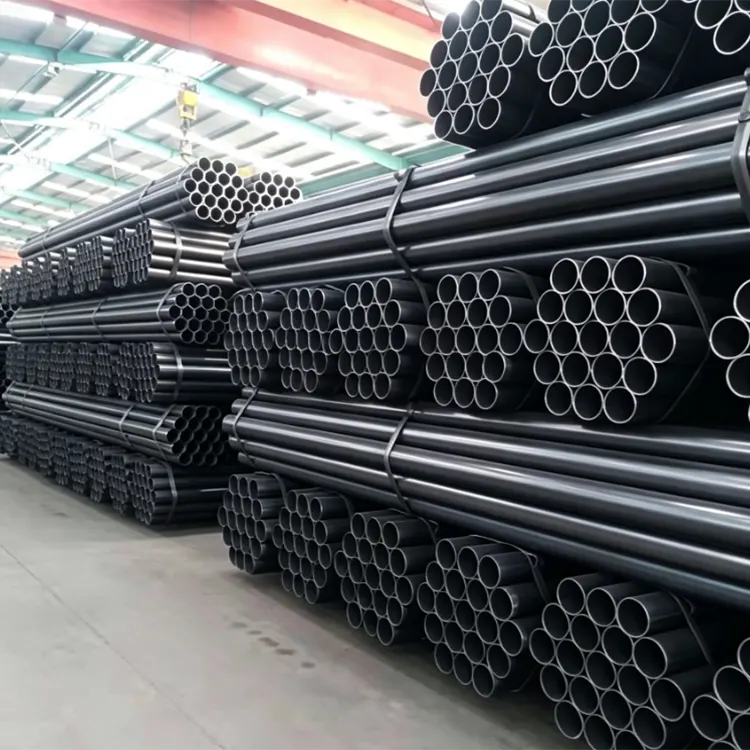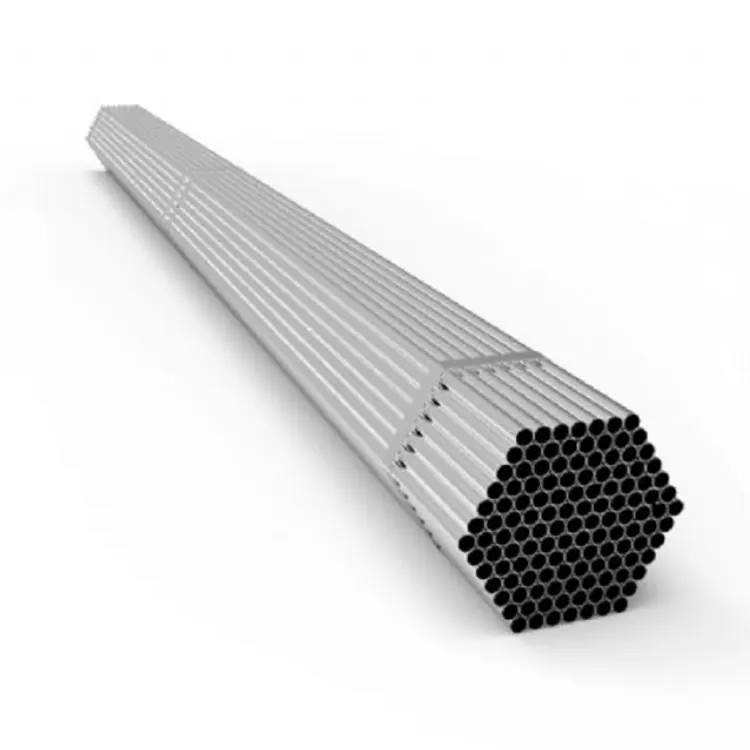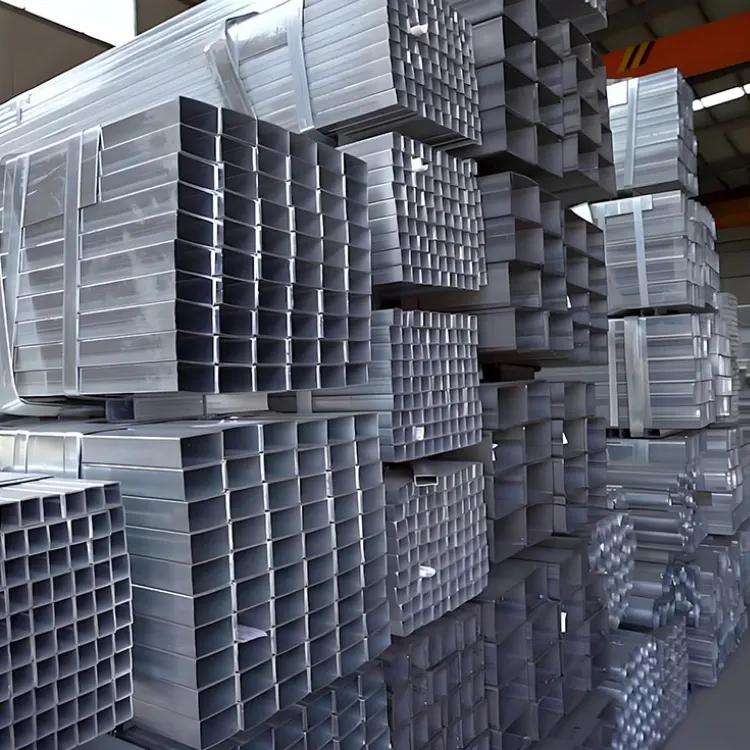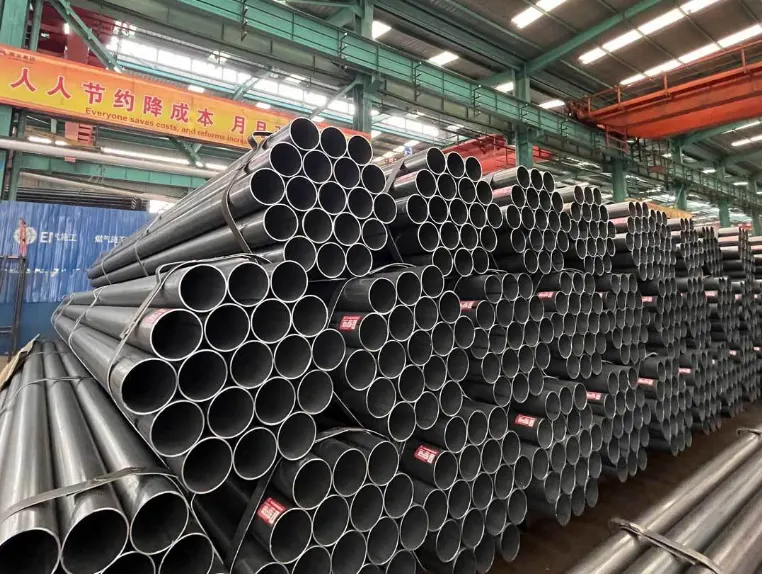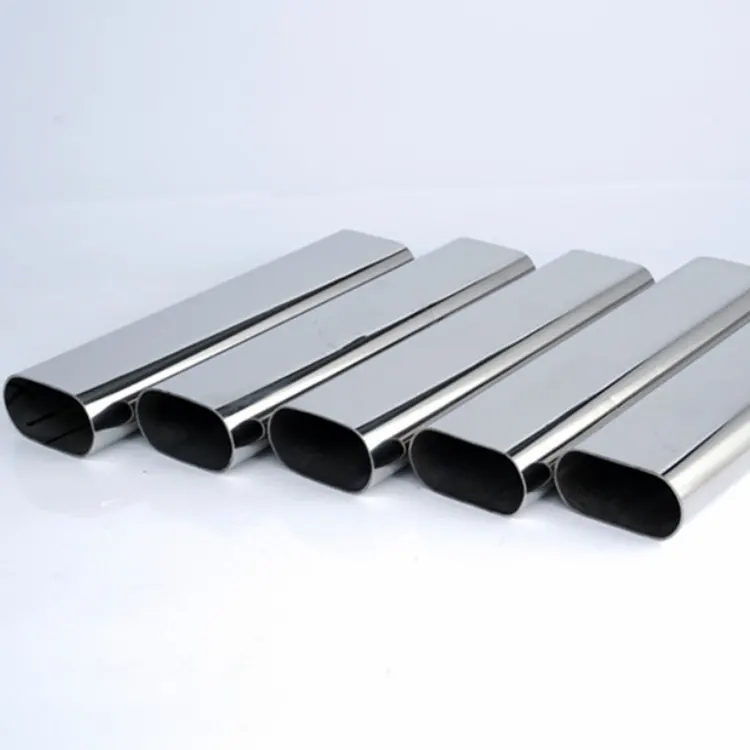
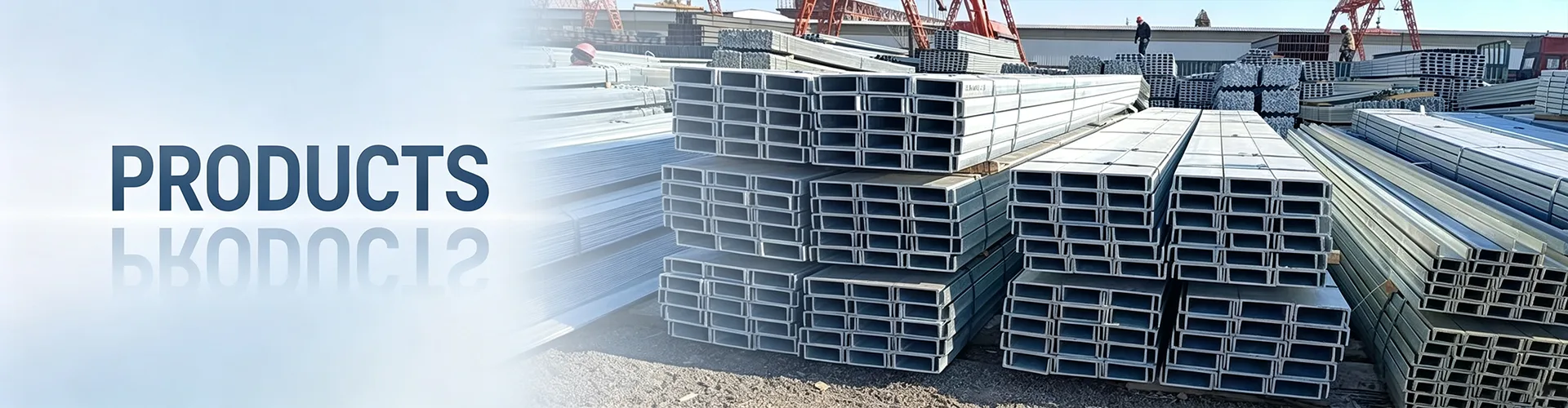
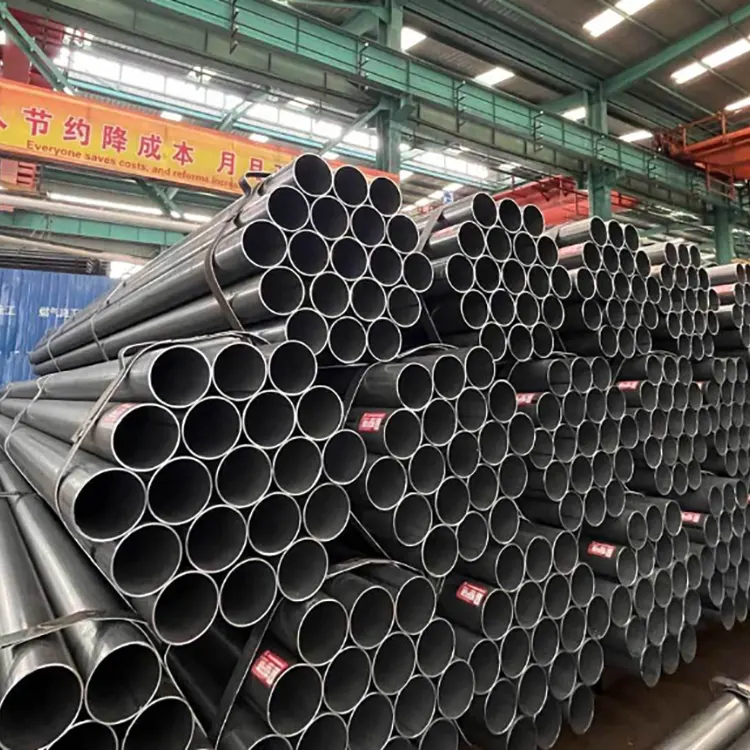
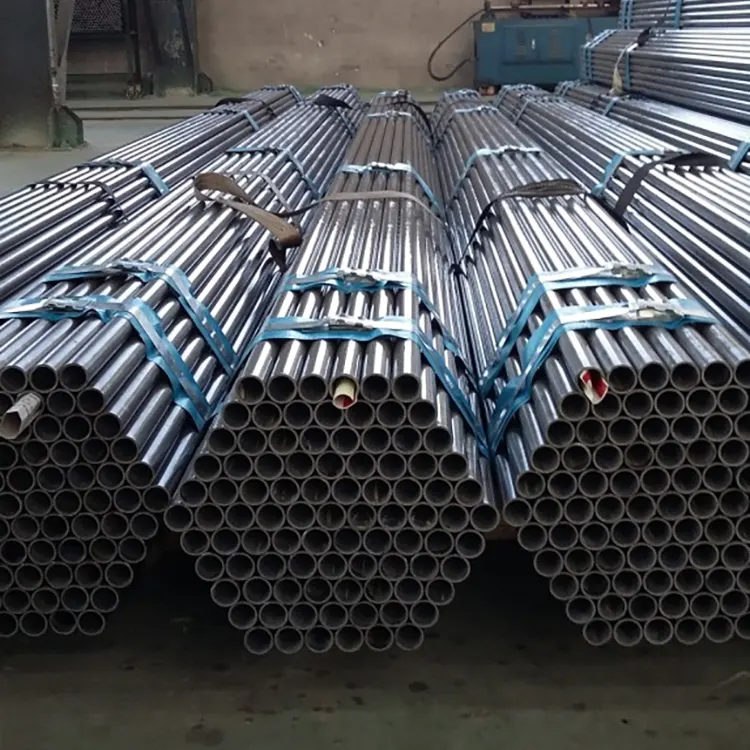
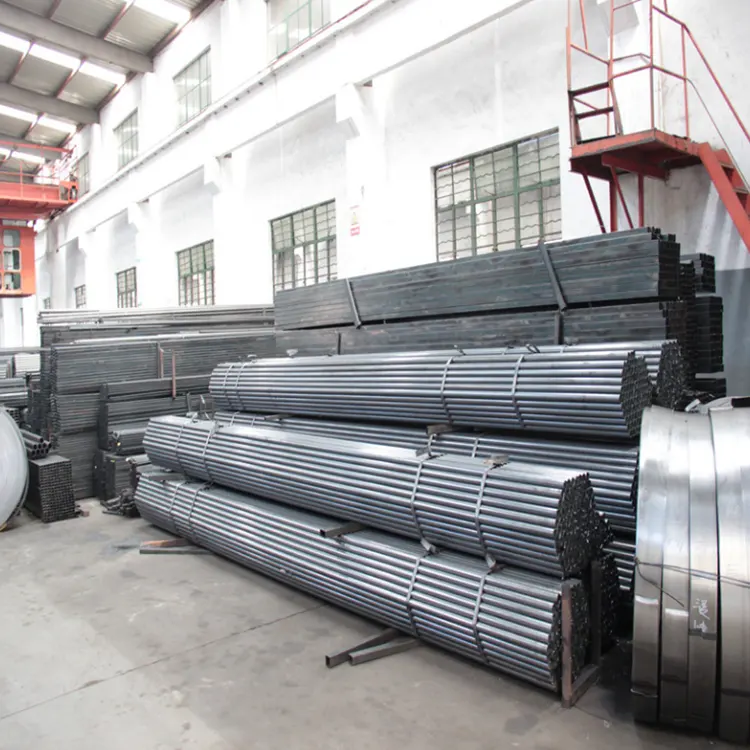
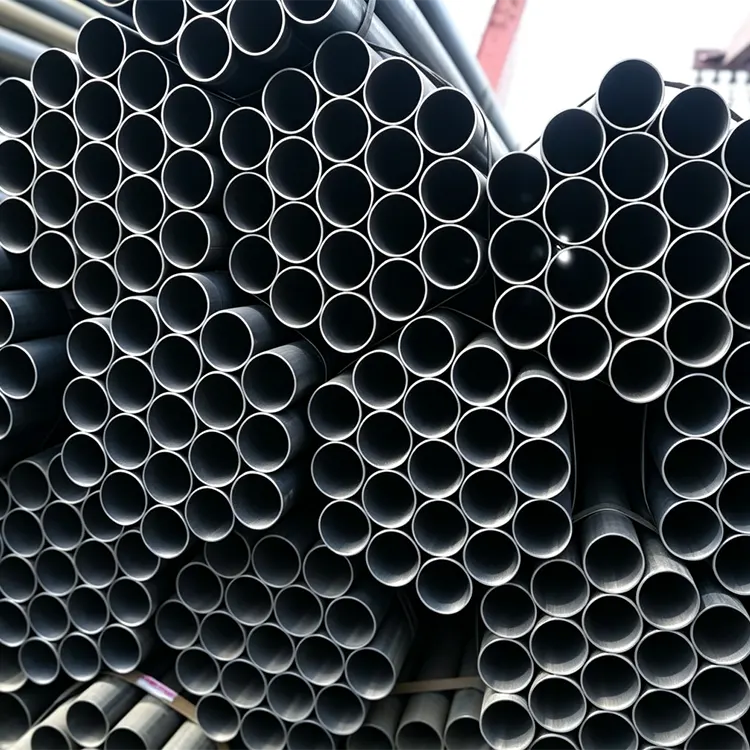
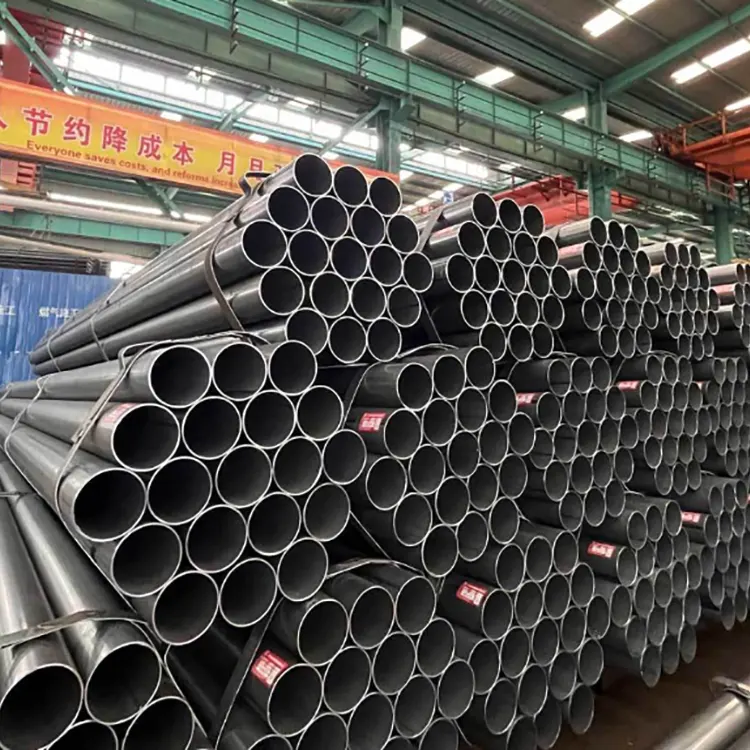
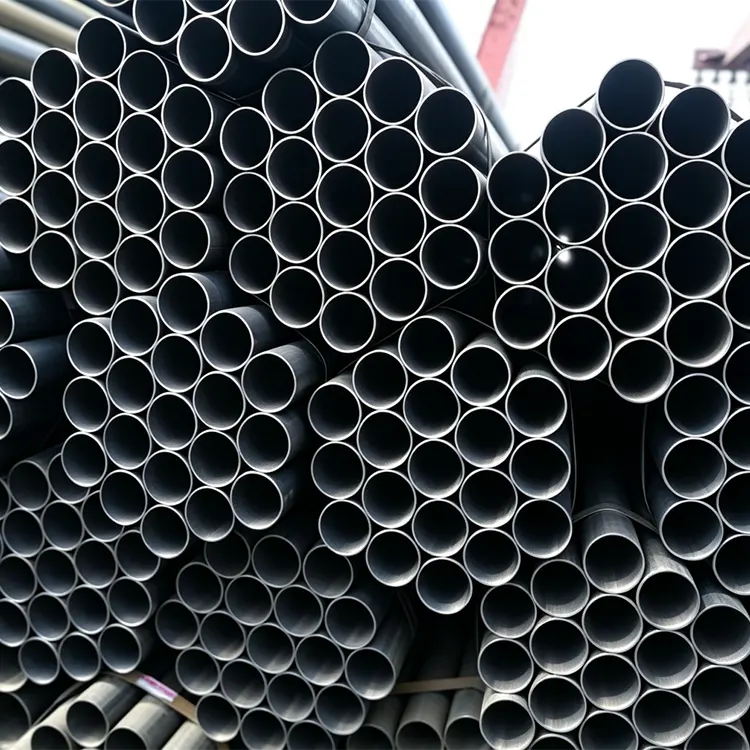
When Xinlida Factory manufactures this Welded Steel Pipe, it uses high-quality hot-rolled steel strips as the base material and forms it through an automated high-frequency resistance welding process. The steel strips are tightly bonded, the forming roundness is standard, the pipe body has high straightness, and the entire pipe is free from distortion, bulging, or misalignment defects. The welding process is concentrated in heat, the forming speed is fast, the heat affected area is minimal, and there are no common process problems such as coarse grain formation or weld cracking. The overall toughness and ductility of the pipe material are unified and stable, making it highly suitable for subsequent secondary processing such as bending, cutting, drilling, threading, and beveling.
The inner and outer walls of the finished pipe are smooth and flat, without oxide scale accumulation or dents and burrs. The inner diameter conforms to the standard. The installation of pipe fittings, flanges, and joints has better sealing performance, effectively avoiding leakage hazards during water transmission and ventilation processes. The mechanical properties of the product are uniform, with stable resistance to pressure, bending, and deformation. Under normal loads, wind pressure, and ground settlement conditions, the structure is less likely to deform, making it suitable for large-scale standardized construction projects.
It can be classified into two major categories based on the usage environment: black-colored original color welded pipes and post-treatment galvanized welded pipes. The original color welded pipes are suitable for indoor dry structures, temporary construction facilities, equipment racks, and interior steel structures; the galvanized-treated welded pipes have undergone surface anti-corrosion strengthening, are resistant to oxidation and water vapor erosion, and can be used for a long time in outdoor scenarios such as open-air, humid, and ventilated areas, significantly reducing the frequency of later maintenance and renovation.
Welded Steel Pipe is suitable for the production of multiple specifications and materials with gradient properties. It covers everything from lightweight decorative pipes to medium and heavy-duty engineering pipes, covering a wide range of general scenarios such as civil engineering, equipment manufacturing, garden railings, steel structure auxiliary materials, pipeline layout, and temporary engineering support. Compared to other steel pipes, high-frequency welded pipes have strong production stability, small specification tolerances, and flexible delivery. They are the preferred material for reducing costs and increasing efficiency in engineering procurement and for standardized construction.
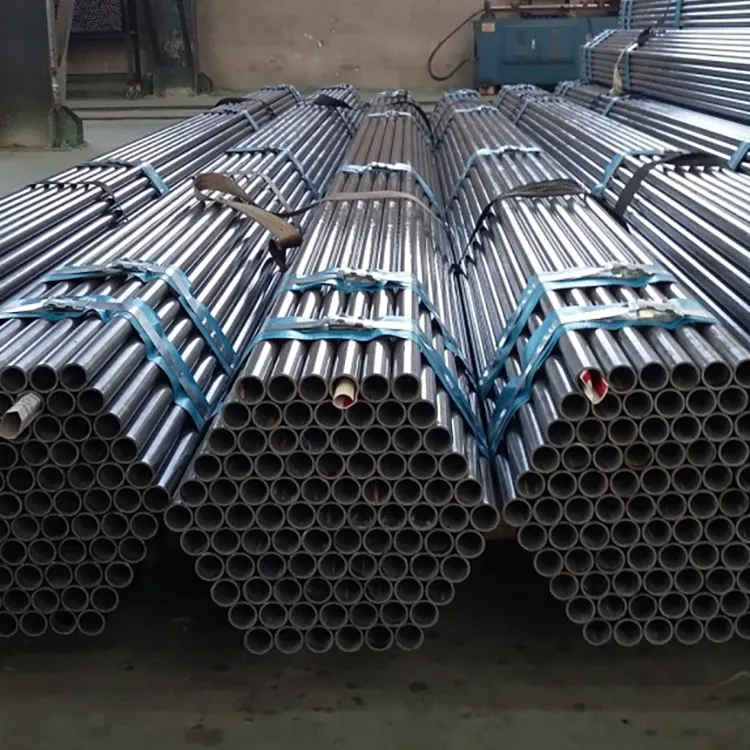
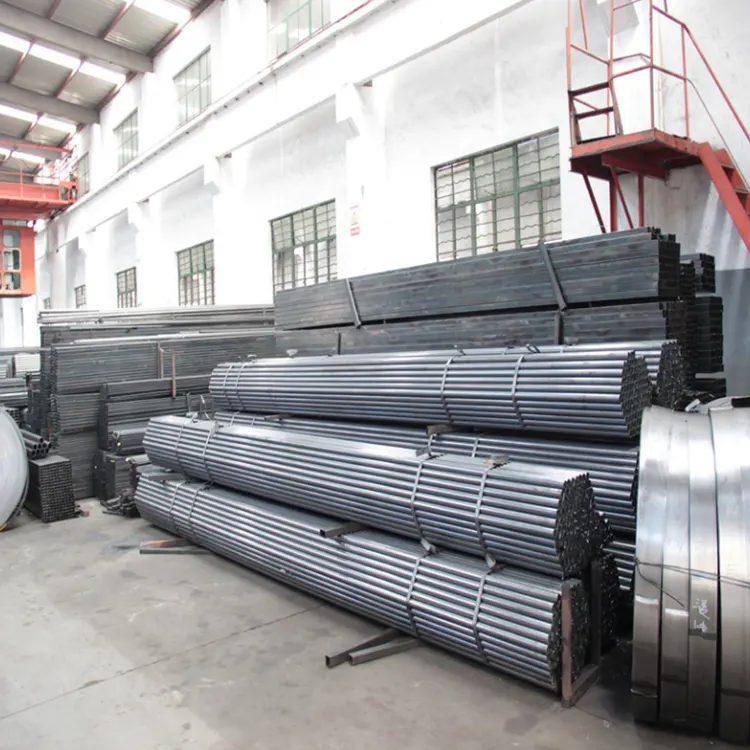
Straight seam high-frequency welded pipe
1. Raw material pre-treatment: steel coil unwinding, flattening, alignment, live loop storage
2. Forming and rolling tube: steel strip is rolled into a circular tube blank by rolling
3. High-frequency welding: edge hot-melt extrusion forming, removing weld spurs
4. Cooling and shaping: water cooling for cooling, sizing, straightening correction of the pipe
5. Online flaw detection: detecting weld voids, cracks, etc. defects
6. Cut to standard length: using a flying saw to cut into the standard length
7. Finished product processing: chamfering, water pressure test, quality inspection marking, packaging
1. Wide steel strip unwinding and flattening, inclined spiral rolling of the tube blank
2. Arc welding of both inner and outer layers
3. Flaw detection, pipe end groove processing, water pressure test
DN nominal diameter + outer diameter + common wall thickness 1. DN15 (4 inches): Φ21.3, wall thickness 2.5/2.75/2.8mm 2. DN20 (6 inches): Φ26.9, wall thickness 2.5/2.75/2.8mm 3. DN25 (1 inch): Φ33.7, wall thickness 2.75/3.0/3.2mm 4. DN32 (1.2 inches): Φ42.4, wall thickness 2.8/3.2/3.5mm 5. DN40 (1.5 inches): Φ48.3, wall thickness 3.0/3.2/3.5mm 6. DN50 (2 inches): Φ60.3, wall thickness 3.0/3.2/3.5mm 7. DN65 (2.5 inches): Φ76.1, wall thickness 3.2/3.5/4.0mm 8. DN80 (3 inches): Φ88.9, wall thickness 3.5/4.0/4.5mm 9. DN100 (4 inches): Φ114.3, wall thickness 3.75/4.0/4.5mm 10. DN150 (6 inches): Φ168.3, wall thickness 4.0/4.5/5.0mm 11. DN200 (8 inches): Φ219.1, wall thickness 4.5/5.0/6.0mm Standard length: 6 meters as the main option, with a small amount of 9/12 meters
Common outer diameter + mainstream wall thickness 1. Φ26.8, Φ33.5: 2.0–3.0mm (furniture, wiring) 2. Φ48 (special for scaffolding): 2.75/3.0/3.2/3.5mm 3. Φ60, Φ76, Φ89: 2.5–4.0mm (greenhouses, columns) 4. Φ114, Φ140, Φ165: 3.5–6.0mm (steel structure supports) 5. Φ219–Φ630: 4–10mm (large pile foundations, steel structures)
1. Main external diameter: Φ219, Φ273, Φ325, Φ426, Φ529, Φ630, Φ720, Φ820, Φ1020, Φ1220, Φ1420, Φ1620
2. Regular wall thickness: 4–14mm, commonly used in engineering 6/8/10/12mm
3. Length: 6m, 12m, standard for large diameter 3PE anti-corrosion coating
1. Verify the material specifications for incoming steel strips, conduct thickness and mechanical property inspections, and eliminate warped, layered, and rusted defective materials;
2. Conduct flaw detection on steel strip butt welding to prevent potential hazards caused by welding seams in the finished products.
1. Regularly calibrate forming rollers to control the alignment of the steel strips, and prevent misalignment, overlapping, and uneven gaps between pipe blanks;
2. Monitor the forming arc to avoid pipe wall wrinkles, bulges, and excessive ellipticity.
1. Maintain stable high-frequency current, extrusion roller pressure, and welding speed to ensure full weld fusion, without voids, slag inclusion, or cold welding;
2. Standardize the scraping process for internal and external weld beads, ensuring no scratches on the base material and no residual weld spurs;
3. Strictly control the welding wire and flux for spiral pipes, monitor the penetration depth, and ensure complete internal and external weld passes without air holes or cracks.
1. Regularly calibrate the sizing unit to control the outer diameter and wall thickness tolerances;
2. Perform online straightening to eliminate pipe bending and twisting, ensuring straightness compliance;
3. Regularly calibrate the fly saw to ensure the standard deviation of the fixed length is within the range.
1. Equip the entire line with eddy current/ultrasonic flaw detection, conduct real-time detection of weld cracks, incomplete fusion, and pores, and automatically mark the non-conforming sections;
2. Regularly calibrate the flaw detection equipment to avoid missed detections and misjudgments.
1. Conduct water pressure tests on each pipe for fluid use, maintaining the standard pressure, and checking for leaks or weld cracks;
2. Increase the static water pressure duration for high-pressure pipelines, and strictly follow the test specifications for spiral large-diameter pipes.
1. Uniformly process flat heads and chamfers, ensuring no burrs, notches, or deformations at the pipe ends;
2. Conduct a comprehensive manual inspection of the surface: sorting out and isolating scratches, rust, indentations, and weld bead defects.
1. Strictly control the acid washing, zinc temperature, and coating thickness in the galvanizing/anti-corrosion process, ensuring no missed coating, peeling;
2. Take samples from the finished products for tensile, compression, and bending mechanical tests, rechecking the material properties;
3. Clearly mark the labels, classify and pack, retain quality inspection records, and achieve product traceability.
1. Regularly inspect, calibrate, and maintain forming rollers, welding machines, and flaw detection instruments;
2. Operators hold certificates and conduct regular process parameter inspections, stopping the machine immediately and adjusting when abnormalities occur.
Address
S213 Jinghai District, Tianjin City, China
Tel